Chapter 3
Āndāl praising the Lord and asking for eternal service (அன்று இவ் உலகம்)
இறுதி இலக்கு: கைங்கர்ய சேவை
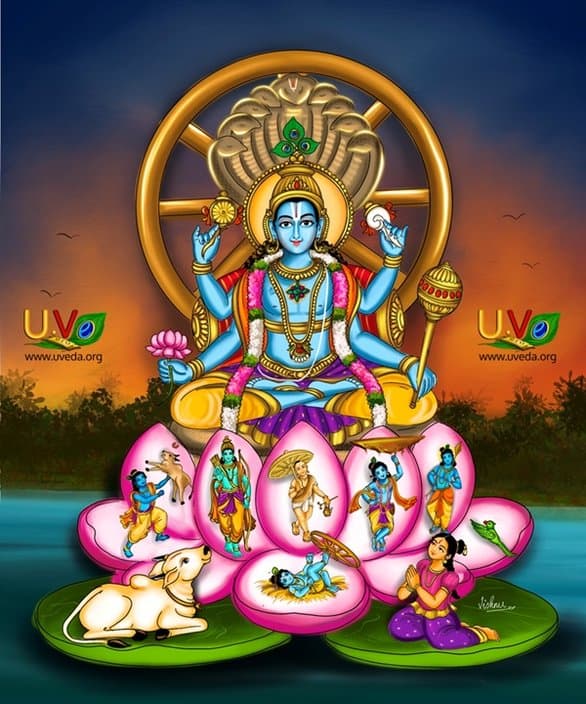
This final, distinct chapter shifts focus entirely from the physical act of waking to the spiritual act of petition. Having achieved the Lord's audience, the Gopis no longer need to beg Him to wake up. Pasurams 24–28 are devoted entirely to Praise (Maṅgalaśāsanam), extolling the Lord's beauty, valor, and deeds. The climax arrives in Pasuram 29 (Ciṟṟam
இந்த இறுதிப் பிரிவு, இறைவனிடம் எதனைக் கேட்க வேண்டும் என்ற நோக்கத்தை மட்டுமே வலியுறுத்துகிறது. இறைவனின் திருமுன் வந்துவிட்டதால், இனி அவரை எழுப்ப வேண்டிய அவசியம் இல்லை. பாசுரங்கள் 24–28 வரை அவருடைய அழகு, வீரம், நற்குணங்கள் ஆகியவற்றைப் பாடி மங்களாசாசனம் செய்கிறார்கள். இந்தப் பதிகத்தின்
Verses: 24 to 30
Grammar: Eṭṭadi Nārsīrovi Karppaka Kocchakakkalippā / எட்டடி நார்சீரொவி கற்பக கொச்சகக் கலிப்பா
Recital benefits: Will receive the grace of the Lord and live happy
Tamil
Simplified
English
Verse info
Synonyms
Translation
TP 3.24
497 அன்றிவ்வுலகமளந்தாய்! அடிபோற்றி *
சென்றங்குத்தென்லிங்கைசெற்றாய்! திறல்போற்றி *
பொன்றச்சகடமுதைத்தாய்! புகழ்போற்றி *
கன்றுகுணிலாஎறிந்தாய்! கழல்போற்றி *
குன்றுகுடையாவெடுத்தாய்! குணம்போற்றி *
வென்றுபகைகெடுக்கும் நின்கையில்வேல்போற்றி *
என்றென்றுன்சேவகமே ஏத்திப்பறைகொள்வான் *
இன்றுயாம்வந்தோம் இரங்கேலோரெம்பாவாய். (2)
சென்றங்குத்தென்லிங்கைசெற்றாய்! திறல்போற்றி *
பொன்றச்சகடமுதைத்தாய்! புகழ்போற்றி *
கன்றுகுணிலாஎறிந்தாய்! கழல்போற்றி *
குன்றுகுடையாவெடுத்தாய்! குணம்போற்றி *
வென்றுபகைகெடுக்கும் நின்கையில்வேல்போற்றி *
என்றென்றுன்சேவகமே ஏத்திப்பறைகொள்வான் *
இன்றுயாம்வந்தோம் இரங்கேலோரெம்பாவாய். (2)
497 ## அன்று இவ் உலகம் அளந்தாய் ! * அடி போற்றி *
சென்று அங்குத் தென்னிலங்கை செற்றாய் திறல் போற்றி *
பொன்றச் சகடம் உதைத்தாய் ! புகழ் போற்றி *
கன்று குணிலா எறிந்தாய் ! கழல் போற்றி **
குன்று குடையா எடுத்தாய் ! * குணம் போற்றி *
வென்று பகை கெடுக்கும் நின்கையில் வேல் போற்றி *
என்று என்று உன் சேவகமே ஏத்திப் பறை கொள்வான் *
இன்று யாம் வந்தோம் இரங்கு ஏலோர் எம்பாவாய் (24)
சென்று அங்குத் தென்னிலங்கை செற்றாய் திறல் போற்றி *
பொன்றச் சகடம் உதைத்தாய் ! புகழ் போற்றி *
கன்று குணிலா எறிந்தாய் ! கழல் போற்றி **
குன்று குடையா எடுத்தாய் ! * குணம் போற்றி *
வென்று பகை கெடுக்கும் நின்கையில் வேல் போற்றி *
என்று என்று உன் சேவகமே ஏத்திப் பறை கொள்வான் *
இன்று யாம் வந்தோம் இரங்கு ஏலோர் எம்பாவாய் (24)
497 ## aṉṟu iv ulakam al̤antāy ! * aṭi poṟṟi *
cĕṉṟu aṅkut tĕṉṉilaṅkai cĕṟṟāy tiṟal poṟṟi *
pŏṉṟac cakaṭam utaittāy ! pukaḻ poṟṟi *
kaṉṟu kuṇilā ĕṟintāy ! kaḻal poṟṟi **
kuṉṟu kuṭaiyā ĕṭuttāy ! * kuṇam poṟṟi *
vĕṉṟu pakai kĕṭukkum niṉkaiyil vel poṟṟi *
ĕṉṟu ĕṉṟu uṉ cevakame ettip paṟai kŏl̤vāṉ *
iṉṟu yām vantom iraṅku-elor ĕmpāvāy (24)
cĕṉṟu aṅkut tĕṉṉilaṅkai cĕṟṟāy tiṟal poṟṟi *
pŏṉṟac cakaṭam utaittāy ! pukaḻ poṟṟi *
kaṉṟu kuṇilā ĕṟintāy ! kaḻal poṟṟi **
kuṉṟu kuṭaiyā ĕṭuttāy ! * kuṇam poṟṟi *
vĕṉṟu pakai kĕṭukkum niṉkaiyil vel poṟṟi *
ĕṉṟu ĕṉṟu uṉ cevakame ettip paṟai kŏl̤vāṉ *
iṉṟu yām vantom iraṅku-elor ĕmpāvāy (24)
Ragam
Biyāgadai / பியாகடை
Thalam
Ādi / ஆதி
Bhavam
Nāyaki (lovelorn lady)
Simple Translation
497. O! ThrvikRaman!“ Once You rose high and measured the world.
We praise your feet.
You went to southern Lankā as Rāma and killed the Rakshasās.
We praise your strength.
You destroyed Sakatāsuran when he came as a cart.
We praise your fame.
When Vathsāsuran came as a calf you threw him
at Kabithāsuran who had taken the form of a wood apple tree
and killed them both. We worship your ankleted feet.
You carried Govardhanā mountain to save the cows.
We praise your compassion.
We praise the spear in Your hands that conquers Your enemies.
We want to serve You always and have come today to receive
the Parai. Give us your grace.
We are going to worship our Pāvai.
Word by Word (WBW) meaning
(The words may be rearranged to facilitate conversion from poetry to prose (Aṉvayam). Please read the meanings (in black) continuously to form the sentence and understand the simplified meaning based on the Divyārtha Dīpikai for the verse.)
அன்று இவ்வுலகம் — முன்னொரு சமயம் இவ்வுலகங்களை; அளந்தாய்! — அளந்தவனே!; அடிபோற்றி — நின் திருவடிகள் வாழ்க!; சென்று அங்கு — அங்கு சென்று; தென்னிலங்கை — இலங்கையை; செற்றாய்! — அழித்தவனே!; திறல் போற்றி! — உன் பலம் வாழ்க!; பொன்ற சகடம் — சகடாசுரன் அழிந்திட; உதைத்தாய் — உதைத்தாய்!; புகழ் போற்றி! — உன் புகழ் வாழ்க!; கன்று — கன்றுருவில் வந்த அசுரனை; குணிலா — தடி மாதிரி; எறிந்தாய்! — வீசி அழித்தாய்!; கழல் போற்றி! — நின் திருவடி வாழ்க!; குன்று — கோவர்த்தனகிரியை; குடையாய் — குடையாக; எடுத்தாய்! — தூக்கினாய்; குணம் போற்றி! — உன் குணம் வாழ்க!; வென்று பகை — பகைவர்களை ஜெயித்து; கெடுக்கும் — அவர்களை அழிக்கும்; நின்கையில் — உன் கையிலுள்ள; வேல்போற்றி! — வேல் வாழ்க; என்று என்று — என்றிப்படிப் பலவாறாக; உன் சேவகமே — உன்னுடைய வீர்யங்களையே; ஏத்தி — புகழ்ந்து பாடி; பறை கொள்வான் — பறை பெறுவதற்காக; இன்று யாம் வந்தோம் — இன்று நாங்கள் வந்தோம்; இரங்கு — கிருபை செய்வாயாக!; ஏலோர் எம்பாவாய் — பெண்களே பாவை நோன்பு நோற்க வாரீர்!
anṛu — long ago that time (when indhiran and others suffered due to mahābali); al̤andhāi ivvulagam — ŏh you who measured these worlds! (with two steps); adi — (those) divine feet (of yours); pŏṝi — shall live for many years and more years (pallāṇdu pallāṇdu);; angu — in the place where rāvaṇan lived; senṛu — (you) went (எழுந்தருளி); cheṝāi then ilangai — ŏh you who destroyed the lanka of the south! (which is his country); thiṛal — (your) strength; pŏṝi — shall live for many years;; chakatam — chakatāsuran; udhaiththāi chakatam ponṛa — ŏh you, who kicked that chakatam (chakatāsuran) and destroyed!; pugazh — (your) valor; pŏṝi — shall live for a long time;; kanṛu — vathsāsuran who stood as a calf; kuṇilā — was used as a throwing staff (pole),; eṛindhāi — ŏh you who threw (at the asura who took the form of a fruit (vil̤ānkani / விளாங்கனி) (எறிந்தருளியவனே!); kazhal — your thiruvadi (lotus feet which stood ground); pŏṝi — shall live for a long time;; eduththāi — ŏh you who lifted; kunṛu — gŏvardhana mountain; kudaiyā — as an umbrella / shelter!; guṇam — your characteristics (like sauseelyam, etc.,); pŏṝi — should stay for years together;; nin kaiyil vĕl — the spear in your hands; venṛu — that won (the enemies); pagai kedukkum — and destroyed them (the opposition); pŏṝi — should live for a long time;; enṛu enṛu — ṣo doing such mangal̤āsāsanam several times,; ĕththi — to praise / sthŏthram; un sĕvagamĕ — about only your strength/valor,; yām — we; vandhŏm — came and reached; ingu/inṛu — this place / today; paṛai kol̤vān — to get paṛai (instrument (mŏksham)); irangu — please show compassion (to help us).
TP 3.25
498 ஒருத்திமகனாய்ப்பிறந்து * ஓரிரவில்
ஒருத்திமகனாய் ஒளித்துவளர *
தரிக்கிலானாகித் தான்தீங்குநினைந்த *
கருத்தைப்பிழைப்பித்துக் கஞ்சன்வயிற்றில் *
நெருப்பென்னநின்ற நெடுமாலே! * உன்னை
அருத்தித்துவந்தோம் பறைதருதியாகில் *
திருத்தக்கசெல்வமும் சேவகமும்யாம்பாடி *
வருத்தமும்தீர்ந்து மகிழ்ந்தேலோரெம்பாவாய்.
ஒருத்திமகனாய் ஒளித்துவளர *
தரிக்கிலானாகித் தான்தீங்குநினைந்த *
கருத்தைப்பிழைப்பித்துக் கஞ்சன்வயிற்றில் *
நெருப்பென்னநின்ற நெடுமாலே! * உன்னை
அருத்தித்துவந்தோம் பறைதருதியாகில் *
திருத்தக்கசெல்வமும் சேவகமும்யாம்பாடி *
வருத்தமும்தீர்ந்து மகிழ்ந்தேலோரெம்பாவாய்.
498 ஒருத்தி மகனாய்ப் பிறந்து * ஓர் இரவில்
ஒருத்தி மகனாய் ஒளித்து வளர *
தரிக்கிலான் ஆகித் தான் தீங்கு நினைந்த *
கருத்தைப் பிழைப்பித்துக் கஞ்சன் வயிற்றில் **
நெருப்பு என்ன நின்ற நெடுமாலே ! * உன்னை
அருத்தித்து வந்தோம் பறை தருதி யாகில் *
திருத் தக்க செல்வமும் சேவகமும் யாம் பாடி *
வருத்தமும் தீர்ந்து மகிழ்ந்து ஏலோர் எம்பாவாய் (25)
ஒருத்தி மகனாய் ஒளித்து வளர *
தரிக்கிலான் ஆகித் தான் தீங்கு நினைந்த *
கருத்தைப் பிழைப்பித்துக் கஞ்சன் வயிற்றில் **
நெருப்பு என்ன நின்ற நெடுமாலே ! * உன்னை
அருத்தித்து வந்தோம் பறை தருதி யாகில் *
திருத் தக்க செல்வமும் சேவகமும் யாம் பாடி *
வருத்தமும் தீர்ந்து மகிழ்ந்து ஏலோர் எம்பாவாய் (25)
498 ŏrutti makaṉāyp piṟantu * or iravil
ŏrutti makaṉāy ŏl̤ittu val̤ara *
tarikkilāṉ ākit tāṉ tīṅku niṉainta *
karuttaip piḻaippittuk kañcaṉ vayiṟṟil **
nĕruppu ĕṉṉa niṉṟa nĕṭumāle ! * uṉṉai
aruttittu vantom paṟai taruti yākil *
tirut takka cĕlvamum cevakamum yām pāṭi *
varuttamum tīrntu makiḻntu-elor ĕmpāvāy (25)
ŏrutti makaṉāy ŏl̤ittu val̤ara *
tarikkilāṉ ākit tāṉ tīṅku niṉainta *
karuttaip piḻaippittuk kañcaṉ vayiṟṟil **
nĕruppu ĕṉṉa niṉṟa nĕṭumāle ! * uṉṉai
aruttittu vantom paṟai taruti yākil *
tirut takka cĕlvamum cevakamum yām pāṭi *
varuttamum tīrntu makiḻntu-elor ĕmpāvāy (25)
Ragam
Shankarābharaṇa / சங்கராபரண
Thalam
Ādi / ஆதி
Bhavam
Nāyaki (lovelorn lady)
Simple Translation
498. You were born to Devaki on a divine night and raised
by Yashodā quite secretively.
O! great God! You were like a burning fire in Kamsan’s stomach
who always thought of giving You trouble.
Kamsan always wanted to hurt You
but You fought with him and killed him.
O Nedumāl! We worship You and have come here to You.
If You give us the Parai, we will sing and praise your wealth
and grace and our sorrows will go away and we will be happy.
We are going to worship our Pāvai.
Word by Word (WBW) meaning
(The words may be rearranged to facilitate conversion from poetry to prose (Aṉvayam). Please read the meanings (in black) continuously to form the sentence and understand the simplified meaning based on the Divyārtha Dīpikai for the verse.)
ஒருத்தி மகனாய் — தேவகிக்கு மகனாக; பிறந்து — பிறந்து; ஓர் இரவில் — அந்த ஒப்பற்ற இரவிலேயே; ஒருத்தி — யசோதையினுடைய; மகனாய் — பிள்ளையாய்; ஒளித்து — ஒளிந்திருந்து; வளர — வளர துவங்கிய அதிசயத்தை; தரிக்கிலான் ஆகி — பொறுக்காதவனாய்; தான் — தானே; தீங்கு நினைந்த — கெடுதலை நினைத்த; கஞ்சன் — கம்சனுடைய; கருத்தை — எண்ணத்தை; பிழைப்பித்து — வீணாக்கி; வயிற்றில் — அவன் வயிற்றில் நெருப்பாக நின்ற; நெடுமாலே! — எம்பெருமானே!; உன்னை — உன்னிடத்தில்; அருத்தித்து வந்தோம் — யாசித்து வந்தோம்; பறை — எங்கள் விருப்பத்தை; தருதியாகில் — தருவாயாகில்; திருத்தக்க — பிராட்டிக்கு உகந்த; செல்வமும் — செல்வத்தையும்; சேவகமும் — உன் வீர்ய குணத்தையும்; யாம் பாடி — நாங்கள் பாடி; வருத்தமும் — உன்னைப் பிரிந்திருக்கிற துயரம்; தீர்ந்து — நீங்கி; மகிழ்ந்து — மகிழ்ந்திடுவோம்; ஏலோர் எம்பாவாய் — பெண்களே பாவை நோன்பு நோற்க வாரீர்!
oruththi — for the one woman who is dhĕvaki pirātti,; piṛandhu — (you were) born; magan āi — as a son;; ŏr iravil — on the same unmatched night itself; magan āi — (you) become a son; oruththi — for the one mother who is yasŏdhai pirātti; ol̤iththu val̤ara — (and as you were) growing in hiding,; thān — (kamsan) himself; dharikkilān āgi — could not tolerate (even your growing in hiding); thīngu ninaindha — (his) thoughts of bad deed (of killing); pizhaippiththu — (you) wasted/nullified; kanjan — kamsans; karuththai — thoughts; neruppu enna ninṛa — (and you) bothered (him) like a fire; vayiṝil — (in his) stomach;; nedumālĕ — ŏh you who loves his devotees; aruththiththu vandhŏm — came begging; unnai — from you (for our needs);; paṛai tharudhi āgil — if you would satisfy our wishes; yām pādi — we would be able to sing; thiruththakka selvamum — (about) your wealth (which pirātti also would love); sĕvagamum — and about your valor; varuththamum thīrndhu — (and our) sorrows (of separation from you) would end; magizhndhu — (and we) would become joyous.
TP 3.26
499 மாலே! மணிவண்ணா! மார்கழிநீராடுவான் *
மேலையார் செய்வனகள் வேண்டுவனகேட்டியேல் *
ஞாலத்தையெல்லாம் நடுங்கமுரல்வன *
பாலன்னவண்ணத்து உன்பாஞ்சசன்னியமே *
போல்வனசங்கங்கள் போய்ப்பாடுடையனவே *
சாலப்பெரும்பறையே பல்லாண்டிசைப்பாரே *
கோலவிளக்கே கொடியேவிதானமே *
ஆலினிலையாய்! அருளேலோரெம்பாவாய்.
மேலையார் செய்வனகள் வேண்டுவனகேட்டியேல் *
ஞாலத்தையெல்லாம் நடுங்கமுரல்வன *
பாலன்னவண்ணத்து உன்பாஞ்சசன்னியமே *
போல்வனசங்கங்கள் போய்ப்பாடுடையனவே *
சாலப்பெரும்பறையே பல்லாண்டிசைப்பாரே *
கோலவிளக்கே கொடியேவிதானமே *
ஆலினிலையாய்! அருளேலோரெம்பாவாய்.
499 மாலே மணிவண்ணா ! * மார்கழி நீர் ஆடுவான் *
மேலையார் செய்வனகள் வேண்டுவன கேட்டியேல் *
ஞாலத்தை எல்லாம் நடுங்க முரல்வன *
பால் அன்ன வண்ணத்து உன் பாஞ்சசன்னியமே **
போல்வன சங்கங்கள் * போய்ப்பாடு உடையனவே *
சாலப் பெரும் பறையே பல்லாண்டு இசைப்பாரே *
கோல விளக்கே கொடியே விதானமே *
ஆலின் இலையாய் ! அருள் ஏலோர் எம்பாவாய் (26)
மேலையார் செய்வனகள் வேண்டுவன கேட்டியேல் *
ஞாலத்தை எல்லாம் நடுங்க முரல்வன *
பால் அன்ன வண்ணத்து உன் பாஞ்சசன்னியமே **
போல்வன சங்கங்கள் * போய்ப்பாடு உடையனவே *
சாலப் பெரும் பறையே பல்லாண்டு இசைப்பாரே *
கோல விளக்கே கொடியே விதானமே *
ஆலின் இலையாய் ! அருள் ஏலோர் எம்பாவாய் (26)
499 māle maṇivaṇṇā ! * mārkaḻi nīr āṭuvāṉ *
melaiyār cĕyvaṉakal̤ veṇṭuvaṉa keṭṭiyel *
ñālattai ĕllām naṭuṅka muralvaṉa *
pāl aṉṉa vaṇṇattu uṉ pāñcacaṉṉiyame **
polvaṉa caṅkaṅkal̤ * poyppāṭu uṭaiyaṉave *
cālap pĕrum paṟaiye pallāṇṭu icaippāre *
kola vil̤akke kŏṭiye vitāṉame *
āliṉ ilaiyāy ! arul̤-elor ĕmpāvāy (26)
melaiyār cĕyvaṉakal̤ veṇṭuvaṉa keṭṭiyel *
ñālattai ĕllām naṭuṅka muralvaṉa *
pāl aṉṉa vaṇṇattu uṉ pāñcacaṉṉiyame **
polvaṉa caṅkaṅkal̤ * poyppāṭu uṭaiyaṉave *
cālap pĕrum paṟaiye pallāṇṭu icaippāre *
kola vil̤akke kŏṭiye vitāṉame *
āliṉ ilaiyāy ! arul̤-elor ĕmpāvāy (26)
Ragam
Ārabi / ஆரபி
Thalam
Ādi / ஆதி
Bhavam
Nāyaki (lovelorn lady)
Simple Translation
499. The girls ask God for the things that they need for their
nombu and say,
“O Lord beautiful as a sapphire,
We shall tell You the principles our ancestors followed for
nonbu.
Hear us! Give us the things we need for our nombu.
We want You to give us white, milk-colored conches
that will roar and shake the earth like your conch, the
Pānchajanyam big drums(Parais) and devotees who hail You
and sing Your praise.
Give us beautiful lamps, flags and roofed places
O Krishna! You sleep on the banyan leaf as an infant during
deluge.
Give us your grace.
We are going to worship our Pāvai.
Word by Word (WBW) meaning
(The words may be rearranged to facilitate conversion from poetry to prose (Aṉvayam). Please read the meanings (in black) continuously to form the sentence and understand the simplified meaning based on the Divyārtha Dīpikai for the verse.)
மாலே! — பக்தர்களுக்கு அன்பனே; மணிவண்ணா! — நீலமணி போன்றவனே!; ஆலின் இலையாய்! — ஆலந்தளிரில் பள்ளி கொண்டவனே!; மார்கழி — மார்கழி; நீராடுவான் — நீராட்டத்திற்காக; மேலையார் — முன்னோர்கள்; செய்வனகள் — அநுஷ்டிக்கும் முறைகளில்; வேண்டுவன — உபகரணங்களை; கேட்டியேல் — கேட்டால் அவைகளைச் சொல்லுகிறோம்; ஞாலத்தை எல்லாம் — பூமி முழுதும்; நடுங்க — நடுங்கும்படி; முரல்வன — ஒலிக்கக்கூடிய; பால் அன்ன — பால் போன்ற; வண்ணத்து — நிறமுடையதான; பாஞ்சசன்னியமே — பாஞ்சசன்னியம் போன்ற; போல்வன — சங்கங்களையும்; போய்ப்பாடு உடையனவே — மிகவும் அகன்ற பெரிய; சாலப் பெரும் பறையே — பறைகளையும்; பல்லாண்டு — திருப்பல்லாண்டு; இசைப்பாரே — பாடுபவர்களையும்; கோல விளக்கே — மங்கள தீபங்களையும்; கொடியே — துவஜங்களையும்; விதானமே — விதானமும் மேற் கூறைகளும்; அருள் — அருள வேண்டும்; ஏலோர் எம்பாவாய் — பெண்களே பாவை நோன்பு நோற்க வாரீர்!
mālĕ — ŏh you who is loving (of your devotees)!; maṇi vaṇṇā — having color like a blue diamond!; ālin ilaiyāy — (during pral̤ayam) slept in a new banyan leaf!; kĕttiyĕl — if you inquire about the; vĕṇduvana — needed items; seivanagal̤ — for actions done; mĕlaiyār — by preceptors / earlier generations; mārgazhi nīrāduvān — for bathing/nŏnbu of mārgazhi; (we list those items) — .; sangangal̤ — conches; pāl anna vaṇṇaththu un pāncha channiyamĕ pŏlvana — like your pāncha janyam (conch) that is white in color like milk; muralvana — which can sound (such that); gyālaththai ellām — whole of the world; nadunga — (would) vibrate/be scared;; paṛai — paṛai instrument (drum); pŏi pādu udaiyana — with enough space; sāla peru — (and) very big;; pallāṇdu isaippār — people who sing thiruppallāṇdu;; kŏlam vil̤akku — (lamps) auspicious mangal̤a dhīpam,; kodi — dhvajams (flags),; vidhānam — clothes (covering us) above;; arul̤ — kindly give them.
TP 3.27
500 கூடாரைவெல்லும்சீர் கோவிந்தா! * உன்தன்னைப்
பாடிப்பறைகொண்டு யாம்பெறும்சம்மானம் *
நாடுபுகழும் பரிசினால்நன்றாக *
சூடகமேதோள்வளையே தோடேசெவிப்பூவே *
பாடகமேயென்றனைய பல்கலனும்யாமணிவோம் *
ஆடையுடுப்போம் அதன்பின்னேபாற்சோறு *
மூடநெய்பெய்து முழங்கைவழிவார *
கூடியிருந்து குளிர்ந்தேலோரெம்பாவாய். (2)
பாடிப்பறைகொண்டு யாம்பெறும்சம்மானம் *
நாடுபுகழும் பரிசினால்நன்றாக *
சூடகமேதோள்வளையே தோடேசெவிப்பூவே *
பாடகமேயென்றனைய பல்கலனும்யாமணிவோம் *
ஆடையுடுப்போம் அதன்பின்னேபாற்சோறு *
மூடநெய்பெய்து முழங்கைவழிவார *
கூடியிருந்து குளிர்ந்தேலோரெம்பாவாய். (2)
500 ## கூடாரை வெல்லும் சீர்க் * கோவிந்தா ! உன்தன்னைப்
பாடிப் பறைகொண்டு யாம் பெறு சம்மானம் *
நாடு புகழும் பரிசினால் நன்றாக *
சூடகமே தோள்வளையே தோடே செவிப் பூவே **
பாடகமே என்று அனைய பல் கலனும் யாம் அணிவோம் *
ஆடை உடுப்போம் அதன் பின்னே பால் சோறு *
மூட நெய் பெய்து முழங்கை வழிவார *
கூடியிருந்து குளிர்ந்து ஏலோர் எம்பாவாய் (27)
பாடிப் பறைகொண்டு யாம் பெறு சம்மானம் *
நாடு புகழும் பரிசினால் நன்றாக *
சூடகமே தோள்வளையே தோடே செவிப் பூவே **
பாடகமே என்று அனைய பல் கலனும் யாம் அணிவோம் *
ஆடை உடுப்போம் அதன் பின்னே பால் சோறு *
மூட நெய் பெய்து முழங்கை வழிவார *
கூடியிருந்து குளிர்ந்து ஏலோர் எம்பாவாய் (27)
500 ## kūṭārai vĕllum cīrk * kovintā ! uṉtaṉṉaip
pāṭip paṟaikŏṇṭu yām pĕṟu cammāṉam *
nāṭu pukaḻum pariciṉāl naṉṟāka *
cūṭakame tol̤val̤aiye toṭe cĕvip pūve **
pāṭakame ĕṉṟu aṉaiya pal kalaṉum yām aṇivom *
āṭai uṭuppom ataṉ piṉṉe pāl coṟu *
mūṭa nĕy pĕytu muḻaṅkai vaḻivāra *
kūṭiyiruntu kul̤irntu-elor ĕmpāvāy (27)
pāṭip paṟaikŏṇṭu yām pĕṟu cammāṉam *
nāṭu pukaḻum pariciṉāl naṉṟāka *
cūṭakame tol̤val̤aiye toṭe cĕvip pūve **
pāṭakame ĕṉṟu aṉaiya pal kalaṉum yām aṇivom *
āṭai uṭuppom ataṉ piṉṉe pāl coṟu *
mūṭa nĕy pĕytu muḻaṅkai vaḻivāra *
kūṭiyiruntu kul̤irntu-elor ĕmpāvāy (27)
Ragam
Ānandabhairavi / ஆனந்தபைரவி
Thalam
Ādi / ஆதி
Bhavam
Nāyaki (lovelorn lady)
Simple Translation
500. The girls, coming to ask for Parais, ornaments and clothes, say,
“O Govindā, conqueror of Your enemies,
we wish to receive a Parai from You and praise You.
We want many gifts — bracelets, earrings, anklets
and other ornaments that everyone desires
and we will be happy to wear them.
Wearing beautiful clothes,
we will join together and eat rice with milk, pouring ghee in it,
and as we eat, the ghee will drip from our elbows.
We are going to worship our Pāvai.
Word by Word (WBW) meaning
(The words may be rearranged to facilitate conversion from poetry to prose (Aṉvayam). Please read the meanings (in black) continuously to form the sentence and understand the simplified meaning based on the Divyārtha Dīpikai for the verse.)
கூடாரை — அடிபணியாதவரை; வெல்லும் — வெல்கின்ற; சீர்க் கோவிந்தா! — குணமுடைய கோவிந்தா!; உந்தன்னைப் பாடிப் — உன்னைப் பாடி; பறை — உன்னிடத்திலிருந்து பறையை; கொண்டு — பெற்று; யாம் பெறும் — நாங்கள் பெறும்; சம்மானம் — பரிசானது; நாடு புகழும் — நாட்டார் புகழும்படியாக இருக்கவேண்டும்; பரிசினால் — பரிசுப்பொருள்களான; நன்றாகச் சூடகமே — நல்ல அணிகலனான சூடகம்; தோள் வளையே — தோள்வளை; தோடே செவிப் பூவே — தோடு காதணி; பாடகமே என்றனைய — பாத கடகம் என; பல்கலனும் — பல ஆபரணங்களையும்; யாம் — நாங்கள் நன்றாக; அணிவோம் — அணிவோம்; ஆடை — நல்ல ஆடைகளை; உடுப்போம் — அணிவோம்; அதன் பின்னே — அதற்குப் பின்பு; பாற் சோறு — பாற் சோறு; மூட — மறையும்படியாக; நெய் பெய்து — நெய் சேர்த்து; முழங்கை வழிவாரக் — அது முழங்கையில் வழிய; கூடி இருந்து — நாம் கூடி உண்டு; குளிர்ந்து — குளிர வேண்டும்; ஏலோர் எம்பாவாய் — பெண்களே பாவை நோன்பு நோற்க வாரீர்!
vellum sīr — having the guṇam of winning; kūdārai — those who are opposed,; gŏvindhā — ŏh gŏvindha!; pādi — (we would) sing (till we are content); un thannai — about you,; paṛai koṇdu — and receive paṛai (instrument); yām peru sammānam — and the price we are going to get is; nādu pugazhum parisināl — that the villagers would appreciate/celebrate us,; yām nanṛāga aṇivŏm — we would wear (the ornaments) very well (as we are decorated with them by you and nappinnai pirātti), (ornaments such as); chūdagam — ornament for the arms; thŏl̤ val̤ai — ornament for the shoulders; thŏdu — ornament for the ears; sevip pū — ornament for the upper part of ears; pādagam — (pādha kadagam) ornament for the legs; enṛu anaiya pal kalanum — and more such ornaments;; adhan pinnĕ — after that,; pāl sŏṛu — rice (in the) food made with milk; mūda — (which) would not be visible (due to); nei peidhu — (lots of) ghee added,; muzhangai vazhi vāra — such that it would drip through the elbows,; kūdi irundhu — (we would) be together (and eat that); kul̤irndhu — and be happy.
TP 3.28
501 கறவைகள்பின்சென்று கானம்சேர்ந்துண்போம் *
அறிவொன்றுமில்லாத ஆய்க்குலத்து * உன்தன்னைப்
பிறவிபெறுந்தனைப் புண்ணியம்யாமுடையோம் *
குறைவொன்றுமில்லாத கோவிந்தா! * உன்தன்னோடு
உறவேல்நமக்கு இங்கொழிக்கவொழியாது *
அறியாதபிள்ளைகளோம் அன்பினால் * உன்தன்னை
சிறுபேரழைத்தனவும் சீறியருளாதே *
இறைவா! நீதாராய் பறையேலோரெம்பாவாய். (2)
அறிவொன்றுமில்லாத ஆய்க்குலத்து * உன்தன்னைப்
பிறவிபெறுந்தனைப் புண்ணியம்யாமுடையோம் *
குறைவொன்றுமில்லாத கோவிந்தா! * உன்தன்னோடு
உறவேல்நமக்கு இங்கொழிக்கவொழியாது *
அறியாதபிள்ளைகளோம் அன்பினால் * உன்தன்னை
சிறுபேரழைத்தனவும் சீறியருளாதே *
இறைவா! நீதாராய் பறையேலோரெம்பாவாய். (2)
501 ## கறவைகள் பின் சென்று * கானம் சேர்ந்து உண்போம் *
அறிவு ஒன்றும் இல்லாத ஆய்க் குலத்து * உன் தன்னைப்
பிறவி பெறுந்தனைப் புண்ணியம் யாம் உடையோம் *
குறைவு ஒன்றும் இல்லாத கோவிந்தா ! ** உன் தன்னோடு
உறவேல் நமக்கு இங்கு ஒழிக்க ஒழியாது *
அறியாத பிள்ளைகளோம் அன்பினால் * உன் தன்னை
சிறுபேர் அழைத்தனவும் சீறியருளாதே *
இறைவா! நீ தாராய் பறை ஏலோர் எம்பாவாய் (28)
அறிவு ஒன்றும் இல்லாத ஆய்க் குலத்து * உன் தன்னைப்
பிறவி பெறுந்தனைப் புண்ணியம் யாம் உடையோம் *
குறைவு ஒன்றும் இல்லாத கோவிந்தா ! ** உன் தன்னோடு
உறவேல் நமக்கு இங்கு ஒழிக்க ஒழியாது *
அறியாத பிள்ளைகளோம் அன்பினால் * உன் தன்னை
சிறுபேர் அழைத்தனவும் சீறியருளாதே *
இறைவா! நீ தாராய் பறை ஏலோர் எம்பாவாய் (28)
501 ## kaṟavaikal̤ piṉ cĕṉṟu * kāṉam cerntu uṇpom *
aṟivu ŏṉṟum illāta āyk kulattu * uṉ taṉṉaip
piṟavi pĕṟuntaṉai puṇṇiyam yām uṭaiyom *
kuṟaivu ŏṉṟum illāta kovintā ! ** uṉ taṉṉoṭu
uṟavel namakku iṅku ŏzhikka ŏzhiyātu *
aṟiyāta pil̤l̤aikal̤om aṉpiṉāl * uṉ taṉṉai
ciṟuper azhaittaṉavum cīṟiyarul̤āte *
iṟaivā! nī tārāy paṟai-elor ĕmpāvāy (28)
aṟivu ŏṉṟum illāta āyk kulattu * uṉ taṉṉaip
piṟavi pĕṟuntaṉai puṇṇiyam yām uṭaiyom *
kuṟaivu ŏṉṟum illāta kovintā ! ** uṉ taṉṉoṭu
uṟavel namakku iṅku ŏzhikka ŏzhiyātu *
aṟiyāta pil̤l̤aikal̤om aṉpiṉāl * uṉ taṉṉai
ciṟuper azhaittaṉavum cīṟiyarul̤āte *
iṟaivā! nī tārāy paṟai-elor ĕmpāvāy (28)
Ragam
Dhanyāsi / தன்யாசி
Thalam
Ādi / ஆதி
Bhavam
Nāyaki (lovelorn lady)
Simple Translation
501. We go behind the cattle to the forest and eat there.
We are simple, innocent cowherds lacking intelligence
We are fortunate to be born in the same place as You
O flawless Govindan, we cannot give up our closeness to You.
We, innocent children, call you with simple names
because we love You.
Do not get upset with us.
Give us the Parai and give us Your grace.
We are going to worship our Pāvai.
Word by Word (WBW) meaning
(The words may be rearranged to facilitate conversion from poetry to prose (Aṉvayam). Please read the meanings (in black) continuously to form the sentence and understand the simplified meaning based on the Divyārtha Dīpikai for the verse.)
கறவைகள் — பசுக்களின்; பின் சென்று — பின்னே போய்; கானம் சேர்ந்து — வனத்திற்குச் சென்று; உண்போம் — உண்போம்; ஒன்றும் இல்லாத — சிறிதளவும்; அறிவு — அறிவில்லாத; ஆய் குலத்து — ஆயர்குலத்தில் பிறந்த நாங்கள்; உந்தன்னை — உன்னை; பிறவி — பிறக்க; பெறுந்தனை — பெறுவதற்குத் தக்க; புண்ணியம் — புண்ணியம்; யாம் — பெற்றவர்களாக; உடையோம் — இருக்கிறோம்; குறை ஒன்றும் — ஒரு குறையும்; இல்லாத — இல்லாத; கோவிந்தா — கோவிந்தனே!; உன் தன்னோடு — உன்னோடு ஏற்பட்ட; உறவேல் — உறவை; நமக்கு இங்கு — இங்கு நம்மால்; ஒழிக்க — ஒழிக்க நினைத்தாலும்; ஒழியாது — ஒழியாது; அறியாத — ஒன்றும் அறியாத; பிள்ளைகளோம் — சிறு பிள்ளைகளான நாங்கள்; அன்பினால் — அன்பினால்; உன் தன்னை — உன்னை; சிறுபேர் — சிறிய பேரால்; அழைத்தனவும் — அழைத்தது குறித்து; சீறி அருளாதே — கோபித்திடாதே; இறைவா! — பிரானே!; நீ தாராய் பறை — பறை தந்தருளவேணும்; ஏலோர் எம்பாவாய் — பெண்களே பாவை நோன்பு நோற்க வாரீர்!
kuṛai onṛum illādha gŏvindhā — ŏh gŏvindha! who does not have any shortcomings!; yām — we; kaṛavaigal̤ pin chenṛu — go behind the cows,; kānam sĕrndhu — reach the forest/fields,; uṇbŏm — (we walk around while) eating;; aṛivu onṛum illādha — (we are) not having any gyānam; āykkulaththu — (belonging to) the cowherd clan; un thannaip piṛavi peṛum thanaip puṇṇiyam udaiyŏm — we are blessed (have good karmā) to have you born;; iṛaivā — ŏh the almighty!; unthannŏdu uṛavu — (our) relationship with you; ingu namakku ozhikka ozhiyādhu — cannot be removed here by you or by us;; aṛiyādha pil̤l̤aigal̤ŏm — we, the innocent little girls (who dont know the norms of the world),; unṛannaich chiṛu pĕr azhaiththanavum — called you with an insignificant name; anbināl — due to affection;; nī — you (who loves your adiyārs),; sīṛi arul̤ādhĕ — without blessing us your anger,; paṛai thārāi — give (us what we) required.
TP 3.29
502 சிற்றஞ் சிறுகாலே வந்துன்னைச்சேவித்து * உன்
பொற்றாமரையடியே போற்றும்பொருள்கேளாய் *
பெற்றம்மேய்த்துண்ணுங் குலத்தில் பிறந்து * நீ
குற்றேவலெங்களைக் கொள்ளாமற்போகாது *
இற்றைப்பறைகொள்வா னன்றுகாண்கோவிந்தா! *
எற்றைக்கும் ஏழேழ்பிறவிக்கும் * உன்தன்னோடு
உற்றோமேயாவோம் உனக்கேநாமாட்செய்வோம் *
மற்றைநம்காமங்கள் மாற்றேலோரெம்பாவாய். (2)
பொற்றாமரையடியே போற்றும்பொருள்கேளாய் *
பெற்றம்மேய்த்துண்ணுங் குலத்தில் பிறந்து * நீ
குற்றேவலெங்களைக் கொள்ளாமற்போகாது *
இற்றைப்பறைகொள்வா னன்றுகாண்கோவிந்தா! *
எற்றைக்கும் ஏழேழ்பிறவிக்கும் * உன்தன்னோடு
உற்றோமேயாவோம் உனக்கேநாமாட்செய்வோம் *
மற்றைநம்காமங்கள் மாற்றேலோரெம்பாவாய். (2)
502 ## சிற்றம் சிறுகாலே * வந்து உன்னைச் சேவித்து * உன்
பொற்றாமரை அடியே போற்றும் பொருள் கேளாய் *
பெற்றம் மேய்த்து உண்ணும் குலத்தில் பிறந்து * நீ
குற்றேவல் எங்களைக் கொள்ளாமல் போகாது **
இற்றைப் பறைகொள்வான் * அன்று காண் கோவிந்தா ! *
எற்றைக்கும் ஏழ் ஏழ் பிறவிக்கும் * உன் தன்னோடு
உற்றோமே ஆவோம் உனக்கே நாம் ஆட்செய்வோம் *
மற்றை நம் காமங்கள் மாற்று ஏலோர் எம்பாவாய் (29)
பொற்றாமரை அடியே போற்றும் பொருள் கேளாய் *
பெற்றம் மேய்த்து உண்ணும் குலத்தில் பிறந்து * நீ
குற்றேவல் எங்களைக் கொள்ளாமல் போகாது **
இற்றைப் பறைகொள்வான் * அன்று காண் கோவிந்தா ! *
எற்றைக்கும் ஏழ் ஏழ் பிறவிக்கும் * உன் தன்னோடு
உற்றோமே ஆவோம் உனக்கே நாம் ஆட்செய்வோம் *
மற்றை நம் காமங்கள் மாற்று ஏலோர் எம்பாவாய் (29)
502 ## ciṟṟam ciṟukāle * vantu uṉṉaic cevittu * uṉ
pŏṟṟāmarai aṭiye poṟṟum pŏrul̤ kel̤āy *
pĕṟṟam meyttu uṇṇum kulattil piṟantu * nī
kuṟṟeval ĕṅkal̤aik kŏl̤l̤āmal pokātu **
iṟṟaip paṟaikŏl̤vāṉ * aṉṟu kāṇ kovintā ! *
ĕṟṟaikkum ezh ezh piṟavikkum * uṉ taṉṉoṭu
uṟṟome āvom uṉakke nām āṭcĕyvom *
maṟṟai nam kāmaṅkal̤ māṟṟu-elor ĕmpāvāy (29)
pŏṟṟāmarai aṭiye poṟṟum pŏrul̤ kel̤āy *
pĕṟṟam meyttu uṇṇum kulattil piṟantu * nī
kuṟṟeval ĕṅkal̤aik kŏl̤l̤āmal pokātu **
iṟṟaip paṟaikŏl̤vāṉ * aṉṟu kāṇ kovintā ! *
ĕṟṟaikkum ezh ezh piṟavikkum * uṉ taṉṉoṭu
uṟṟome āvom uṉakke nām āṭcĕyvom *
maṟṟai nam kāmaṅkal̤ māṟṟu-elor ĕmpāvāy (29)
Ragam
Kalyāṇi / கல்யாணி
Thalam
Ādi / ஆதி
Bhavam
Nāyaki (lovelorn lady)
Reference Scriptures
BG. 9-2
Simple Translation
502. The cowherd girls say,
“We come early in the morning and worship You
and praise Your golden feet. Hear us.
Just like You, we were born in the cowherd clan.
We want to serve You and receive the Parai from You.
Dear Govinda! we want to be with You always
and we will serve You in all our fourteen births.
Give us Your grace
and keep us away from anything but Your service.
We are going to worship our Pāvai.
Word by Word (WBW) meaning
(The words may be rearranged to facilitate conversion from poetry to prose (Aṉvayam). Please read the meanings (in black) continuously to form the sentence and understand the simplified meaning based on the Divyārtha Dīpikai for the verse.)
கோவிந்தா — எம்பெருமானே!; சிற்றஞ்சிறு காலே — விடியற்காலையிலே; வந்து உன்னை — வந்து உன்னை; சேவித்து — வணங்கி; உன் — உன்; பொற்றாமரை — பொன் தாமரை போன்ற; அடியே — பாதங்களை; போற்றும் — போற்றுவதன்; பொருள் கேளாய் — பொருளின் பயன் கேட்டிடுவாய்; பெற்றம் மேய்த்து — பசுக்களை மேய்த்து; உண்ணும் — வாழும்; குலத்தில் பிறந்து நீ — குலத்தில் பிறந்து நீ; குற்றேவல் — உனக்குப் பணிவிடை செய்ய; எங்களை — எங்களை; கொள்ளாமல் — உன் உள்ளத்தில் ஏற்றுக்கொள்ளாமல்; போகாது — ஒழியாது ஏற்று கொள்ள வேண்டும்; இற்றைப் பறை — இன்று கொடுக்கப்படும் இப்பறையை; கொள்வான் — பெறுவதற்கு; அன்று காண் — நாங்கள் வந்தோமல்லோம்; எற்றைக்கும் — எக்காலத்திலும்; ஏழ்ஏழ் பிறவிக்கும் — ஈரேழு பிறவிகளிலும்; உன் தன்னோடு — உன்னோடு; உற்றோமே ஆவோம் — உறவு கொண்டிருப்போமாக ஆவோம்; உனக்கே நாம் — உனக்கு மாத்திரமே நாங்கள்; ஆட்செய்வோம் — சேவகம் செய்வோம்; மற்றை நம் காமங்கள் — மற்ற விஷய விருப்பங்களை; மாற்று — தவிர்த்திட அருள வேண்டும்; ஏலோர் எம்பாவாய் — பெண்களே பாவை நோன்பு நோற்க வாரீர்!
gŏvindhā! — ŏh kaṇṇā!; vandhu — (we) came (here),; chiṝam chiṛukālĕ — very early in the morning; unnai sĕviththu — and prayed you; kĕl̤āi — please listen to; un pon thāmarai adi pŏṝum porul̤ — the meaning/benefit of doing mangal̤āsāsanam to your golden lotus feet;; peṝam mĕiththu uṇṇum kulaththil piṛandha nī — you who has born as cowherds, who herd the cows and then eat; engal̤ai kol̤l̤āmal pŏghādhu — cannot be without accepting us in your mind (thiruvul̤l̤am); kuṝĕval — (our) very personal kainkaryam (antharanga kainkaryam confidential service);; iṝaip paṛai kol̤vāṇ anṛu kāṇ — we did not come here for getting (this) paṛai (drum instrument) given today; eṝaikkum — for ever,; ĕzh ĕzh piṛavikkum — how many ever births we go through,; uṝŏmĕ āvŏm — (we) shall be related; unthannŏdu — to you,; nām — we; āl̤ seivŏm — shall be subservient; unakkĕ — to you only; māṝu — kindly prevent; nam — our; maṝai kāmangal̤ — interest in other matters.
TP 3.30
503 வங்கக்கடல்கடைந்த மாதவனைக்கேசவனைத் *
திங்கள்திருமுகத்துச் சேயிழையார்சென்றிறைஞ்சி *
அங்கப்பறைகொண்டவாற்றை * அணிபுதுவைப்
பைங்கமலத்தண்தெரியல் பட்டர்பிரான்கோதை சொன்ன *
சங்கத்தமிழ்மாலை முப்பதும்தப்பாமே *
இங்கிப்பரிசுரைப்பார் ஈரிரண்டுமால்வரைத்தோள் *
செங்கண்திருமுகத்துச் செல்வத்திருமாலால் *
எங்கும்திருவருள்பெற்று இன்புறுவரெம்பாவாய். (2)
திங்கள்திருமுகத்துச் சேயிழையார்சென்றிறைஞ்சி *
அங்கப்பறைகொண்டவாற்றை * அணிபுதுவைப்
பைங்கமலத்தண்தெரியல் பட்டர்பிரான்கோதை சொன்ன *
சங்கத்தமிழ்மாலை முப்பதும்தப்பாமே *
இங்கிப்பரிசுரைப்பார் ஈரிரண்டுமால்வரைத்தோள் *
செங்கண்திருமுகத்துச் செல்வத்திருமாலால் *
எங்கும்திருவருள்பெற்று இன்புறுவரெம்பாவாய். (2)
503 ## வங்கக் கடல் கடைந்த * மாதவனைக் கேசவனைத் *
திங்கள் திருமுகத்துச் சேயிழையார் சென்று இறைஞ்சி *
அங்கு அப்பறை கொண்ட ஆற்றை * அணி புதுவைப்
பைங்கமலத் தண் தெரியல் பட்டர்பிரான் கோதை சொன்ன **
சங்கத் தமிழ் மாலை * முப்பதும் தப்பாமே *
இங்கு இப் பரிசு உரைப்பார் ஈரிரண்டு மால் வரைத் தோள் *
செங்கண் திருமுகத்துச் செல்வத் திருமாலால் *
எங்கும் திருவருள் பெற்று இன்புறுவர் எம்பாவாய் (30)
திங்கள் திருமுகத்துச் சேயிழையார் சென்று இறைஞ்சி *
அங்கு அப்பறை கொண்ட ஆற்றை * அணி புதுவைப்
பைங்கமலத் தண் தெரியல் பட்டர்பிரான் கோதை சொன்ன **
சங்கத் தமிழ் மாலை * முப்பதும் தப்பாமே *
இங்கு இப் பரிசு உரைப்பார் ஈரிரண்டு மால் வரைத் தோள் *
செங்கண் திருமுகத்துச் செல்வத் திருமாலால் *
எங்கும் திருவருள் பெற்று இன்புறுவர் எம்பாவாய் (30)
503 ## vaṅkak kaṭal kaṭainta * mātavaṉaik kecavaṉai *
tiṅkal̤-tirumukattuc ceyizhaiyār cĕṉṟu iṟaiñci *
aṅku appaṟai kŏṇṭa-āṟṟai * aṇi putuvaip
paiṅkamalat taṇ tĕriyal paṭṭarpirāṉ kotai cŏṉṉa **
caṅkat tamizh mālai * muppatum tappāme *
iṅku ip paricu uraippār īriraṇṭu māl varait tol̤ *
cĕṅkaṇ-tirumukattuc cĕlvat tirumālāl *
ĕṅkum tiruvarul̤ pĕṟṟu iṉpuṟuvar ĕmpāvāy (30)
tiṅkal̤-tirumukattuc ceyizhaiyār cĕṉṟu iṟaiñci *
aṅku appaṟai kŏṇṭa-āṟṟai * aṇi putuvaip
paiṅkamalat taṇ tĕriyal paṭṭarpirāṉ kotai cŏṉṉa **
caṅkat tamizh mālai * muppatum tappāme *
iṅku ip paricu uraippār īriraṇṭu māl varait tol̤ *
cĕṅkaṇ-tirumukattuc cĕlvat tirumālāl *
ĕṅkum tiruvarul̤ pĕṟṟu iṉpuṟuvar ĕmpāvāy (30)
Ragam
Surutti / சுருட்டி
Thalam
Jambai / ஜம்பை
Bhavam
Nāyaki (lovelorn lady)
Simple Translation
503. Pattarpirān Kodai from Puduvai (Srivilliputhur)
adorned with a beautiful lotus garland
composed thirty Tamil pāsurams about how the girls
with lovely moon-like faces, decorated with beautiful
ornaments, went to Mādhavan, Kesavan who churned
the wavy ocean of milk and asked for the Parai.
Those who recite these pāsurams without mistakes
will receive the eternal grace of divine Thirumāl,
with a lovely face, beautiful eyes and twelve strong
mountain-like arms and be happy.
Word by Word (WBW) meaning
(The words may be rearranged to facilitate conversion from poetry to prose (Aṉvayam). Please read the meanings (in black) continuously to form the sentence and understand the simplified meaning based on the Divyārtha Dīpikai for the verse.)
வங்க — கப்பல்களையுடைய; கடல் — கடலை; கடைந்த — கடைந்த; மாதவனை — மாதவனை; கேசவனை — கேசவனை; திங்கள் — சந்திரன் போன்ற அழகிய; திருமுகத்து — முகத்தையும்; சேய் — சீர்மையான அணிகளையுமுடைய; இழையார் — ஆய்ச்சியர்; சென்று இறைஞ்சி — சென்று வணங்கி; அங்கு — ஆய்ப்பாடியில் தாம்; பறை கொண்ட — புருஷார்த்தம் பெற்றதை; அணி — அழகிய; புதுவை — ஸ்ரீவில்லிபுத்தூரில் தோன்றிய; பைங்கமல — அன்றலர்ந்த தாமரை மலராலான; தண் தெரியல் — குளிர்ந்த மாலையணிந்த; பட்டர்பிரான் — பெரியாழ்வாருடைய; கோதை — மகள் ஆண்டாள்; சொன்ன — அருளிச்செய்த; சங்க — கூட்டம் கூட்டமாக அநுபவிக்க வேண்டிய; தமிழ்மாலை — தமிழ் மாலையாகிய; முப்பதும் — முப்பது பாசுரங்களையும்; தப்பாமே — தப்பாமல்; இங்கு — இங்கு இவ்வாறு; இப்பரிசுரைப்பார் — அனுசந்திப்பவர்கள்; மால் வரைத் தோள் — பெரிய மலை போன்ற; ஈர் இரண்டு — நான்கு தோள்களை உடையவனும்; செங்கண் — சிவந்த கண்களை உடையவனும்; திருமுகத்து — திருமுகத்தையுடையவனும்; செல்வத் திருமாலால் — செல்வனுமான எம்பெருமானால்; எங்கும் — எல்லா இடத்திலும்; திருவருள் பெற்று — அவனுடைய கிருபையைப் பெற்று; இன்புறுவர் எம்பாவாய் — ஆனந்தமடைவர்
thingal̤ thiru mughaththu chĕ izhaiyār — gŏpikās having beautiful face like the moon, and wearing rich glittering ornaments; chenṛu — reached; iṛainji — prayed/prostrated; mādhavanai — sriya:pathi (thāyārs husband); kĕsavanai — kaṇṇan; kadaindha — who churned (for dhĕvas); vangam kadal — the thiruppārkadal with ships in them (milky ocean),; angu — in thiruvāippādi; ap paṛai koṇda āṝai — and about the way in which they got the (their) well known goal (purushārththam), (as explained by); pai kamalam thaṇ theriyal pattarpirān — (the daughter of) periyāzhwar with freshly blossomed lotus flowers,; kŏdhai — (who is) āṇdāl̤; aṇi pudhuvai — (who) rose in the lovely place of srīvillipuththūr; sonna — (arul̤ich cheidha) and gifted; sangam thamizh mālai muppadhum — these thirty pāsurams, which are to be immersed in by groups of groups; thappāmĕ — without fail;; uraippār — those who recite; ingu — in this world; ipparisu — in this way,; thiru arul̤ peṝu — would get the blessings of; īr iraṇdu māl varai thŏl̤ — one having four big mountain-like shoulders; selvam — one having all the wealth; thirumālāl — (that is) emperumān who is srīmān; engum — and everywhere (in all the worlds); inbuṛuvar — (they would) be joyous.