Śrī Vaiṣṇava · Tenkalai Perspective
ஸ்ரீ வைஷ்ணவ · தென்கலை தரிசனம்

Viṣaya Mālai
The Divine Leelās of Śrī Kṛṣṇa

விஷய மாலை
ஸ்ரீ கண்ணன் திவ்ய லீலைகள்

Srimathe Rāmānujāya Namah!

ஸ்ரீமதே இராமாநுஜாய நம:

On this most auspicious occasion of Śrī Jayantī, empowered by the grace and strength of adiyens Ācāryā's holy feet (Ācāryan Tiruvaḍi balam), aḍiyēn has humbly attempted to document (generated with the help of AI and curated by adiyen) the esoteric inner meanings (svāpadeśārthangaḷ) of several of Kṛṣṇa's divine līlās with references to Śrīmad-Bhāgavatam, as heard from numerous spiritual discourses (upanyāsams) of Ubaya Vedāntis.

The divine pastimes of Śrī Kṛṣṇa are a sacred narrative of the Paramātman's descent to reclaim the jīvātman. Each event, from His birth to His final ascend, is a profound lesson encoded in allegory (svāpadeśa), revealing the nature of reality, the obstacles to liberation, and the path of surrender. Let’s enjoy them from His birth to return to Śrī Vaikuṇṭham.

Adiyen, Badrinārāyana Rāmānuja Dāsan A humble disciple of Srimath Paramahamsethyāthi Sri Ranga Nārāyāna Jeeyar, the 50th chief pontiff of Sri Rangam (jeeyar50), Founder and Lead, www.uveda.org

இந்த மங்களகரமான ஸ்ரீ ஜயந்தி திருநாளில், அடியேனுக்கு ஆசார்யன் திருவடி பலத்தால் கிடைத்த அநுபவத்தைக்கொண்டு, உபய வேதாந்திகளின் பல உபந்யாசங்களில் (ஆன்மீகச் சொற்பொழிவுகளில்) கேட்ட, கண்ணனின் திவ்ய லீலைகளின் உள் அர்த்தங்களை (ஸ்வாபதேசார்த்தங்களை), அடியேன் விநயத்துடன் (AI துணையுடன் உருவாக்கி, பின் செப்பனிடப்பட்டு) ஆவணப்படுத்த முயன்றுள்ளேன்.

கண்ணனின் திவ்ய லீலைகள், பரமாத்மா இந்த உலகிற்கு வந்து ஜீவாத்மாவை மீட்டெடுக்கும் புனிதமான கதையாகும். அவன் பிறந்தது முதல் ஸ்ரீ வைகுண்டம் திரும்பியது வரையிலான ஒவ்வொரு நிகழ்வும், ஒரு குறியீடாக (ஸ்வாபதேசமாக) மறைக்கப்பட்டுள்ள ஆழமான பாடமேயாகும். இது யதார்த்தத்தின் தன்மை, முக்திக்கு உள்ள தடைகள் மற்றும் சரணாகதி மார்க்கத்தை வெளிப்படுத்துகிறது. அவன் பிறப்பு முதல் ஸ்ரீ வைகுண்டம் திரும்புவது வரை நாம் இந்த லீலைகளை அநுபவிப்போம்.

அடியேன்,

பத்ரி நாராயண இராமாநுஜ தாஸன்

(ஸ்ரீரங்கம் 50வது ஜீயர் பீடத்தின் தலைமைப் பீடாதிபதி ஸ்ரீமத் பரமஹம்ஸேத்யாதி ஸ்ரீரங்க நாராயண ஜீயரின் சிஷ்யன்)

நிறுவனர், www.uveda.org

Āzhvār Emperumānār Jeeyar Thiruvadigale Śaranam!

ஆழ்வார் எம்பெருமானார் ஜீயர் திருவடிகளே சரணம்!

01

The Divine Birth: An Allegory of Grace, Descent and Infancy

தெய்வீகத் திரு அவதாரம்: க்ருபையும் லீலைகளும்

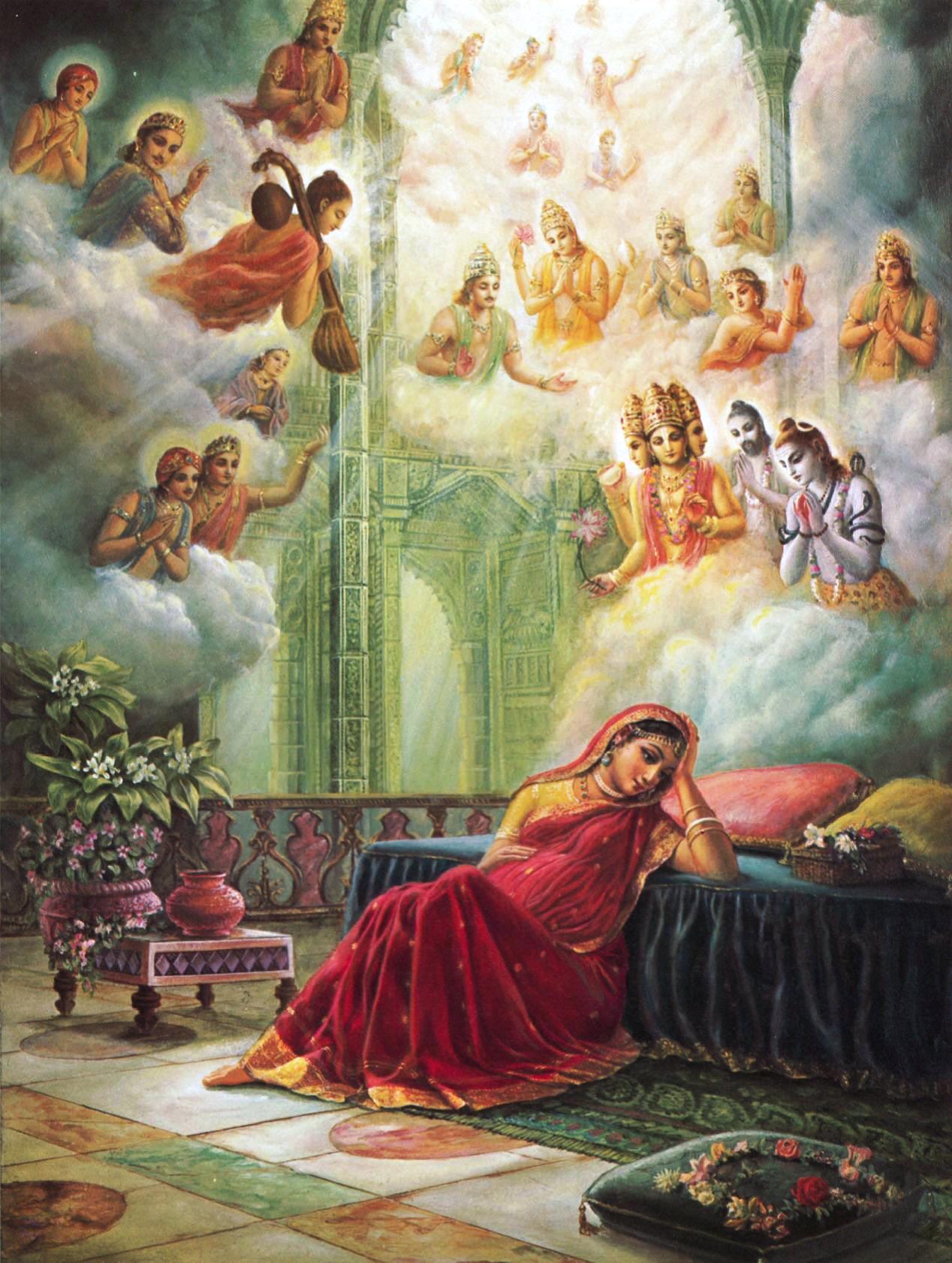
On the request of the devathās (demigods), Lord Kṛṣṇa (Kaṇṇaṉ) descended to relieve the burden of Mother Earth, who was suffering under the oppression of unrighteous and demonic kings. His purpose was to conduct divine pasttimes for His enjoyment, protect His devotees, annihilate the wicked, and re-establish the eternal principles of dharma for the welfare of the world. The avatāra of Śrī Kṛṣṇa is not a biological event but a divine drama, with every detail revealing a profound truth about His nature and His relationship with the soul. SB.10.1 - 10.2

தேவதைகளின் வேண்டுகோளுக்கு இணங்க, கண்ணன் எம்பெருமான் இந்த உலகில் திரு அவதாரம் செய்தார். அப்போது, அதர்ம வழியில் சென்ற அசுர குணம் கொண்ட அரசர்களின் கொடுமையால் பூமித்தாய் மிகவும் துன்பப்பட்டுக் கொண்டிருந்தாள். அவளுடைய பாரத்தைக் குறைப்பதற்காகவே பகவான் இறங்கி வந்தார்.

அவருடைய அவதாரத்திற்குப் பல உயர்ந்த நோக்கங்கள் இருந்தன. முதலாவதாக, தன்னுடைய ஆனந்தத்திற்காகத் தெய்வீக லீலைகளைச் செய்வது. இரண்டாவதாக, தன்னுடைய அடியார்களைப் பாதுகாப்பது. மூன்றாவதாக, தீயவர்களை அழிப்பது. இறுதியாக, இந்த உலகின் நன்மைக்காக சாஸ்வதமான தர்மத்தை மீண்டும் நிலைநிறுத்துவது.

ஸ்ரீ க்ருஷ்ணரின் அவதாரம் என்பது, நம்மைப் போல கர்மாவினால் ஏற்படும் ஒரு பிறப்பு அல்ல. அது முற்றிலும் எம்பெருமானின் திருவுள்ளத்தால் நிகழ்ந்த ஒரு தெய்வீக நாடகம். அந்த அவதாரத்தில் நடக்கும் ஒவ்வொரு சின்ன விஷயமும், பகவானுடைய ஸ்வபாவத்தைப் பற்றியும், ஆத்மாவுக்கும் அவருக்கும் உள்ள ஸம்பந்தத்தைப் பற்றியும் ஆழமான உண்மைகளை நமக்கு வெளிப்படுத்துகிறது.

(ஸ்ரீமத் பாகவதம் 10.1 - 10.2)

02

The Prelude in the Prison

சிறைச்சாலையில் ஒரு முன்னோட்டம்

Driven by a terrifying celestial prophecy, the tyrannical King Kamsa of Mathurā took extreme measures to prevent his own demise. The prophecy had warned that the eighth child of his sister, Devakī, would be his killer. To prevent this fate, Kamsa imprisoned Devakī and her husband Vasudevā, and brutally killed their first six infants immediately after their birth.

வானத்திலிருந்து கேட்ட ஒரு பயங்கரமான அசரீரி, மதுராவின் கொடுங்கோல் மன்னனான கம்ஸனை மிகவும் அச்சுறுத்தியது. தன் மரணத்தைத் தடுப்பதற்காக, அவன் மிகவும் கொடூரமான செயல்களில் இறங்கினான்.

அந்த அசரீரி, அவனுடைய தங்கை தேவகிப் பிராட்டியின் எட்டாவது குழந்தையே அவனுக்கு எமனாக வரும் என்று எச்சரித்திருந்தது.

இந்த விதியை எப்படியாவது தடுத்துவிட வேண்டும் என்று நினைத்த கம்ஸன், தேவகியையும் அவளுடைய கணவர் வஸுதேவரையும் சிறையில் அடைத்தான். அவர்களுக்குப் பிறந்த முதல் ஆறு குழந்தைகளையும், பிறந்த மறுகணமே இரக்கமில்லாமல் கொன்றான்.

03

The Role of Ādiśeṣā

ஆதிஶேஷனின் பங்கு

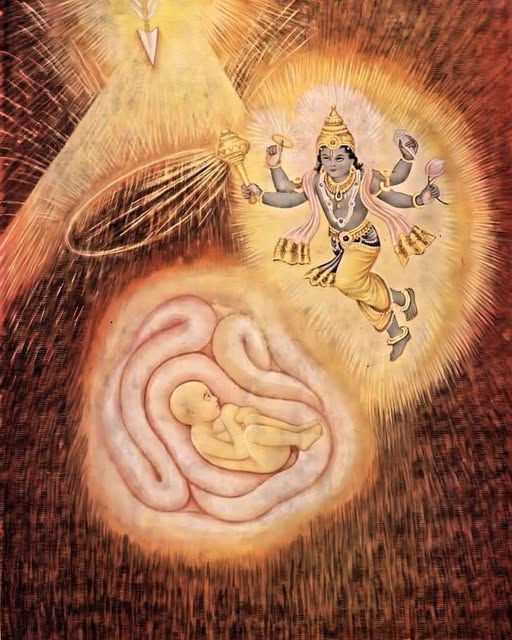
To save the seventh child, a divine incarnation of Ādiśeṣa, from being killed by Kamsa, the Lord used His divine power to miraculously transfer the embryo from Devakī's womb to the womb of Rohiṇī in Gokula, where he was safely born as Balarāmā.

கம்ஸனிடமிருந்து ஏழாவது குழந்தையைக் காப்பாற்றுவதற்காக, பகவான் தன் தெய்வீக சக்தியைப் பயன்படுத்தினார். அந்த ஏழாவது குழந்தை, ஆதிஶேஷனின் ஒரு திவ்யமான அவதாரம் ஆகும். எம்பெருமான், தேவகியின் திருவயிற்றில் இருந்த அந்த தெய்வீக சிசுவை ஒரு அற்புதமாக கோகுலத்தில் இருந்த ரோஹிணியின் திருவயிற்றுக்கு மாற்றினார். அங்கே அந்த குழந்தை பலராமராகப் பாதுகாப்பாக அவதரித்தார். இப்படி தேவகியின் திருவயிற்றிலிருந்து ரோஹிணியின் திருவயிற்றுக்கு அந்த தெய்வீக சிசு மாற்றப்பட்டு, பலராமராக அவதரித்ததே ஒரு அற்புதமான லீலையாகும்.

04

The Lord's Method of Arrival

எம்பெருமான் எழுந்தருளிய விதம்

Śrīman Nārāyaṇa entered the mind (Candra is the ruler of the mind) of Vasudevā before being transferred to Devakī.

ஸ்ரீமன் நாராயணன், தேவகியின் திருவயிற்றுக்கு மாற்றப்படுவதற்கு முன்பு, வஸுதேவரின் மனதிற்குள் பிரவேசித்தார் (மனதிற்கு அதிபதி சந்திரன்).

05

The Revealed Form

வெளிப்படுத்திய திருவுருவம்

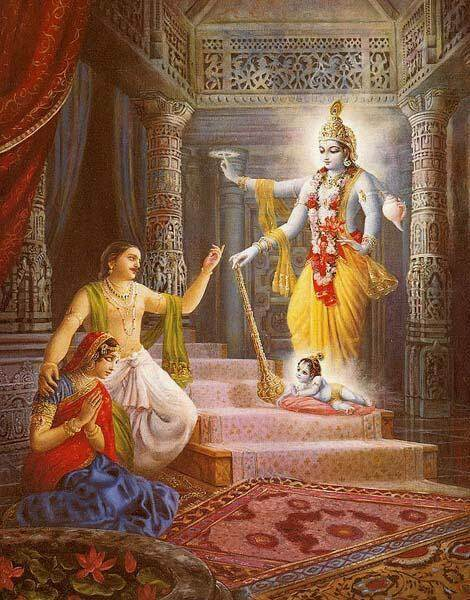
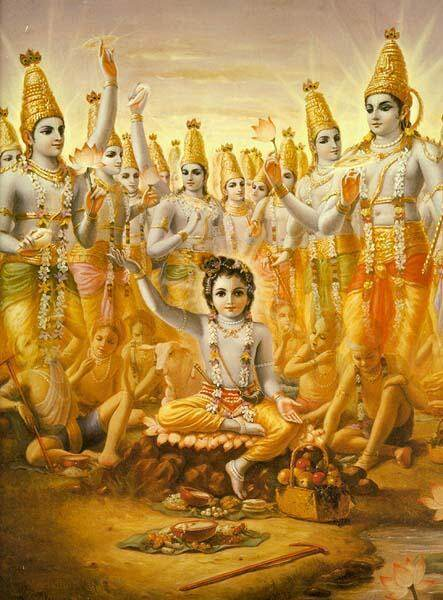
He first reveals His four-armed supreme form (paratvam), proving His capacity to save, before assuming the form of a helpless infant (saulabhyam), making Himself accessible to love.

எம்பெருமான் முதலில், நம்மைக் காப்பாற்றும் சக்தி தனக்கு உண்டு என்பதை நிரூபிக்க, தனது நான்கு திருக்கைகளுடன் கூடிய ஒப்பற்ற மேலான வடிவத்தை (பரத்வம்) காட்டுகிறார். அதன் பிறகு, நாம் அனைவரும் எளிதில் அணுகி அன்பு செலுத்துவதற்காக, கதியற்ற ஒரு குழந்தையின் வடிவத்தை (சௌலப்யம்) எடுத்துக்கொள்கிறார்.

06

The Nature of His Birth

எம்பெருமானுடைய அவதாரத்தின் தன்மை

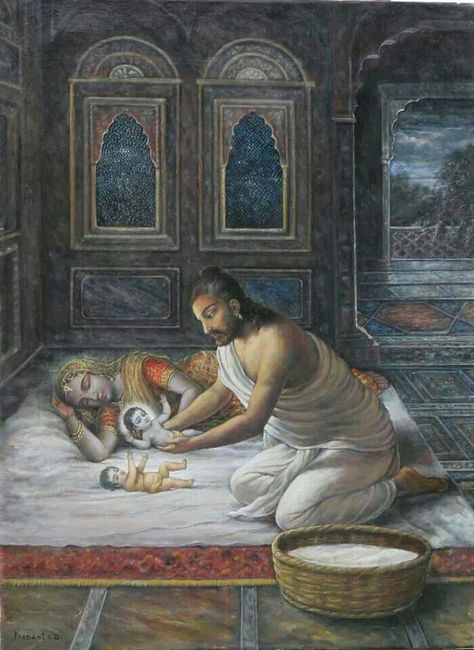
Out of respect for His parents' wishes, He then hid two of His arms, assuming the form of a human infant. This demonstrates His perfect saulabhya (accessibility). When Vasudevā, the surrendered soul, lifted the divine child, his shackles—the bonds of karmā—instantly fell away.

தன்னுடைய பெற்றோர்களான தேவகி மற்றும் வஸுதேவரின் விருப்பத்திற்கு மரியாதை கொடுத்து, பகவான் தன்னுடைய நான்கு திருக்கரங்களில் இரண்டை மறைத்துக்கொண்டு, ஒரு சாதாரண மனிதக் குழந்தையைப் போலத் திருவுருவம் கொண்டார். இதுவே எம்பெருமானுடைய பரிபூரணமான ஸௌலப்யத்தை (எளிதில் அணுகக்கூடிய தன்மையை) மிக அழகாகக் காட்டுகிறது.

சரணடைந்த ஆத்மாவான வஸுதேவர், அந்த தெய்வீகக் குழந்தையைத் தன் கைகளில் ஏந்திய அந்த நொடியிலேயே, அவருடைய கைகளைப் பிணைத்திருந்த விலங்குகள் தாமகவே தெறித்து விழுந்தன. இந்த விலங்குகள் வெறும் இரும்புச் சங்கிலிகள் அல்ல; அவை நம்மைப் பிறவிகளில் பிணைத்து வைத்திருக்கும் கர்மாவின் கட்டுகளாகும்.

07

Crossing the Yamunā

யமுனையைக் கடத்தல்

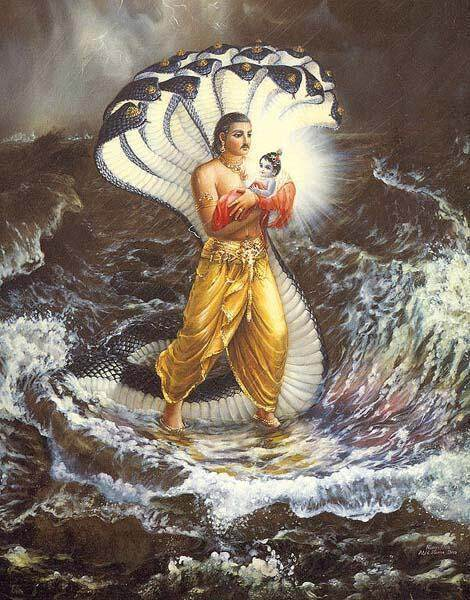
Following a divine command, Vasudevā crossed the Yamunā river to save the newborn Lord Kaṇṇaṉ from being killed by his tyrannical uncle, King Kamsa. His mission was to safely transport the divine infant to the village of Gokula and secretly exchange him with the newborn daughter of Nanda and Yaśodā.

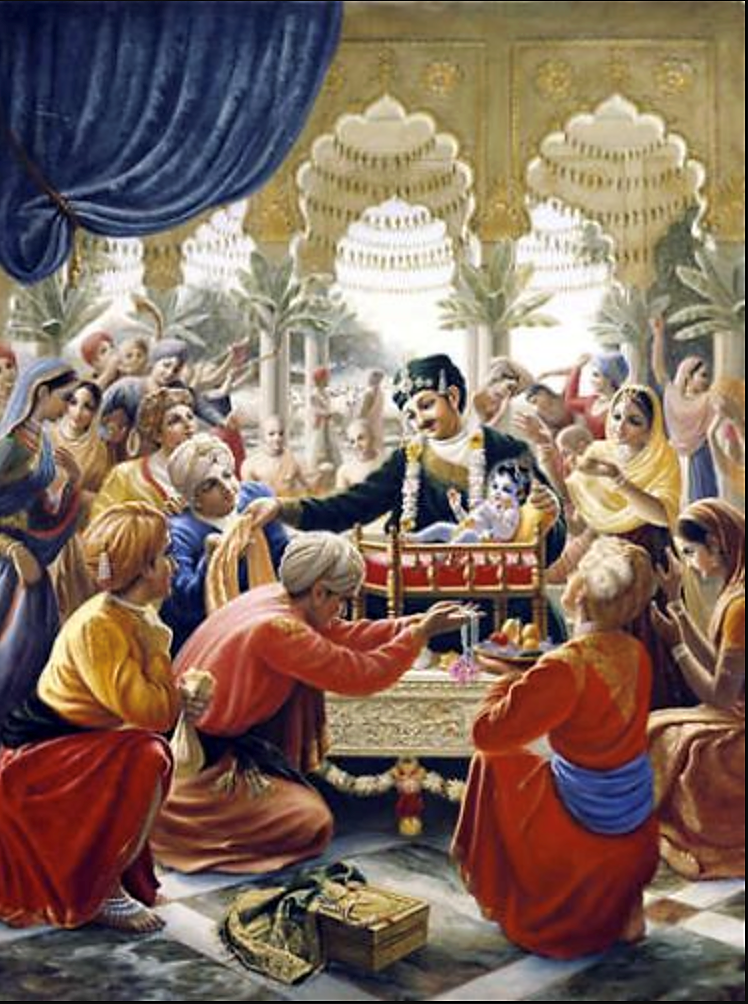
The village of Gokula awoke to the joyous news that a divine son had been born to their beloved king, Nanda Mahārāja, and his wife, Yaśodā. Overwhelmed with happiness, the entire community immediately erupted into a magnificent festival, celebrating the arrival of Kaṇṇaṉ with ecstatic song, dance, and lavish decorations. SB. 10.3

தெய்வீகக் கட்டளைப்படி, வஸுதேவர் பிறந்த குழந்தையான பகவான் கண்ணனை, அவனுடைய கொடுங்கோல் மாமன் கம்சனிடமிருந்து காப்பாற்றுவதற்காக யமுனை நதியைக் கடந்தார். அந்தக் தெய்வீகக் குழந்தையை கோகுலம் என்ற கிராமத்திற்குப் பாதுகாப்பாகக் கொண்டு சென்று, அங்கே நந்தர் மற்றும் யசோதைக்குப் பிறந்த பெண் குழந்தையுடன் ரகசியமாக மாற்றுவதே அவருடைய நோக்கமாக இருந்தது.

கோகுலம் கிராமம் ஒரு மாபெரும் மகிழ்ச்சியான செய்தியைக் கேட்டு விழித்தெழுந்தது. தங்களுக்கு மிகவும் பிரியமான அரசனான நந்த மஹாராஜருக்கும், அவருடைய பத்னியான யசோதைக்கும் ஒரு தெய்வீகக் குமாரன் பிறந்திருக்கிறான் என்பதே அந்த செய்தி. அளவற்ற ஆனந்தத்தில் மூழ்கிய அந்த ஊர் மக்கள் அனைவரும் உடனடியாக ஒரு பிரம்மாண்டமான திருவிழாவைக் கொண்டாடத் தொடங்கினார்கள். கண்ணனின் வருகையை அவர்கள் பேரானந்தத்துடன் கூடிய பாடல்கள், நடனங்கள் மற்றும் ஏராளமான அலங்காரங்களுடன் கொண்டாடி மகிழ்ந்தார்கள்.

08

Workings of Yogamāyā

யோகமாயையின் செயல்பாடுகள்

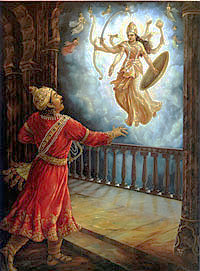
Before the celeberations Vasudevā had picked up the infant girl from the maternity room in the house of Nanda Mahārāja and Yaśodā in the village of Gokula. He found her lying on the bed next to Yaśodā, who was fast asleep, and there he secretly exchanged the two babies. After Vasudevā returned to the prison with the infant girl, the cruel King Kamsa seized her and tried to smash her against a stone. The baby slipped from his grasp, revealed her divine form as the goddess Yogamāyā in the sky, and warned him that his true killer had already been born elsewhere before she disappeared.

கொண்டாட்டங்கள் தொடங்குவதற்கு முன்பு, வஸுதேவர் கோகுலம் என்ற கிராமத்தில் இருந்த நந்த மஹாராஜர் மற்றும் யசோதையின் இல்லத்திற்குச் சென்றார். அங்கே பிரசவ அறையில், ஆழ்ந்த உறக்கத்தில் இருந்த யசோதை பிராட்டியின் அருகில் படுத்திருந்த ஒரு பெண் குழந்தையை அவர் கண்டார். மிகவும் ரகசியமாக, தன்னிடமிருந்த ஆண் குழந்தையை அங்கே வைத்துவிட்டு, அந்தப் பெண் குழந்தையை அவர் எடுத்துக்கொண்டார்.

வஸுதேவர் அந்தப் பெண் குழந்தையுடன் சிறைச்சாலைக்குத் திரும்பியதும், கொடூரமான மன்னனான கம்ஸன் அந்தக் குழந்தையைப் பிடித்து, ஒரு கல்லின் மீது மோதிக் கொல்ல முயன்றான். ஆனால், அந்தக் குழந்தை அவன் பிடியிலிருந்து நழுவி, வானத்தில் உயர்ந்தது. அங்கே, அவள் தன் தெய்வீகமான யோகமாயா என்ற தேவி உருவத்தைக் காட்டினாள். பிறகு, "உன்னைக் கொல்லப் போகிறவன் ஏற்கெனவே வேறு இடத்தில் பிறந்துவிட்டான்" என்று கம்ஸனை எச்சரித்துவிட்டு, அவள் மறைந்து போனாள்.

09

The Divine Catalyst: Nārada's Visit

தெய்வீகத் தூண்டுதல்

Seeing Kamsa in a state of confusion and remorse, the celestial sage Nārada arrived to accelerate the divine plan. He revealed Kamsa's true identity as the reborn demon Kālanemi and confirmed that his prophesied killer—Lord Viṣṇu Himself—was living safely in Gokula, surrounded by celestial beings who had descended to assist Him. Hearing this, Kamsa’s remorse vanished; it was replaced by a furious rage that caused him to re-imprison Vasudeva and Devakī and launch his campaign of terror, sending his powerful demons to find and kill the infant Kaṇṇaṉ.

கம்ஸன் மிகுந்த குழப்பத்திலும், மன வருத்தத்திலும் இருந்தான். அந்த சமயத்தில், தேவ ரிஷியான நாரதர் அங்கு எழுந்தருளினார். பகவானுடைய தெய்வீகத் திட்டத்தை வேகப்படுத்துவதற்காகவே அவர் வந்தார்.

அவர் கம்ஸனிடம் அவனது உண்மையான பிறப்பின் ரகசியத்தை வெளிப்படுத்தினார். "நீ பூர்வ ஜன்மத்தில் காலநேமி என்ற அஸுரன்" என்று கூறினார். மேலும், "உன்னைக் கொல்லப் போகிறவர் என்று முன்னமே சொல்லப்பட்டவர், ஸாக்ஷாத் ஸ்ரீமன் நாராயணனே. அவர் இப்போது கோகுலத்தில், தேவ கணங்கள் புடைசூழ மிகவும் பாதுகாப்பாக வளர்ந்து வருகிறார்" என்ற உண்மையையும் உறுதிப்படுத்தினார்.

இதைக் கேட்டதும், கம்ஸனின் மன வருத்தம் முற்றிலுமாக மறைந்துவிட்டது. அதற்குப் பதிலாக, கட்டுக்கடங்காத, மூர்க்கமான கோபம் அவனுக்குள் எரிமலையாக வெடித்தது. அவன் உடனடியாக வஸுதேவரையும் தேவகியையும் மீண்டும் சிறையில் அடைத்தான். அதோடு, குழந்தை கண்ணனைக் கண்டுபிடித்துக் கொல்வதற்காகத் தனது பலம் வாய்ந்த அஸுரர்களை அனுப்பினான். இதுவே அவனது பயங்கரமான கொடுஞ்செயல்களின் தொடக்கமாக அமைந்தது.

10

Pūtanā Mokṣam: Liberation of the Demoness

பூதனா மோக்ஷம்: அரக்கியின் விடுதலை

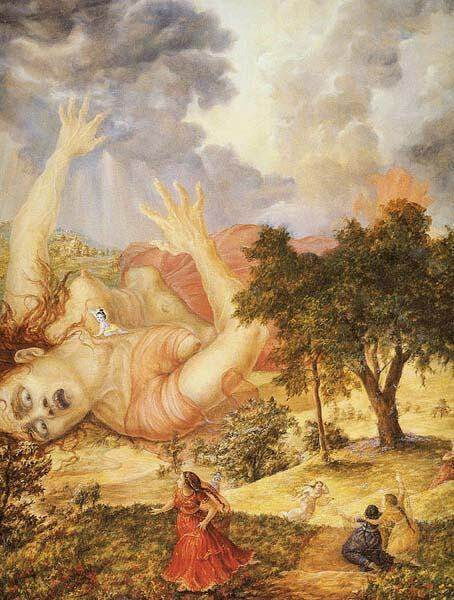
Pūtanā Mokṣam (Liberation of the Demoness Pūtanā): The demoness Pūtanā was sent by Kamsā to murder the infant Kaṇṇaṉ. Disguised as a beautiful woman, she offered Him her breast for nursing, which was coated with a deadly poison. The Lord, accepting this offering, not only neutralized the poison but also drank her very life force. Crying out in agony, Pūtanā fell dead in her true gigantic form, and because she had made an offering to the Lord. Even with malicious intent, she was granted liberation (mokṣa) by His divine touch.

கம்ஸனால் அனுப்பப்பட்ட பூதனா என்ற அரக்கி, குழந்தை கண்ணனைக் கொல்வதற்காக வந்தாள். அவள் ஒரு அழகான பெண்ணைப் போல வேடம் பூண்டு, தனது மார்பில் கொடிய விஷத்தைத் தடவிக்கொண்டு, கண்ணனுக்குப் பாலூட்ட வந்தாள். பகவானோ, அவள் கொடுத்ததை அன்புடன் ஏற்றுக்கொண்டு, அந்த விஷத்தை முறியடித்தது மட்டுமல்லாமல், அவளுடைய உயிரையும் சேர்த்து உறிஞ்சிவிட்டார். தாங்கமுடியாத வலியால் அலறிக்கொண்டே, பூதனா தனது பிரம்மாண்டமான அரக்கி உருவத்தில் கீழே விழுந்து இறந்தாள். அவள் தீய எண்ணத்துடன் வந்தபோதிலும், எம்பெருமானுக்குத் தன்னை அர்ப்பணித்த காரணத்தாலும், அவனுடைய திருமேனி தீண்டியதாலும், அவளுக்கு மோக்ஷம் கிடைத்தது.

11

Śakaṭāsura Bhañjanam: Breaking the Cart-Demon

சகடாசுர பங்கம்: வண்டி அசுரனை அழித்த லீலை

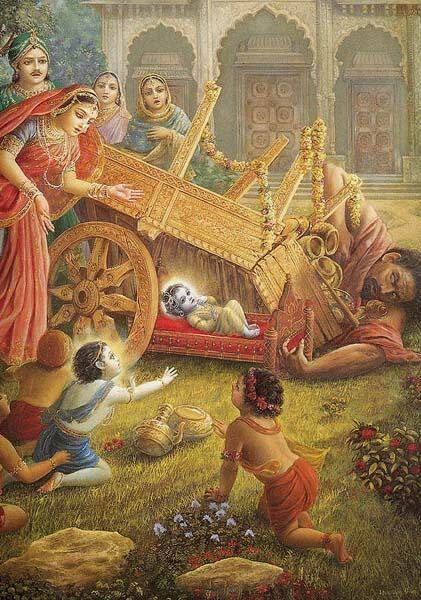
Śakaṭāsura Bhañjanam (Breaking the Cart-Demon): While the infant Kaṇṇaṉ was resting in the shade beneath a simple handcart, a demon named Śakaṭāsura, sent by Kamsā, invisibly entered the cart intending to crush the child. The Lord, with a mere playful kick of His lotus foot, sent the heavy cart flying into the air, shattering it into pieces and instantly killing the demon within. The assembled villagers rushed to the scene in alarm, astonished to find the cart fully destroyed while the divine child lay peacefully unharmed.

குழந்தை கண்ணன் ஒரு சின்ன வண்டிக்கு அடியில் நிழலில் ஓய்வெடுத்துக் கொண்டிருந்தார். அப்போது, கம்சனால் அனுப்பப்பட்ட சகடாசுரன் என்ற அசுரன், கண்ணுக்குத் தெரியாமல் அந்த வண்டிக்குள் புகுந்தான். அவனுடைய நோக்கம், அந்தக் குழந்தை மீது வண்டியைக் கவிழ்த்து, நசுக்கிக் கொல்வதே ஆகும்.

ஆனால், எல்லாம் அறிந்த எம்பெருமான், தனது தாமரைத் திருவடியால் விளையாட்டாக அந்த வண்டியை லேசாக உதைத்தார். அந்த ஒரு சிறு உதைக்கு, பாரமான அந்த வண்டி வானத்தில் பறந்து, சுக்குநூறாகச் சிதறியது. அதனுள் மறைந்திருந்த அசுரனும் உடனடியாக மாண்டான். இந்த சத்தத்தைக் கேட்டு, பதற்றத்துடன் ஓடிவந்த ஊர் மக்கள், வண்டி முழுவதும் உடைந்திருப்பதையும், ஆனால் தெய்வக் குழந்தையான கண்ணன் எந்த பாதிப்பும் இல்லாமல் அமைதியாகப் படுத்திருப்பதையும் கண்டு மிகுந்த ஆச்சரியம் அடைந்தார்கள்.

12

Tṛṇāvarta Vadham: The Slaying of the Whirlwind-Demon

த்ருணாவர்த்த வதம்: சூறாவளி அசுரனின் வதம்

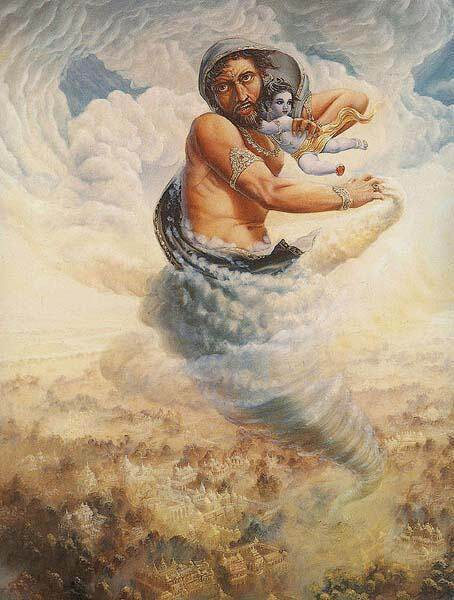
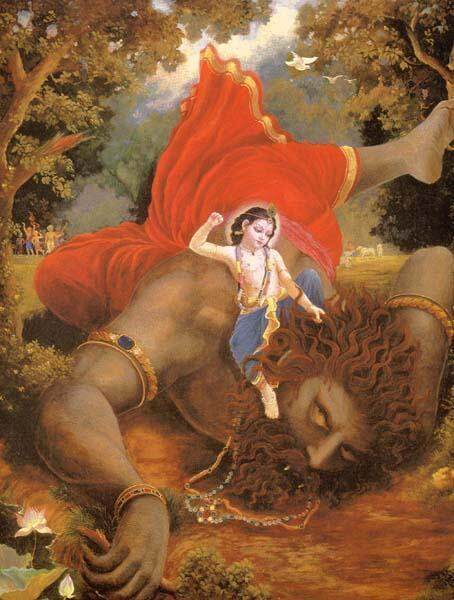
Tṛṇāvarta Vadham (The Slaying of the Whirlwind-Demon): The demon Tṛṇāvarta, assuming the form of a mighty whirlwind, swept up the infant Kaṇṇaṉ and carried Him high into the sky, engulfing Gokula in a blinding storm of dust. As the demon flew higher, the Lord made Himself impossibly heavy, finally seizing Tṛṇāvarta by the throat and stopping his flight. Unable to bear the weight or the grip, the demon choked and fell from the sky, crashing lifelessly to the ground. The residents of Vraja were filled with joy and wonder to find the divine child playing unharmed upon the monstrous, fallen body.

த்ருணாவர்த்தன் என்ற அசுரன், ஒரு பெரிய சூறாவளிக் காற்றின் உருவத்தை எடுத்துக்கொண்டு, குழந்தைக் கண்ணனைத் தூக்கிக்கொண்டு ஆகாயத்தில் மிக உயரத்திற்குப் பறந்து சென்றான். அப்போது, கோகுலம் முழுவதும் கண்ணுக்குத் தெரியாதபடி கடுமையான புழுதிப் புயலால் மூழ்கடித்தான்.

அந்த அசுரன் மேலே உயரப் பறக்கப் பறக்க, எம்பெருமான் தன் உடலைத் தாங்க முடியாத அளவுக்கு மிகவும் கனமாக்கினார். கடைசியில், த்ருணாவர்த்தனின் கழுத்தை இறுகப் பிடித்து, அவன் பறப்பதை நிறுத்தினார். அந்தக் கனத்தையும் பிடியையும் தாங்க முடியாமல், அந்த அசுரன் மூச்சுத் திணறி ஆகாயத்திலிருந்து உயிரற்றுக் கீழே விழுந்து மாண்டான். அந்த பயங்கரமான அசுரனின் உடல் மீது, தெய்வீகக் குழந்தையான கண்ணன் எந்த பாதிப்பும் இல்லாமல் விளையாடுவதைக் கண்ட ஆயர்பாடி மக்கள், பெரும் மகிழ்ச்சியும் ஆச்சரியமும் அடைந்தார்கள்.

13

Getting Hit for Stealing Fragrant Milk

மணக்கும் பாலைத் திருடியதற்காக அடி வாங்கிய லீலை

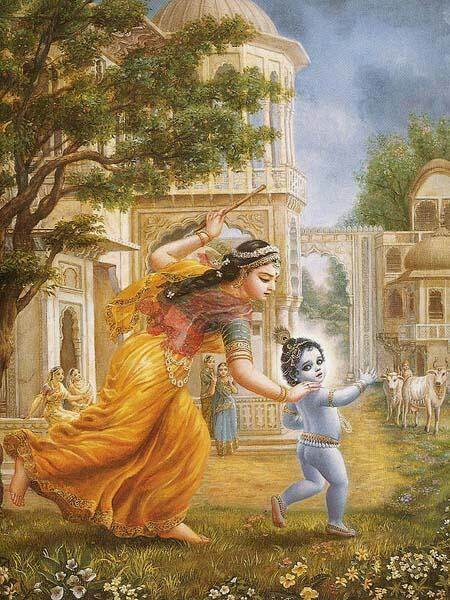
Getting hit for stealing fragrant milk: As part of His charming childhood pastimes in Vraja, the child Kaṇṇaṉ would often lead His friends on mischievous adventures into the homes of the Gopīs to steal their delicious, freshly churned butter and fragrant milk. In this incident, He was caught having plundered their stores of sweet, cardamom-infused milk. This act of divine thievery, born of His playful affection for His devotees, led to a loving confrontation with His mother, Yaśodā, who then attempted to discipline Him for His charming mischief. In a display of maternal discipline, Yaśodā gently tapped the child Kaṇṇaṉ after catching Him stealing cardamom-infused milk. At that very instant, the light blow was miraculously felt by every living being in the universe, including Yaśodā herself. This divine pastime left everyone bewildered, revealing that the Lord, as the indwelling soul of all, personally experiences the pains and pleasures of every creature.

பரமபதத்தில் ஸ்ரீதேவி, பூதேவி, நீளாதேவி ஸமேதராக, எண்ணிலடங்காத நித்யஸூரிகளால் ஸேவிக்கப்படும் பரம்பொருளான ஸ்ரீமன் நாராயணன், தன்னுடைய எல்லையில்லாத கருணையினால், பூலோகத்தில் வசிக்கும் நம்மைப் போன்ற ஜீவாத்மாக்களை ரக்ஷிப்பதற்காக கோகுலத்தில் ஒரு செல்லக் குழந்தையாகத் திரு அவதாரம் செய்தார். பெரிய மாளிகைகளிலோ, ராஜ அரண்மனைகளிலோ பிறக்காமல், நந்தகோபர் மற்றும் யசோதை அன்னையின் மகனாக, ஓர் எளிய ஆயர் குலத்தில் வந்து உதித்தார். இப்படி அவர் செய்தது அனைத்தும், பக்தர்களின் ஆனந்தத்திற்காகவே நடத்தப்பட்ட தெய்வீக லீலைகள்.

கோகுலத்தில் பகவான் கண்ணன் செய்த பல அழகான பால லீலைகளில் இதுவும் ஒன்று. குழந்தை கண்ணன், தன் நண்பர்களுடன் சேர்ந்து கோபியர்களின் வீடுகளுக்குள் குறும்புத்தனமாகப் புகுந்து விடுவான். அங்கே அவர்கள் புதிதாகக் கடைந்தெடுத்த சுவையான வெண்ணெய்யையும், மணமிக்க பாலையும் திருடி மகிழ்வார்கள்.

இந்த குறிப்பிட்ட லீலையில், ஏலக்காய் சேர்த்து காய்ச்சப்பட்ட இனிய, மணமான பாலை அவன் திருடியபோது கையும் களவுமாகப் பிடிபட்டுவிட்டான். பக்தர்கள் மீதான தன் அன்பை விளையாட்டாகக் காட்டுவதற்காகவே எம்பெருமான் இந்தத் திருட்டைச் செய்தான். இதைக் கண்ட அவனுடைய தாய் யசோதை, அவனது அழகான குறும்புத்தனத்திற்காக அவனை அன்புடன் கண்டிக்க முந்தினாள்.

ஏலக்காய் பால் திருடிய கண்ணனைப் பிடித்த யசோதை, ஒரு தாய்க்குரிய கண்டிப்புடன் அவன் மேல் செல்லமாக ஒரு அடி அடித்தாள். அவள் அடித்த அந்த நொடியிலேயே, அந்த லேசான அடியின் வலியை இந்த பிரபஞ்சத்தில் உள்ள எல்லா ஜீவராசிகளும் அதிசயமாக உணர்ந்தன. அந்த அடியை யசோதை தானும் உணர்ந்தாள்! இந்த தெய்வீக லீலை எல்லோரையும் பெரும் திகைப்பில் ஆழ்த்தியது. இதிலிருந்து ஒரு ஆழமான உண்மை தெளிவாகப் புரிந்தது: பகவான் எல்லா உயிர்களுக்குள்ளும் ஆத்மாவாக இருக்கிறான். அதனால், ஒவ்வொரு ஜீவராசியின் இன்பத்தையும் துன்பத்தையும் அவனே நேரில் அனுபவிக்கிறான்.

14

Eating Mud and Showing the Cosmic Form

மண்ணை உண்டு, உலகத்தைக் காட்டிய மாயக் கண்ணன்

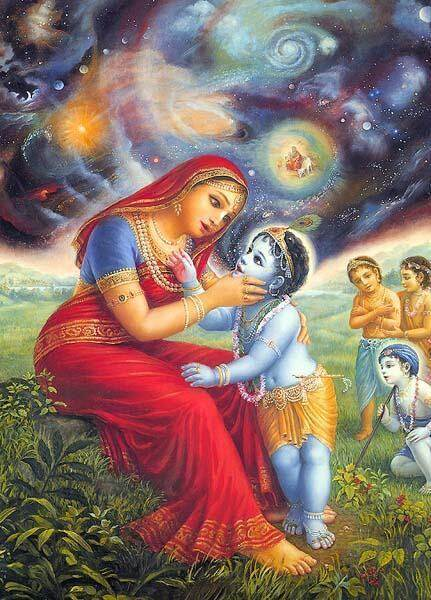
Eating Mud and Showing the Cosmic Form: When the other cowherd boys, including Balarāmā, complained to Mother Yaśodā that the child Kaṇṇaṉ had been eating mud, she lovingly confronted Him. To prove His innocence, Kaṇṇaṉ opened His tiny mouth for His mother to inspect. Instead of seeing mud, Yaśodā was granted a divine vision of the entire, infinite cosmos contained within His tiny mouth—she saw all planets, stars, oceans, and living beings, including herself and all of Vraja.

ஒரு நாள், கண்ணன் தன் நண்பர்களுடன் விளையாடும்போது, மண்ணை அள்ளி வாயில் போட்டுக்கொண்டான். பலராமரும் மற்ற ஆயர் சிறுவர்களும் தாய் யசோதையிடம் ஓடிச் சென்று, "அம்மா! உன் மகன் கண்ணன் எல்லோருக்கும் தெரியாமல் மண்ணைத் தின்கிறான்!" என்று முறையிட்டார்கள். யசோதை பதறிப்போய் ஓடிவந்து, "கண்ணா, வாயைத் திற" என்று கோபமாகக் கூறினாள்.

அதற்குப் பதிலளித்த எம்பெருமான், தான் அப்படி ஒரு குற்றமும் செய்யவில்லை என்பதை நிரூபிக்க விரும்பினான். முதலில் மறுத்த கண்ணன், பின்னர் தன் சின்னஞ்சிறு செவ்வாயைத் திறந்தான். அந்தச் சிறிய வாய்க்குள் யசோதை கண்ட காட்சி அவளைப் பிரம்மிக்க வைத்தது. அங்கே மண் இல்லை! அதற்குப் பதிலாக, இந்த முழு அண்ட சராசரமும் தெரிந்தது. கோடிக்கணக்கான நக்ஷத்திரங்கள், ஸூர்யன், சந்திரன், உயர்ந்த மலைகள், எல்லையற்ற கடல்கள், தேவர்கள், மனிதர்கள் என அனைத்து உலகங்களும் அந்தச் சின்ன வாய்க்குள் சுழன்றுகொண்டிருந்தன. மிகவும் ஆச்சரியமாக, அந்த வாய்க்குள் ஆயர்பாடியையும், அங்கே இருந்த தன்னையும், தன் மடியில் இருந்த கண்ணனையும் கூட அவள் கண்டாள். ஒன்றுக்கொன்று எதிராக இரண்டு கண்ணாடிகளை வைத்தால், அதில் முடிவில்லாத பிம்பங்கள் தோன்றுமல்லவா? அதுபோல, எல்லையற்ற பிரபஞ்சமும் (infinite), அதற்குள் இருக்கும் யசோதை போன்ற சிறிய ஜீவன்களும் (finite), எல்லாம் அந்தப் பரம்பொருளான பகவானுக்குள் அடக்கம் என்பதை இந்தக் காட்சி உணர்த்தியது. தன் பிள்ளை ஸாக்ஷாத் அந்த மஹாவிஷ்ணுவே என்பதை ஒரு கணம் அவள் உணர்ந்தாள்.

ஆனால், அடுத்த கணமே, பகவான் தன் மாயையால் அதை மறக்கச் செய்து, அவளை மீண்டும் ஒரு சாதாரணத் தாயின் மனநிலைக்குக் கொண்டுவந்துவிட்டான். ஏனென்றால், அவனைத் தன் மகனாக எண்ணி, வாத்ஸல்யத்துடன் அவள் காட்டும் அன்பை இழக்க பகவான் விரும்பவில்லை. இந்த ஒரு லீலையிலேயே, தன் எளிமையான குழந்தை வடிவத்தையும் (ஸௌலப்யம்), தன்னுடைய எல்லையற்ற பரம்பொருள் தன்மையையும் (பரத்வம்) ஒருங்கே காட்டினான் கண்ணன் எம்பெருமான்.

15

The Allegory of Stealing Butter

வெண்ணெய் திருட்டின் தாத்பர்யம்

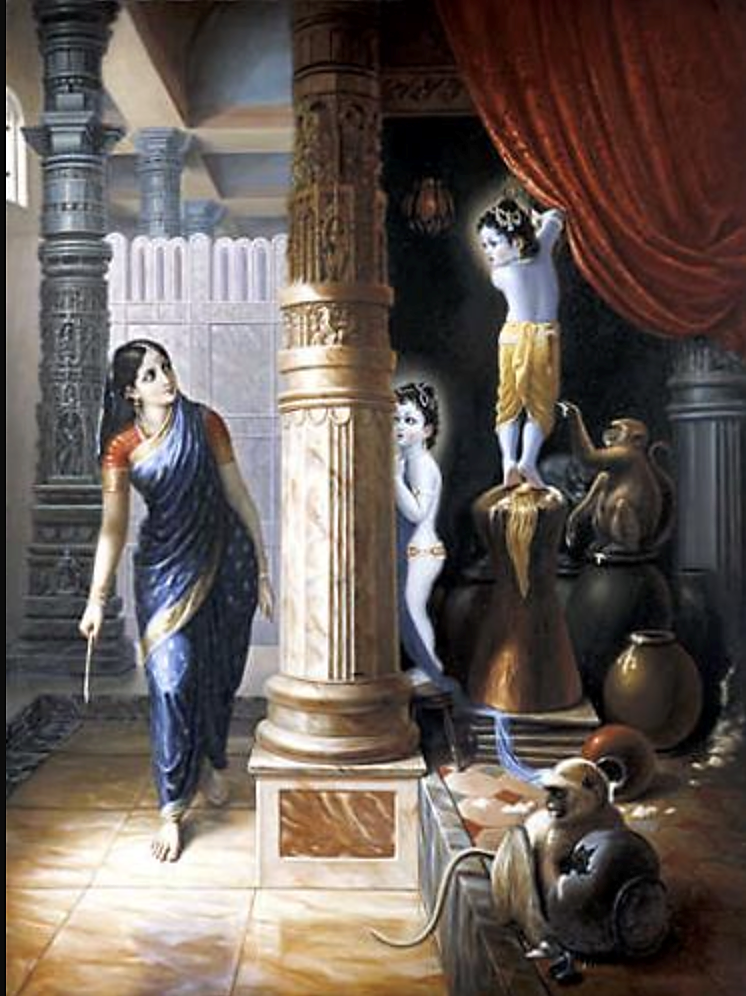
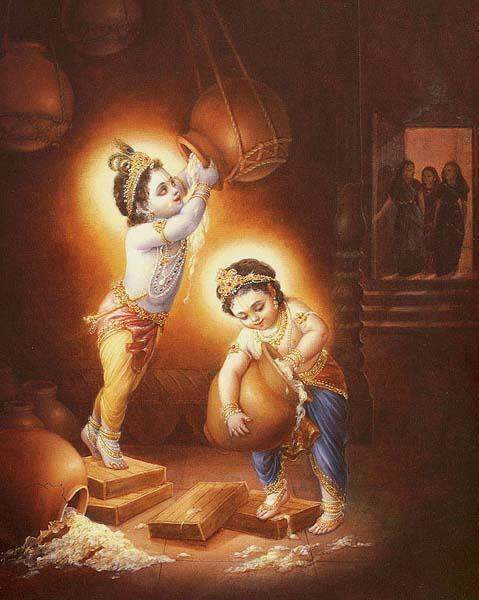
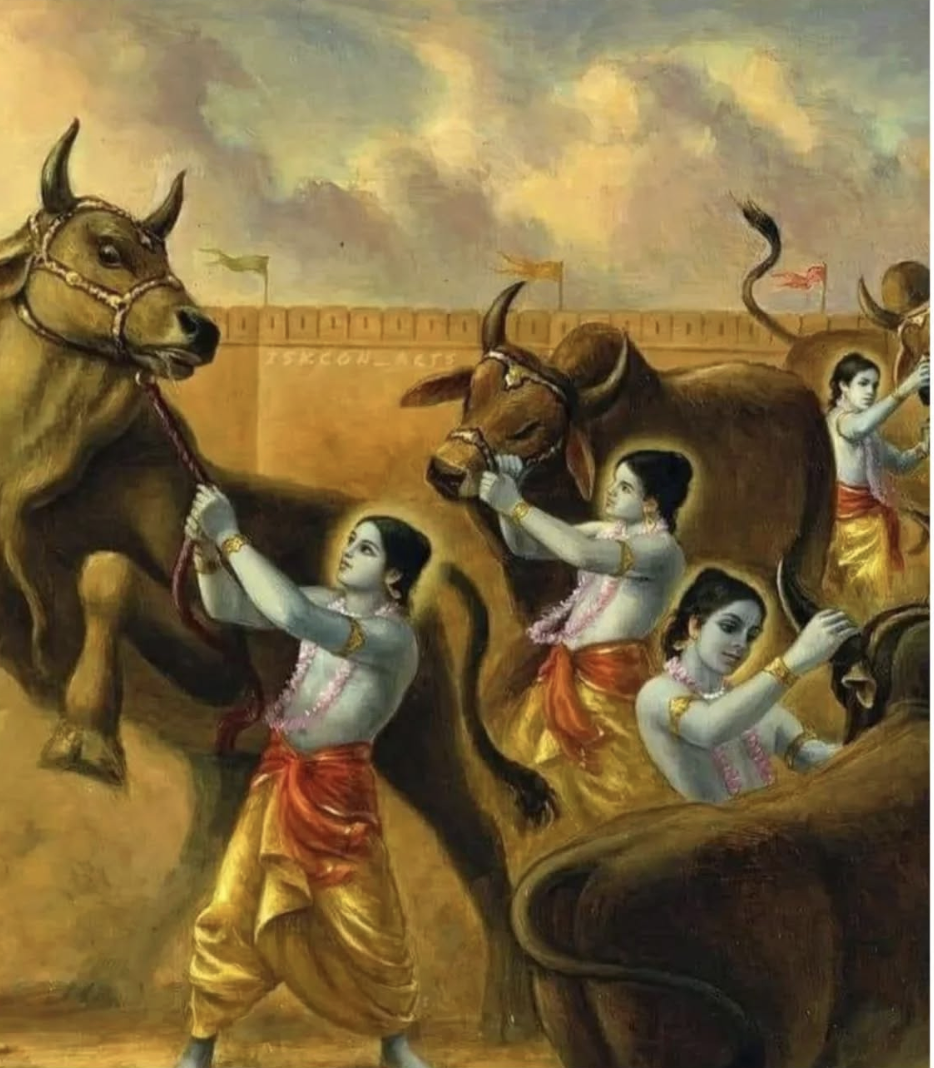
The Allegory of Stealing Butter: One of the most beloved of the Lord's childhood pastimes was His "butter thievery" in Vraja. The child Kaṇṇaṉ, along with His friends, would sneak into the homes of the Gopīs (the cowherd women) to steal their freshly churned butter and yogurt. They would form human pyramids to reach pots hung high from the ceiling and, after breaking them, would joyfully share the plunder with each other and the monkeys. The Gopīs would often complain to Mother Yaśodā about the charming thief, but secretly, they were overjoyed, as these mischievous acts were a pretext for them to relish His divine and loving presence.

கோகுலத்தில் உள்ள ஒவ்வொரு வீட்டிற்கும் கண்ணன் செல்லப் பிள்ளை. அவனுடைய குறும்புகளுக்கு அளவே இல்லை. எம்பெருமானுடைய பால லீலைகளில் மிகவும் விரும்பத்தக்க ஒன்று, வ்ரஜபூமியில் அவன் செய்த "வெண்ணெய்த் திருட்டு". குழந்தை கண்ணன், தன் நண்பர்களுடன் சேர்ந்து, கோபியர்களின் (இடைக்குலப் பெண்கள்) வீடுகளுக்குள் ரகசியமாகப் புகுந்து, அவர்கள் புதிதாகக் கடைந்து வைத்திருக்கும் வெண்ணெயையும் தயிரையும் திருடுவான்.

கூரையில் உயரமாகத் தொங்கவிடப்பட்டிருக்கும் பானைகளை எட்டுவதற்காக, ஒருவரையொருவர் ஏணியாகப் பிடித்துக்கொண்டு நிற்பார்கள். பிறகு, அந்தப் பானைகளை உடைத்து, அதில் உள்ள வெண்ணெயை ஆனந்தமாகத் தங்களுக்குள்ளும், அங்கிருக்கும் குரங்குகளுக்கும் பகிர்ந்து கொடுப்பார்கள். இந்த அழகான திருடனைப் பற்றி கோபியர்கள் யசோதா பிராட்டியிடம் சென்று புகார் செய்வது போல நடித்தாலும், உள்ளுக்குள் அவர்கள் மிகுந்த மகிழ்ச்சி அடைந்தார்கள். ஏனென்றால், இந்த குறும்புச் செயல்களின் மூலமாக, அவர்கள் கண்ணனின் தெய்வீகமான, அன்பு நிறைந்த ஸாந்நித்யத்தை அனுபவித்தார்கள்.

16

Dāmodara Līlā: Tying to the Mortar

தாமோதர லீலை: உரலில் கட்டுண்டது

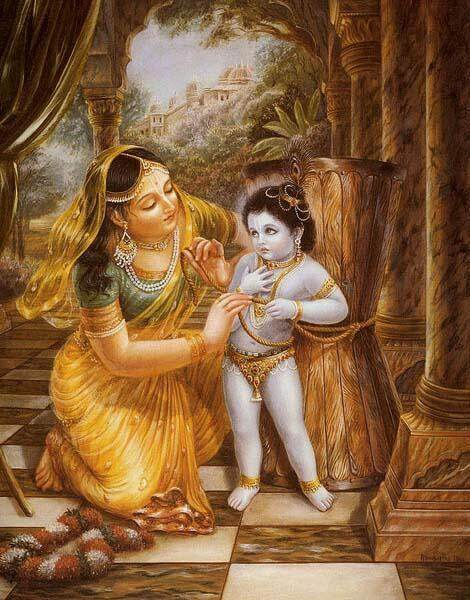
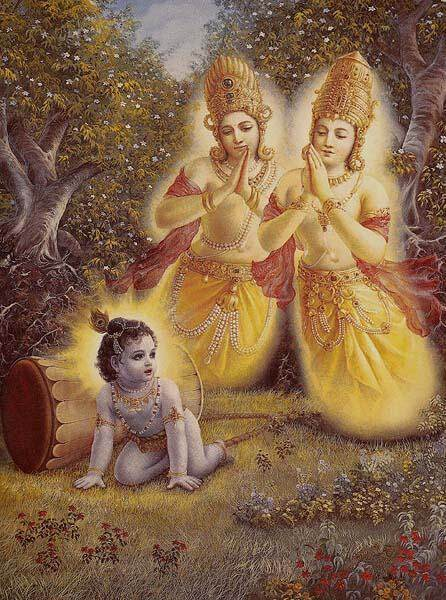
Dāmodara Līlā (Tying to the Mortar): To discipline the child Kaṇṇaṉ for His mischievous butter thievery, Mother Yaśodā attempted to tie Him to a heavy wooden grinding mortar. She was met with a miracle: no matter how many ropes she fetched and joined together, the total length was always exactly two inches too short to encircle His waist. Finally, seeing His mother's loving effort and complete exhaustion, the Lord, out of compassion for His devotee, relented and allowed Himself to be bound. For this pastime, He is known as Dāmodara, the one tied with a rope around the waist. While still tied to the heavy grinding mortar, the child Kaṇṇaṉ began to crawl, deliberately dragging the mortar through a narrow gap between two colossal Arjunā trees. The mortar became lodged sideways between the trunks, and with a gentle tug, the Lord uprooted both mighty trees, causing them to crash to the ground. From the fallen timber emerged two radiant demigods (sons of Kuverā), Nalakūvarā and Maṇigrīvā, who had been cursed long ago by the sage Nāradā (the divine sage). Freed by the Lord's divine touch, they offered Him heartfelt prayers before returning to their celestial abode.

குழந்தைக் கண்ணனின் வெண்ணெய்த் திருட்டுக் குறும்புகளுக்காக, அவனைக் கண்டிக்க நினைத்தாள் தாய் யசோதை. அவள் கண்ணனை ஒரு கனமான மர உரலோடு சேர்த்துக்கட்ட முயற்சி செய்தாள். ஆனால், அங்கே ஒரு அற்புதம் நிகழ்ந்தது. அவள் எத்தனை கயிறுகளை எடுத்து வந்து ஒன்றாக இணைத்தாலும், கண்ணனின் இடுப்பைச் சுற்றிக் கட்டுவதற்கு அந்தக் கயிறு எப்பொழுதும் இரண்டு அங்குலம் குறைவாகவே இருந்தது.

இறுதியாக, தன் தாயின் அன்பான முயற்சியையும், அவள் மிகவும் சோர்ந்து போனதையும் கண்டான் எம்பெருமான். தன் பக்தையின் மேல் கொண்ட பெரும் கருணையினால், அவன் தன்னைத்தானே கட்டிக்கொள்ள அனுமதித்தான். இடுப்பில் கயிற்றால் கட்டப்பட்டதால், இந்த லீலைக்காக அவன் தாமோதரன் என்று பெயர் பெற்றான்.

கனமான உரலில் கட்டப்பட்டிருந்த நிலையிலேயே, குழந்தை கண்ணன் தவழ ஆரம்பித்தான். அவன் வேண்டுமென்றே அந்த உரலை இரண்டு பெரிய அர்ஜுன மரங்களுக்கு இடையே இருந்த ஒரு குறுகிய இடைவெளி வழியாக இழுத்துச் சென்றான். உரலானது அந்த இரண்டு மரங்களின் அடிமரங்களுக்கு இடையே குறுக்காக மாட்டிக்கொண்டது. பகவான் லேசாக ஒரு இழுப்பு இழுத்ததும், அந்த இரண்டு பெரிய மரங்களும் வேரோடு சாய்ந்து, பெரும் சத்தத்துடன் தரையில் விழுந்தன.

அந்த விழுந்த மரக்கட்டைகளிலிருந்து, குபேரனின் புதல்வர்களான நளகூவரன், மணிக்ரீவன் என்ற இரண்டு தேவகுமாரர்கள் ஒளிமயமான ரூபத்துடன் தோன்றினார்கள். அவர்கள் பல காலத்திற்கு முன்பு நாரத மஹரிஷியால் சாபம் பெற்றிருந்தார்கள். பகவானின் தெய்வீக ஸ்பர்சத்தினால் சாப விமோசனம் பெற்ற அவர்கள், மனமுருகிப் பகவானைத் துதித்துவிட்டு, தங்கள் தேவலோகத்திற்குத் திரும்பினார்கள்.

17

Liberating the Butter Seller (Dadhi Pāṇḍan)

தயிர் விற்பவனுக்கு மோக்ஷம் அருளியது

Liberating the Butter Seller (Dadhi Pāṇḍan): When a butter seller lied to Yaśodā to protect Kṛṣṇa, the Lord liberated both the seller and his pots.

ஒருமுறை, தயிர் விற்கும் ஒருவன் கண்ணனைக் காப்பாற்றுவதற்காக யசோதையிடம் பொய் சொன்னான். கண்ணன் வெண்ணெய் திருடவில்லை என்று கூறி, எம்பெருமானை யசோதையின் கோபத்திலிருந்து காக்க நினைத்தான். அவனுடைய அன்பில் மகிழ்ந்த பகவான், அந்தத் தயிர்க்காரனுக்கும் அவன் சுமந்து வந்த பானைகளுக்கும் கூட மோக்ஷத்தை அருளினார்.

18

Gift to the Fruit Seller: Infinite Reciprocation

பழம் விற்கும் பாட்டிக்குக் கிடைத்த பரிசு

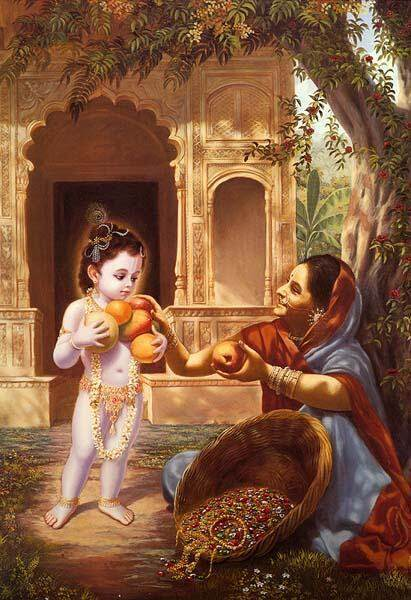
Gift to the fruit seller - Hearing the call of an elderly fruit-selling woman, the child Kaṇṇaṉ ran to her, offering a small handful of grains in exchange for fruit. Captivated by His divine charm and overcome with parental affection, the woman lovingly filled His cupped hands with her best fruits, expecting nothing in return. When she later looked into her own basket, she found that the Lord had miraculously filled it to the brim with priceless gold and jewels, rewarding her selfless love infinitely.

ஒரு வயதான பாட்டி, "பழங்கள் வாங்கலையோ" என்று தெருவில் கூவிக்கொண்டு சென்றாள். அந்தக் குரலைக் கேட்ட குழந்தை கண்ணன், அவளிடம் பழம் வாங்குவதற்காக ஆசையோடு ஓடினான். தன் சின்னஞ்சிறு கைகளில் அள்ளிய தானியங்களைக் கொடுத்து, அதற்குப் பதிலாகப் பழம் கேட்க வந்தான்.

கண்ணனின் தெய்வீக அழகையும், மழலைக் குணத்தையும் கண்ட அந்தப் பாட்டி தன் உள்ளத்தைப் பறிகொடுத்தாள். அவள் மனத்தில் ஒரு தாய்க்குரிய வாத்ஸல்யம் (பிள்ளைப்பாசம்) பொங்கி எழுந்தது. அதனால், கண்ணன் கொண்டுவந்த தானியங்களைப் பற்றிக் கவலைப்படாமல், பிரதிபலன் எதையும் எதிர்பார்க்காமல், தன்னிடம் இருந்த மிகச் சிறந்த பழங்களால் கண்ணனின் பிஞ்சுக் கைகளை அன்புடன் நிரப்பினாள்.

பிறகு, அவள் தன் பழக் கூடையைப் பார்த்தபோது பெரும் அதிசயம் காத்திருந்தது. பகவான் அந்தக் கூடையை விலைமதிப்பில்லாத தங்கம், வைரம் மற்றும் நவரத்தினங்களால் நிரப்பியிருந்ததைக் கண்டாள். அவளுடைய தன்னலமற்ற அன்பிற்குப் பகவான் அளவே இல்லாத பெரும் பரிசைக் கொடுத்தான்.

19

Transforming Vrindāvan

பிருந்தாவனத்தை மாற்றியருளியது

Transforming Vrindāvan: When Nanda Mahārāja moved the residents of Vraja to the new lands of what would become Vrindavan, parts of the forest were a harsh wilderness, filled with sharp thorns and prickly grasses. This thorny ground was painful and unsuitable for the tender feet of the cows, calves, and the Lord's dear devotees. Seeing the discomfort of His beloved companions and cows, the young Kaṇṇaṉ performed a wonderful miracle. By His divine will and the touch of His lotus feet, the entire landscape was transformed. The sharp thorns retracted into the earth, and the harsh, unwelcoming terrain miraculously became a paradise of soft, lush green pastures, perfectly suited for grazing and the joyful pastimes of the Lord. SB 10.11.28

நந்த மஹாராஜா, வ்ரஜபூமியில் வசித்த மக்களை பிருந்தாவனம் என்று பின்னாளில் அழைக்கப்பட்ட புதிய இடத்திற்கு அழைத்துச் சென்றார். அப்போது, அந்தக் காட்டின் சில பகுதிகள் மிகவும் கடினமானதாகவும், கூர்மையான முட்களும் குத்தும் புற்களும் நிறைந்த வறண்ட நிலமாகவும் இருந்தன.

இந்த முட்கள் நிறைந்த தரை, பசுக்கள், கன்றுகள் மற்றும் எம்பெருமானின் அன்பான பக்தர்களின் மென்மையான பாதங்களுக்கு மிகுந்த வேதனையைக் கொடுத்தது. தன்னுடைய பிரியமான தோழர்களும் பசுக்களும் படும் துன்பத்தைக் கண்ட இளம் கண்ணன், ஒரு அற்புதமான அற்புதத்தைச் செய்தான். அவனுடைய தெய்வீகத் திருவுள்ளத்தாலும், அவனுடைய தாமரைத் திருவடிகள் அந்த நிலத்தில் பட்டதாலும், அந்த இடம் முழுவதும் அடியோடு மாறியது. கூர்மையான முட்கள் எல்லாம் பூமிக்குள் மறைந்து போயின. அந்தக் கடினமான, வரவேற்காத நிலம், பசுக்கள் மேய்வதற்கும், பகவான் தன்னுடைய ஆனந்தமான லீலைகளைச் செய்வதற்கும் ஏற்ற, மென்மையான, அடர்த்தியான பசுமையான புல்வெளியாக அற்புதமாக மாறியது. (ஸ்ரீமத் பாகவதம் 10.11.28)

20

Vatsāsura and Kapitthāsura Vadham

வத்ஸாஸுரன் மற்றும் கபித்தாஸுரன் வதம்

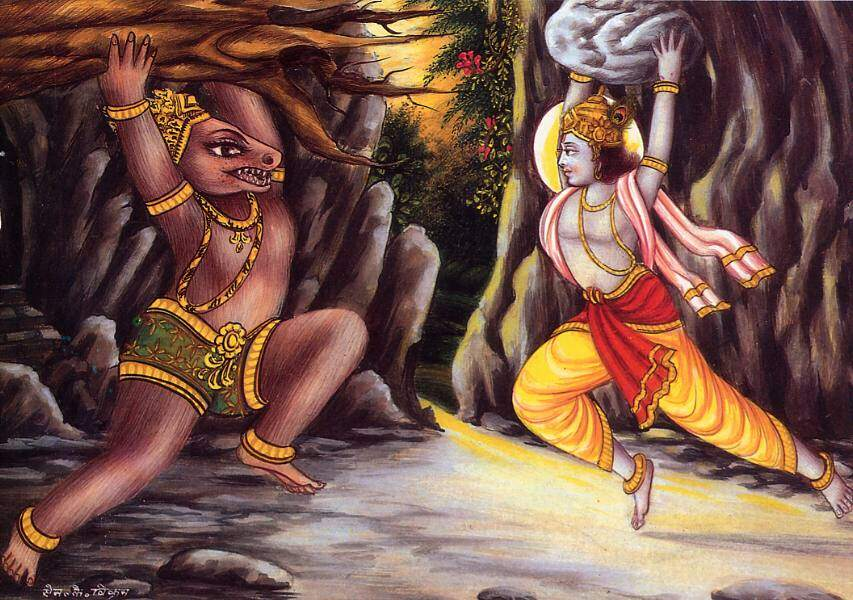
Vatsāsura and Kapitthāsura Vadham (Slaying the Calf and Wood Apple Demons): While herding calves in the forest, a demon named Vatsāsura disguised himself as a calf to infiltrate the herd, while another demon, Kapitthāsura, took the form of a wood apple tree (viḷā maram). Both intended to kill the Lord. Kaṇṇaṉ, perceiving their plot, grabbed the calf-demon by its hind legs, expertly whirled him through the air, and threw him with immense force into the demon-tree. This single, powerful act killed both demons simultaneously, leaving His friends and the demigods in awe of His divine strength.

ஒருமுறை, கண்ணன் தன் நண்பர்களுடன் காட்டில் கன்றுகளை மேய்த்துக் கொண்டிருந்தான். அப்போது, வத்ஸாஸுரன் என்ற அசுரன், பகவானைக் கொல்வதற்காக ஒரு கன்றுக் குட்டியின் உருவத்தில் அந்த மந்தைக்குள் தந்திரமாகப் புகுந்தான். அதே சமயம், கபித்தாஸுரன் என்ற மற்றொரு அசுரன், ஒரு விளா மரத்தின் வடிவில் அங்கே நின்றான்.

அவர்கள் இருவரின் தீய நோக்கத்தையும் தன் திருவுள்ளத்தால் உடனடியாக உணர்ந்துகொண்டான் எம்பெருமான். கண்ணன், கன்று உருவில் இருந்த அந்த அசுரனின் பின்னங்கால்களை இறுகப் பிடித்து, லாவகமாகத் தலைக்குமேல் காற்றில் சுழற்றி, மிகுந்த வேகத்துடன் அந்த விளா மரத்தின் மீது ஓங்கி வீசினான். இந்த ஒரே ஒரு சக்திவாய்ந்த செயலால், கன்று-அசுரனும் மரம்-அசுரனும் ஒரே நேரத்தில் கொல்லப்பட்டனர். கண்ணனின் இந்த தெய்வீக வலிமையைக் கண்ட அவனுடைய நண்பர்களும், வானத்தில் இருந்த தேவர்களும் பெருவியப்பில் ஆழ்ந்தனர்.

21

Bakāsura Vadham: Slaying the Crane-Demon

பகாஸுர வதம்: கொக்கு அசுரனை வதைத்தல்

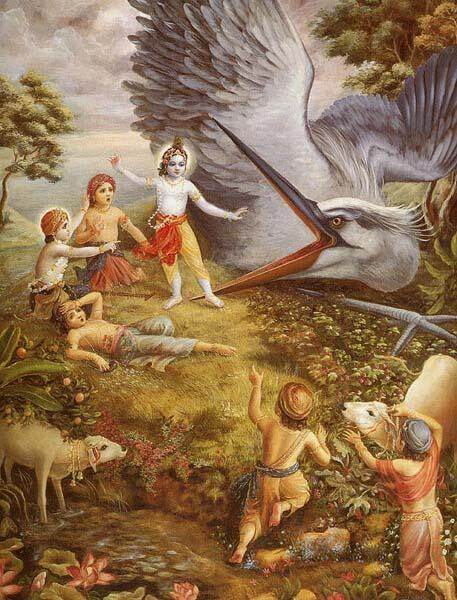
Bakāsura Vadham (Slaying the Crane-Demon): The demon Bakāsura, taking the form of a gigantic crane with a fearsome beak, suddenly attacked the cowherd boys and swallowed Kaṇṇaṉ whole. While the other boys fainted in terror, the Lord made Himself unbearably hot inside the demon's throat, forcing the crane to violently disgorge Him, completely unharmed. As the enraged Bakāsura tried to attack again, Kaṇṇaṉ, with divine ease, caught both halves of his powerful beak and tore the demon apart as effortlessly as splitting a blade of grass.

பகாஸுரன் என்ற ஒரு அசுரன், மிகப் பெரிய கொக்கின் உருவத்தை எடுத்துக்கொண்டான். அவனுக்கு மிகவும் பயங்கரமான, கூர்மையான அலகு இருந்தது. அவன் திடீரென்று இடையர் சிறுவர்களைத் தாக்கி, கண்ணனை அப்படியே முழுவதுமாக விழுங்கிவிட்டான்.

இதைக் கண்ட மற்ற சிறுவர்கள் மிகுந்த பயத்தில் மயங்கி விழுந்தார்கள். ஆனால் எம்பெருமானான கண்ணன், அந்த அசுரனின் தொண்டைக்குள் தன்னை நெருப்பைப் போலச் சூடாக்கிக்கொண்டான். அந்தச் சூட்டைத் தாங்க முடியாமல், கொக்கு-அசுரன் கண்ணனை வேகமாக வெளியே கக்கினான். கண்ணனுக்கு ஒரு சிறு காயம்கூட ஏற்படவில்லை.

கோபத்தால் கொதித்தெழுந்த பகாஸுரன், மீண்டும் கண்ணனைத் தாக்க வந்தான். அப்போது கண்ணன், ஒரு தெய்வீக லீலையாக, அவனுடைய சக்திவாய்ந்த அலகின் இரண்டு பகுதிகளையும் தன் திருக்கைகளால் பிடித்துக்கொண்டான். பிறகு, ஒரு புல்லை மிக எளிதாகக் கிழிப்பதைப் போல, அந்த அசுரனின் அலகைக் கிழித்து வதம் செய்தான்.

22

Aghāsura Vadham: Slaying the Serpent-Demon

அகாஸுர வதம்: பாம்பு அரக்கனை வதைத்தல்

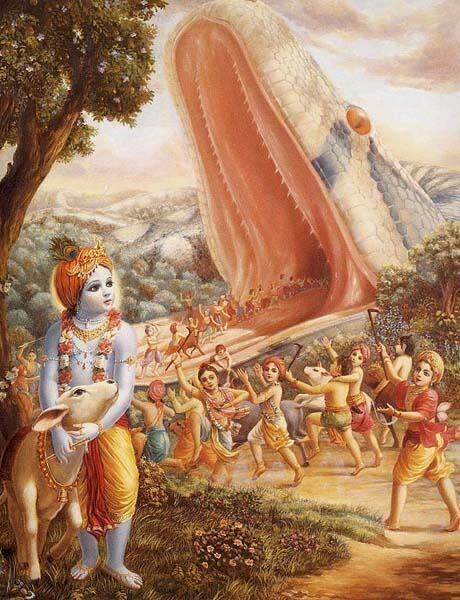
Aghāsura Vadham (Slaying the Serpent-Demon): The demon Aghāsura, seeking to avenge his siblings Pūtanā and Bakāsura, took the form of a colossal serpent, stretching for a mile. He opened his mouth so wide that it resembled a beautiful mountain cave, tricking the cowherd boys and their calves into happily walking inside. To save His friends, Kaṇṇaṉ entered the serpent's mouth as well. Once Aghāsura snapped his jaws shut, the Lord began to expand His own body to an immense size, completely choking the demon from within until his life force burst out. Kaṇṇaṉ then revived His friends and the calves with a graceful glance, leading them out safely.

அகாஸுரன் என்ற அரக்கன், தனது உடன் பிறந்தவர்களான பூதனா மற்றும் பகாஸுரனின் மரணத்திற்குப் பழிவாங்கத் துடித்தான். அதற்காக அவன், ஒரு மைல் நீளத்திற்கு ஒரு மாபெரும் பாம்பின் உருவத்தை எடுத்தான். ஒரு அழகான மலைக்குகை போலத் தோற்றமளிக்கும்படி அவன் தனது வாயை மிகப் பெரியதாகத் திறந்தான். அதைக் கண்ட கோபால சிறுவர்களும் அவர்களது கன்றுகளும், அது விளையாட ஒரு நல்ல இடம் என்று எண்ணி, மகிழ்ச்சியுடன் அந்த வாய்க்குள் நுழைந்தனர்.

தன் நண்பர்களைக் காப்பாற்ற, கண்ணபிரானும் அந்தப் பாம்பின் வாய்க்குள் நுழைந்தார். உள்ளே அனைவரும் வந்ததும், அகாஸுரன் தன் வாயை இறுக மூடினான். அப்போது, எம்பெருமான் தன் திருமேனியை மிகப் பெரியதாக விரிவாக்கத் தொடங்கினார். அதனால் மூச்சுத் திணறிய அந்த அரக்கனின் உயிர், அவன் தலையைப் பிளந்து கொண்டு வெளியேறியது. பின்னர் கண்ணன், தனது கருணை ததும்பும் பார்வையாலேயே மயங்கிக் கிடந்த தன் நண்பர்களையும் கன்றுகளையும் மீண்டும் உயிர் பெறச் செய்து, அவர்களைப் பாதுகாப்பாக வெளியே அழைத்து வந்தார்.

23

Brahma-vimohana Līlā: The Bewilderment of Lord Brahmā

ப்ரம்ம விமோஹன லீலா: பிரம்மனின் மயக்கத்தை நீக்கியது

Brahma-vimohana Līlā (The Bewilderment of Lord Brahmā) Curtailing Brahmā’s Pride: To test the divinity of the child Kaṇṇaṉ, the creator-god Lord Brahmā kidnapped all of His cowherd friends and their calves, hiding them away for a year. In response, Kaṇṇaṉ immediately expanded Himself into perfect replicas of every missing boy and calf, continuing His daily pastimes for one full year so that no one in Vraja noticed their absence. When Brahmā returned, he was bewildered to see all the boys and calves still present with Kṛṣṇa. The Lord then revealed that each of these forms was a divine expansion of Mahāviṣṇu. Completely overwhelmed by this vision, Brahmā's pride was vanquished, and he fell at the Lord's feet in utter surrender.

குழந்தையாக இருந்த கண்ணனின் தெய்வீகத் தன்மையை சோதிக்க, படைப்புக் கடவுளான பிரம்ம தேவன் விரும்பினார். அவர், கண்ணனின் கோபால நண்பர்கள் மற்றும் அவர்களது கன்றுகள் அனைவரையும் கடத்திச் சென்று, ஒரு வருடம் முழுவதும் மறைத்து வைத்தார். ஆனால், எம்பெருமானோ உடனடியாகத் தன்னையே காணாமல் போன ஒவ்வொரு சிறுவனாகவும், ஒவ்வொரு கன்றாகவும் விரிவாக்கிக் கொண்டார். ஒரு வருடம் முழுவதும் அந்தப் புதிய ரூபங்களுமாய் தனது தினசரி லீலைகளைத் தொடர்ந்தார். அதனால் வ்ரஜத்தில் இருந்த யாருமே அவர்களுடைய பிரிவை உணரவில்லை.

ஒரு வருடம் கழித்து பிரம்மன் திரும்பி வந்து பார்த்தபோது, கிருஷ்ணனுடன் எல்லா சிறுவர்களும் கன்றுகளும் இருப்பதைப் பார்த்து பெரும் அதிர்ச்சியும் குழப்பமும் அடைந்தார். அப்போது எம்பெருமான், அந்த ஒவ்வொரு வடிவமும் மஹாவிஷ்ணுவின் தெய்வீக அம்சமே என்ற உண்மையைத் அவருக்குக் காட்டினார். இந்த எல்லையற்ற காட்சியைக் கண்டு திகைத்துப்போன பிரம்மனின் கர்வம் முழுவதும் அழிந்தது. அவர் பகவானின் திருவடிகளில் விழுந்து முழுமையாகச் சரணடைந்தார்.

24

Dhenukāsura Vadham: Slaying the Donkey-Demon

தேனுகாசுரன் வதம்: கழுதை ரூபத்தில் இருந்த அசுரனின் வதம்

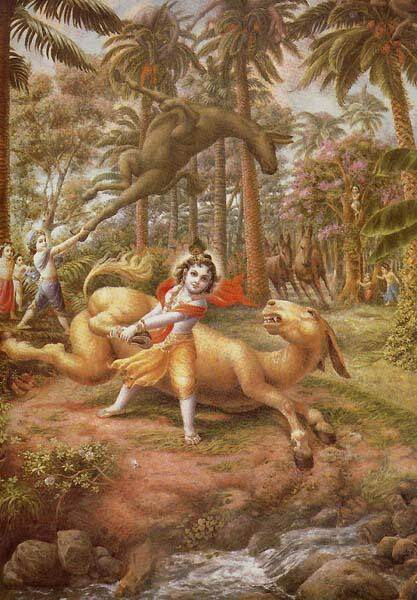
Dhenukāsura Vadham (Slaying the Donkey-Demon): Desiring to eat the sweet, fragrant tāla fruits from the Tālavanam forest, the cowherd boys were stopped by the fierce ass-demon, Dhenukāsura, who jealously guarded the grove. At the boys' request, Lord Balarāmā entered the forest and began shaking the trees, causing the ripe fruits to fall. When the enraged Dhenukāsura charged and attacked Him, Balarāmā effortlessly caught the demon by his hind legs, whirled him around until he perished, and threw his lifeless body into a tall palm tree. Kaṇṇaṉ and Balarāmā then vanquished the rest of the demon's kin, freeing the forest for all to enjoy the sweet fruits.

தாளவனம் என்ற காட்டில், மிகவும் இனிமையான மணமுள்ள தாளம் பழங்கள் இருந்தன. அந்தப் பழங்களைச் சாப்பிட இடைச் சிறுவர்கள் மிகவும் ஆசைப்பட்டார்கள். ஆனால், அந்தக் காட்டைப் பொறாமையுடன் பாதுகாத்து வந்த தேனுகாசுரன் என்ற கொடிய கழுதை அசுரன், அந்தச் சிறுவர்களை உள்ளே நுழைய விடாமல் தடுத்தான்.

சிறுவர்களின் வேண்டுகோளுக்கு இணங்க, பகவான் பலராமர் அந்தக் காட்டிற்குள் நுழைந்தார். அவர் மரங்களை பலமாக உலுக்க, நன்கு பழுத்த பழங்கள் கீழே கொட்டின. இதைக் கண்ட தேனுகாசுரன் மிகுந்த கோபம் கொண்டு, பலராமர் மீது பாய்ந்து தாக்கினான். ஆனால் பலராமரோ, மிகவும் சுலபமாக அந்த அசுரனின் பின்னங்கால்களைப் பிடித்துக்கொண்டார். பிறகு, அவன் உயிர் பிரியும் வரை அவனை வேகமாகச் சுழற்றி, அவனுடைய உயிரற்ற உடலை ஒரு உயரமான பனை மரத்தின் மீது தூக்கி வீசினார். அதன் பிறகு, கண்ணனும் பலராமரும் சேர்ந்து அந்த அசுரனின் உறவினர்கள் அனைவரையும் அழித்தார்கள். அனைவரும் அந்த இனிய பழங்களைச் சாப்பிட்டு மகிழ்வதற்காக அந்தக் காட்டை விடுவித்தார்கள்.

25

Kāliya Nardanam: Subduing the Serpent Kāliya

காளிய நர்த்தனம்: காளியன் என்ற பாம்பை அடக்கியது

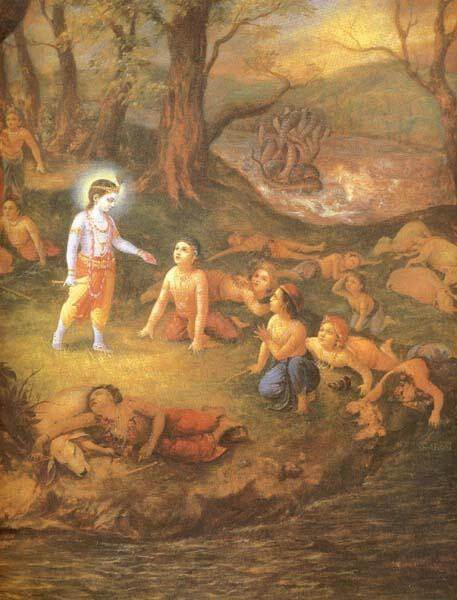
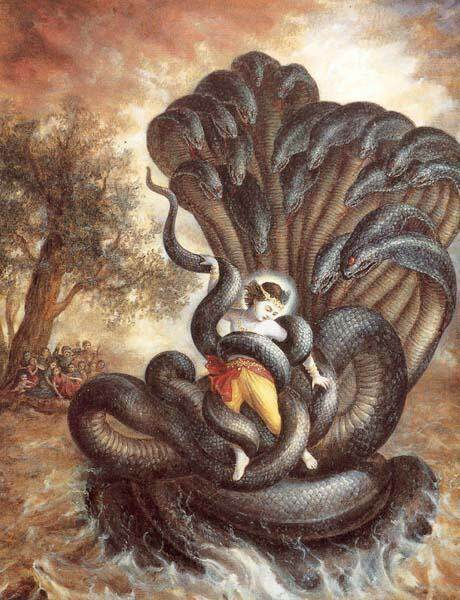
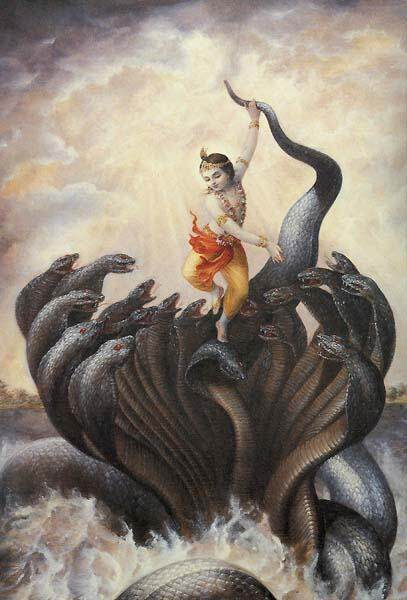
Kāliya Nardanam (Subduing the Serpent Kāliya): The multi-headed serpent Kāliya, in his great pride, had defied the divine eagle Garuḍa by stealing the offerings meant for him, thus inciting Garuḍa's wrath. To escape from the mighty Garuḍa, he took refuge in that specific pool of the Yamunā, as it was the only place on earth that Garuḍa was forbidden from entering due to a sage's curse. Kāliya had poisoned a deep pool in the Yamunā river, making its water deadly to all life. To purify it, the young Kaṇṇaṉ deliberately dove into the toxic pool and confronted the serpent king. After an initial struggle, the Lord easily broke free from the serpent's coils, leaped atop its many heads, and began to perform a magnificent and powerful divine dance. With his pride completely crushed by the rhythmic stomping of the Lord's lotus feet, Kāliya and his wives surrendered and offered prayers. Mercifully, Kaṇṇaṉ did not kill the serpent but banished him from the river, forever marking his heads with the divine imprint of His feet.

பல தலைகளைக் கொண்ட காளியன் என்ற பாம்பு, மிகுந்த கர்வத்துடன் இருந்தது. அது பெரிய திருவடியான கருடனுக்குப் படைக்கப்படும் நைவேத்யங்களைத் திருடியது. அதனால், கருடாழ்வானின் கோபத்திற்கு ஆளானது.

வலிமைமிக்க கருடனிடமிருந்து தப்பிக்க, அது யமுனை நதியில் இருந்த ஒரு குறிப்பிட்ட மடுவில் தஞ்சம் புகுந்தது. ஏனென்றால், ஒரு ரிஷியின் சாபத்தால், கருடனால் அந்த இடத்திற்கு மட்டும் வர முடியாது. காளியன் அந்த யமுனை மடுவில் தன்னுடைய கொடிய விஷத்தைக் கக்கி, அந்தத் தண்ணீரை உயிர்களுக்கு எமனாக மாற்றியிருந்தான்.

அந்த நச்சுத் தண்ணீரைத் தூய்மைப்படுத்த, பால கண்ணன் வேண்டுமென்றே அந்த விஷ மடுவில் குதித்தான். அவன் அந்தப் பாம்பு அரசனை எதிர்த்து நின்றான். ஆரம்பத்தில் சற்றுப் போராட்டம் இருந்தாலும், எம்பெருமான் எளிதாக அந்தப் பாம்பின் பிடியிலிருந்து விடுபட்டார். பிறகு, அதன் பல தலைகளின் மீது ஏறி நின்று, அற்புதமான, சக்திவாய்ந்த ஒரு தெய்வீகத் திருநடனத்தை (நர்த்தனம்) ஆடத் தொடங்கினார்.

பெருமாளின் தாமரைத் திருவடிகள் தாள லயத்துடன் மிதித்ததால், காளியனின் கர்வம் முழுவதும் நொறுங்கியது. காளியனும் அவனது மனைவிகளும் பகவானிடம் சரணடைந்து பிரார்த்தனை செய்தார்கள். கருணையுள்ள கண்ணன் அந்தப் பாம்பைக் கொல்லவில்லை. அதற்குப் பதிலாக, அந்த நதியை விட்டுப் போய்விடுமாறு கட்டளையிட்டான். அவனுடைய தலைகளில் தன்னுடைய திருவடிச் சுவடுகளை நிரந்தரமான முத்திரையாகப் பதித்து அருளினான்.

26

Dāvāgni Pānam: Swallowing the First Forest Fire

தாவாக்னி பானம்: முதல் காட்டுத் தீயை விழுங்கியது

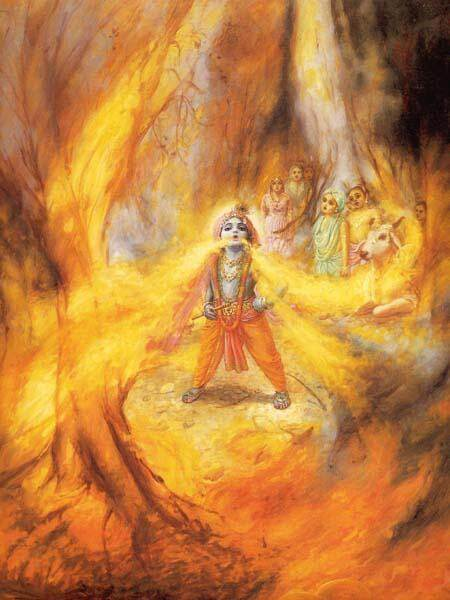
Dāvāgni Pānam (Swallowing the First Forest Fire): While playing deep in the forest, the cowherd boys and their animals were suddenly trapped by a raging forest fire. With massive flames closing in on all sides and seeing no escape, the terrified boys took complete shelter of Kaṇṇaṉ, crying out to Him as their only refuge. The Lord calmly instructed them to simply close their eyes. He then, displaying His inconceivable mystic power, opened His mouth and effortlessly swallowed the entire, devastating inferno, instantly delivering His devotees from certain death.

ஒருமுறை, கண்ணனும் அவனுடைய நண்பர்களான இடையர் சிறுவர்களும், தங்களுடைய பசுக்களுடன் காட்டின் வெகு ஆழத்தில் விளையாடிக் கொண்டிருந்தார்கள். அப்போது, திடீரென்று ஒரு பெரிய காட்டுத் தீ அவர்களைச் சுற்றி வளைத்துக்கொண்டது.

எல்லா பக்கங்களிலிருந்தும் நெருப்புப் பிழம்புகள் அவர்களை நெருங்கி வந்தன. தப்பித்துச் செல்ல வழியேதும் தெரியவில்லை. பயந்துபோன அந்தச் சிறுவர்கள், கண்ணனே தங்களுக்கு ஒரே புகலிடம் என்று அவனிடம் முழுமையாகச் சரணடைந்தார்கள். "கண்ணா, எங்களைக் காப்பாற்று!" என்று கதறினார்கள்.

பகவான் கண்ணன் அமைதியாக, "உங்கள் கண்களை மூடிக்கொள்ளுங்கள்" என்று அவர்களுக்குக் கட்டளையிட்டான். பிறகு, தன்னுடைய அளவிட முடியாத தெய்வீக சக்தியை வெளிப்படுத்தி, தனது திருவாயைத் திறந்து, அந்தப் பயங்கரமான காட்டுத் தீ முழுவதையும் மிக எளிதாக விழுங்கிவிட்டார். உடனடியாகத் தன்னுடைய பக்தர்களை அந்தப் பெரிய ஆபத்திலிருந்து காப்பாற்றினார்.

27

Pralambāsura Vadham: Slaying the Demon Pralamba

ப்ரலம்பாஸுர வதம்: ப்ரலம்பனை வதைத்த லீலை

Pralambāsura Vadham (Slaying the Demon Pralamba): While playing games with the cowherd boys in the forest, the demon Pralamba disguised himself as one of their friends. During a game where the losers had to carry the winners, Pralamba took Lord Balarāmā on his shoulders. He then attempted to abduct Him, running far away and revealing his true, gigantic demonic form. Lord Balarāmā, however, made Himself as heavy as a mountain, stopping the demon's flight. He then killed the demon with a single, mighty blow of His fist, shattering his head.

ஒருமுறை, பலராமரும் கண்ணனும் மற்ற கோப சிறுவர்களுடன் காட்டில் விளையாடிக் கொண்டிருந்தார்கள். அப்போது, ப்ரலம்பன் என்ற அசுரன் ஒரு சிறுவனைப் போல வேடம் பூண்டு அவர்களுடன் வந்து சேர்ந்துகொண்டான்.

அவர்கள் விளையாடிய விளையாட்டின்படி, தோற்றவர்கள் ஜெயித்தவர்களைத் தங்களது தோள்களில் தூக்கிக்கொண்டு செல்ல வேண்டும். அந்த விளையாட்டில், ப்ரலம்பன் பலராமர் பெருமானை தன் தோள்களில் ஏற்றிக்கொண்டான். பிறகு, அவரைக் கடத்திச் செல்லும் தீய நோக்கத்தில், அவரைத் தூக்கிக்கொண்டு வெகுதூரம் ஓட ஆரம்பித்தான். ஓடும்போதே, தனது உண்மையான, பிரம்மாண்டமான அசுர உருவத்தைக் காட்டினான்.

ஆனால், பலராமர் பெருமான் தனது திருமேனியை ஒரு பெரிய மலையைப் போல மிகவும் கனமானதாக ஆக்கிக்கொண்டார். அந்த பாரத்தைத் தாங்க முடியாமல், அசுரனின் வேகம் குறைந்து, அவனால் நகர முடியவில்லை. உடனே, பலராமர் பெருமான் தனது திருமுஷ்டியால் (கையால்) அந்த அசுரனின் தலையில் ஓங்கி ஒரே அடியில் அடித்தார். அந்த அடியிலேயே அவனது தலை சுக்குநூறாகி, அவன் அங்கேயே மாண்டு போனான்.

28

Swallowing the Second Forest Fire

இரண்டாவது காட்டுத்தீயை விழுங்கிய லீலை

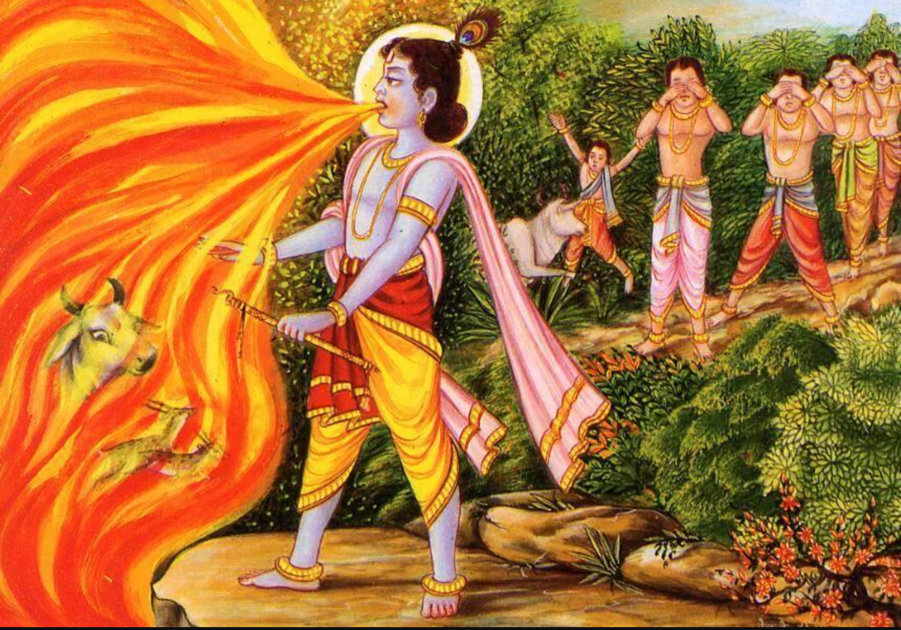
Swallowing the Second Forest Fire: One night, while Nanda Mahārāja, the Gopīs, and the cowherd men were resting in the forest, a fierce fire suddenly erupted from a bamboo grove and surrounded them. Awakening to the terrifying flames, the devotees were gripped with fear and took complete shelter of Kaṇṇaṉ as their only savior. Displaying His infinite power once again, the Lord effortlessly swallowed the entire raging forest fire, instantly rescuing His beloved devotees from the jaws of death.

ஒரு நாள் இரவு, நந்த மஹாராஜா, கோபிகள், மற்றும் மற்ற இடையர்கள் அனைவரும் காட்டில் ஓய்வெடுத்துக் கொண்டிருந்தார்கள். அப்போது, திடீரென்று ஒரு மூங்கில் கூட்டத்திலிருந்து பயங்கரமான காட்டுத்தீ பரவி, அவர்களைச் சுற்றி வளைத்துக் கொண்டது.

அந்தப் பயங்கரமான நெருப்பைப் பார்த்து கண்விழித்த பக்தர்கள் அனைவரும் மிகவும் பயந்து போனார்கள். தங்களைக் காப்பாற்ற கண்ணன் ஒருவனே புகலிடம் என்று எண்ணி, அவனுடைய திருவடிகளில் முழுமையாக சரணடைந்தார்கள்.

மீண்டும் தன்னுடைய எல்லையற்ற சக்தியை வெளிக்காட்டிய எம்பெருமான், கொழுந்துவிட்டு எரிந்த அந்த காட்டுத்தீ முழுவதையும் மிகவும் சுலபமாக விழுங்கிவிட்டார். இவ்வாறாக, மரணத்தின் பிடியிலிருந்து தன்னுடைய பிரியமான பக்தர்களை அவர் உடனடியாகக் காப்பாற்றினார்.

29

Herding the Cows: The Three Guṇas

பசுக்களை மேய்த்தல்

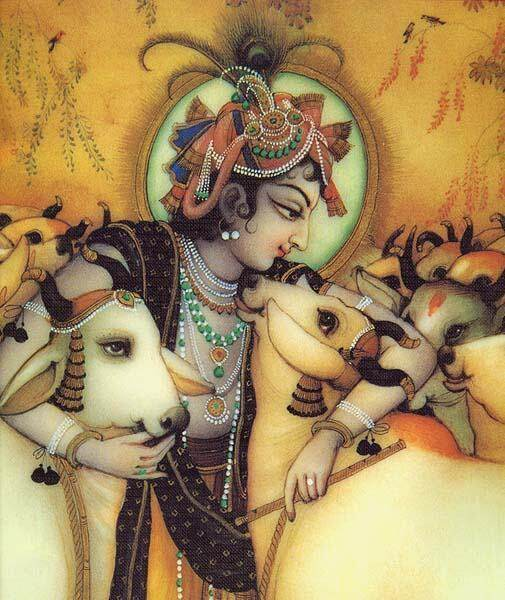
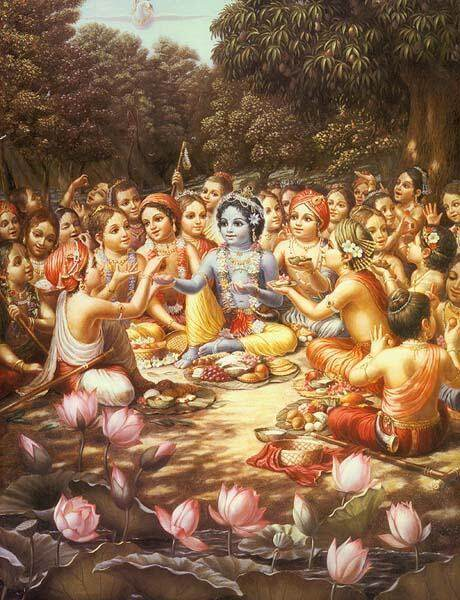
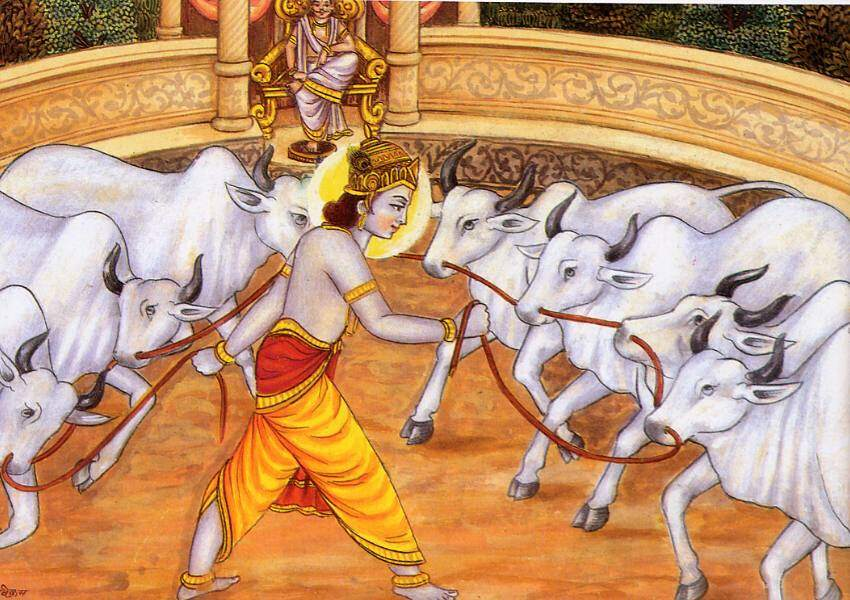
Herding the Cows: As Kaṇṇaṉ transitioned from infancy to boyhood, His primary daily activity became herding the cows of Vraja. Every morning, accompanied by Lord Balarāmā and their countless friends, He would lead the magnificent herds into the lush forests and pastures surrounding Govardhana Hill. These days were filled with joyful and carefree pastimes; the boys would play games, share picnics, and wrestle, all while Kaṇṇaṉ filled the air with the enchanting music of His flute, captivating the hearts of His friends and the devoted cows alike.

கண்ணன் குழந்தைப் பருவத்திலிருந்து சிறுவனாக வளர்ந்தபோது, அவனுடைய முக்கிய தினசரி வேலையாக வ்ரஜத்தின் பசுக்களை மேய்ப்பது அமைந்தது. ஒவ்வொரு நாளும் காலையில், பகவான் பலராமருடனும் எண்ணற்ற நண்பர்களுடனும் சேர்ந்து, அந்தப் பெரிய பசு மந்தைகளை கோவர்த்தன மலைக்கு அருகிலுள்ள பசுமையான காடுகளுக்கும் புல்வெளிகளுக்கும் ஓட்டிச் செல்வார்.

அந்த நாட்கள் எல்லாம் மகிழ்ச்சியான, கவலையற்ற லீலைகளால் நிறைந்திருந்தன. அந்தச் சிறுவர்கள் விளையாடுவார்கள், ஒன்றாக அமர்ந்து உணவு உண்பார்கள், மல்யுத்தம் செய்வார்கள். இந்த நேரமெல்லாம், கண்ணன் தனது புல்லாங்குழலால் மயக்கும் இசையை வாசித்து அந்த இடத்தையே நிரப்புவான். அந்த இசை அவனுடைய நண்பர்களின் இதயங்களையும், பக்தி நிறைந்த பசுக்களின் உள்ளங்களையும் ஒருங்கே கொள்ளை கொண்டது.

30

The Grace Shown to the Brāhmaṇas' Wives

ப்ராஹ்மணர்களின் மனைவியருக்கு காட்டிய கருணை

The Grace Shown to the Brāhmaṇas' Wives (Yajña-Patnīs): Feeling hungry while herding cows in the forest, Kaṇṇaṉ sent His friends to ask for food from a group of scholarly Brāhmaṇas performing a nearby sacrifice. The proud Brāhmaṇas, deeply engrossed in their complex rituals, ignored the boys completely. Kaṇṇaṉ then told His friends to go instead to the wives of the Brāhmaṇas. The moment the wives heard that Kaṇṇaṉ was nearby, they were overwhelmed with devotion. Ignoring the angry protests of their husbands, they immediately abandoned the sacrificial ceremony and rushed to the forest to lovingly offer the Lord the finest delicacies.

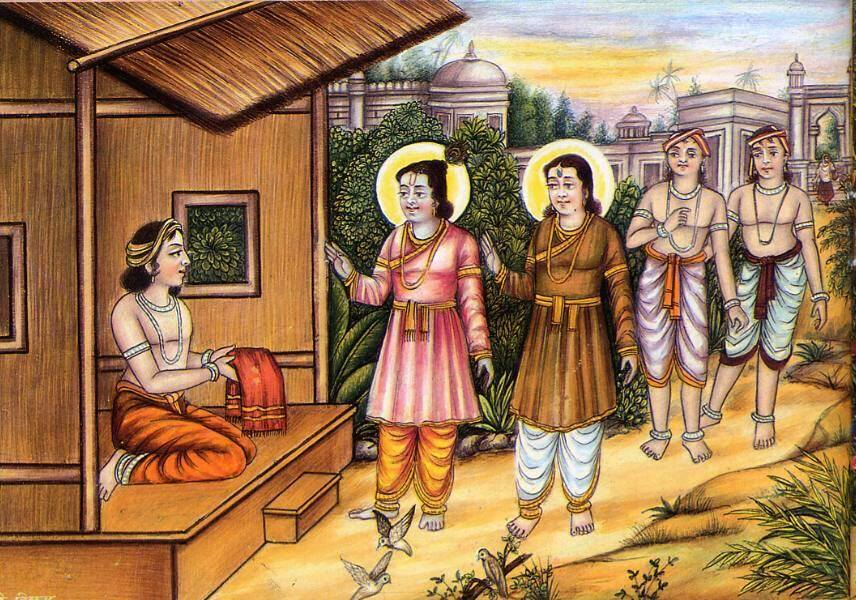
ஒரு நாள் காட்டில் மாடு மேய்த்துக் கொண்டிருந்தபோது, கண்ணனுக்கும் அவனது நண்பர்களுக்கும் பசித்தது. அவன் தன் நண்பர்களை அழைத்து, அருகில் யாகம் செய்து கொண்டிருந்த ஒரு கூட்டம் வித்வான் ப்ராஹ்மணர்களிடம் சென்று உணவு கேட்டுவரச் சொன்னான். ஆனால், கர்வத்துடன் தங்களின் சிக்கலான சடங்குகளில் ஆழ்ந்திருந்த அந்த ப்ராஹ்மணர்கள், அந்தச் சிறுவர்களைச் சற்றும் கண்டுகொள்ளவில்லை.

அப்போது கண்ணன், தன் நண்பர்களிடம், அந்த ப்ராஹ்மணர்களின் மனைவிகளிடம் சென்று கேட்கும்படி சொன்னான். கண்ணன் அருகில் இருக்கிறான் என்று கேட்ட மாத்திரத்தில், அந்த ப்ராஹ்மணப் பெண்களின் உள்ளத்தில் பக்தி பெருக்கெடுத்தது. அவர்கள் தங்கள் கணவன்மார்களின் கோபமான எதிர்ப்புகளைப் பொருட்படுத்தாமல், யாகச் சடங்குகளை உடனடியாகக் கைவிட்டு, மிகச் சிறந்த உணவு வகைகளுடன் பகவானுக்கு அன்புடன் சமர்ப்பிக்க காட்டுக்கு விரைந்தார்கள்.

31

Govardhana Giridhārī: Lifting Govardhana Hill

கோவர்தன கிரிதாரி: கோவர்தன மலையைத் தாங்கியவன்

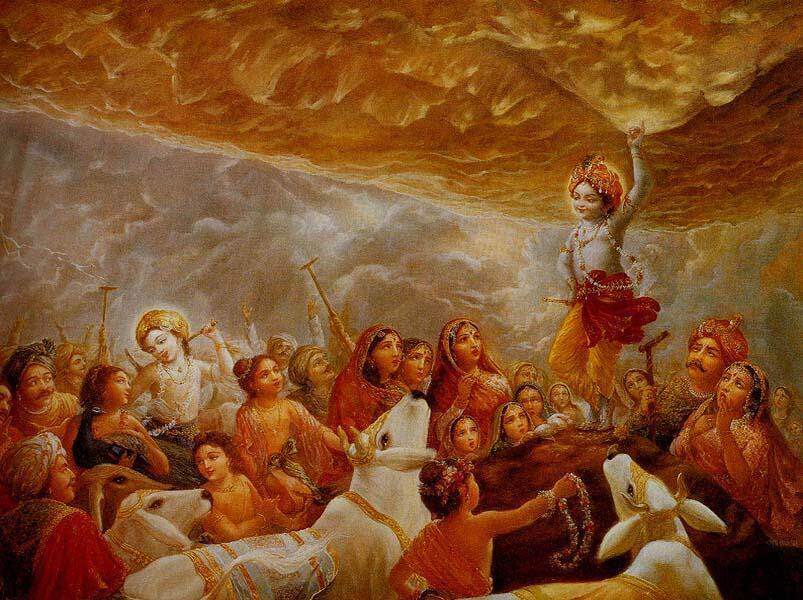
Govardhana Giridhārī (Lifting Govardhana Hill): Kaṇṇaṉ convinced the residents of Vraja to stop their traditional sacrifice to Indra, the king of the heavens, and instead use the offerings to worship the Govardhana Hill, the cows, and the brāhmaṇas. Enraged by this offense, Indra unleashed a cataclysmic storm with the intent to destroy the entire village. To protect His devotees from the torrential rain, the seven-year-old Kaṇṇaṉ effortlessly uprooted the massive Govardhana Hill, holding it aloft and turning it upside down like a great umbrella on the little finger of His left hand. All the people and animals of Vraja took shelter beneath the mountain for seven days and nights, completely safe and dry, until Indra's pride was finally humbled and the storm subsided.

ஆயர்பாடியில் வசிக்கும் மக்களுக்குக் கண்ணபிரான் ஒரு யோசனை சொன்னார். வழக்கமாக தேவர்களின் அரசனான இந்திரனுக்குச் செய்யும் யாகத்தை நிறுத்திவிட்டு, அந்தப் பூஜைக்கான பொருட்களைக் கொண்டு கோவர்தன மலைக்கும், பசுக்களுக்கும், பிராம்மணர்களுக்கும் பூஜை செய்யும்படி கூறினார்.

தன்னை அவமதித்ததால் கடுங்கோபம் கொண்ட இந்திரன், ஆயர்பாடி கிராமத்தையே முழுவதுமாக அழிக்கும் நோக்கத்தில் ஒரு பெரும் புயல் மழையை அனுப்பினான். அப்போது, தன் அடியார்களை அந்தக் கொடிய மழையிலிருந்து காப்பாற்றுவதற்காக, ஏழு வயது சிறுவனான கண்ணன், மிகப்பெரிய கோவர்தன மலையைச் சுலபமாகப் பெயர்த்தெடுத்தான். அதைத் தன் இடது கை சுண்டு விரலால் ஒரு பெரிய குடை போல தலைகீழாகத் தூக்கிப் பிடித்தான்.

ஆயர்பாடியின் எல்லா மக்களும், பசுக்களும் மற்ற விலங்குகளும் அந்த மலைக்குக் கீழே ஏழு நாட்கள் இரவு பகலாகப் பாதுகாப்பாக இருந்தார்கள். ஒரு சொட்டு மழை கூட அவர்கள் மேல் படவில்லை. இறுதியில், இந்திரனின் கர்வம் அடங்கியது; புயலும் நின்றது.

32

Rescuing Nanda Mahārāja from Varuṇa

வருணனிடமிருந்து நந்த மகாராஜாவை மீட்டருளியது

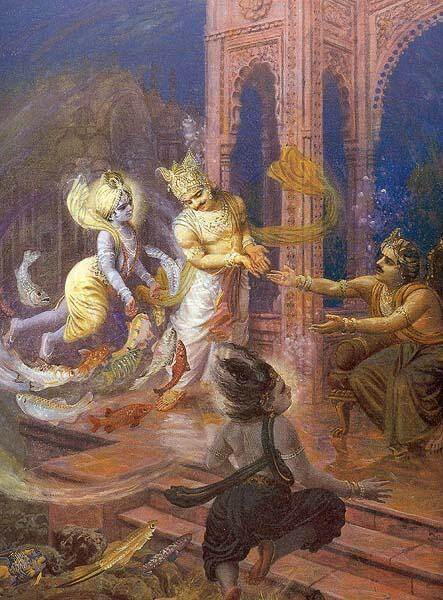
Rescuing Nanda Mahārāja from Varuṇa: One day, Nanda Mahārāja bathed in the Yamunā river at an inauspicious time, thus transgressing a scriptural injunction. As a result, a servant of Varuṇa, the demigod of the waters, arrested him and brought him to Varuṇa's celestial underwater kingdom. Hearing the pleas of the distressed cowherd men, Lord Kaṇṇaṉ personally went to the demigod's realm. Upon seeing the Supreme Lord arrive, Varuṇa was overwhelmed with devotion and begged for forgiveness for his servant's ignorant act, immediately releasing Nanda Mahārāja with great honor and worship.

ஒரு நாள், நந்த மகாராஜா யமுனை நதியில் தகாத நேரத்தில் நீராடினார். இது சாஸ்திர விதியை மீறிய ஒரு செயலாகும். அதன் விளைவாக, நீரின் அதிபதியான வருண பகவானின் சேவகன் ஒருவன், நந்த மகாராஜாவைப் பிடித்து நீருக்கடியில் இருந்த தனது தேவலோகத்திற்கு அழைத்துச் சென்றான்.

இதைக் கண்டு மிகுந்த துயருற்ற இடையர்கள், கண்ணன் எம்பெருமானிடம் வந்து முறையிட்டனர். அவர்களது அழுகுரலைக் கேட்ட பகவான் கண்ணன், தானே நேரில் வருணனின் உலகத்திற்கு எழுந்தருளினார். சர்வேச்வரனான பகவான் தன் இருப்பிடத்திற்கே வந்ததைக் கண்ட வருணன், பெரும் பக்தியுடன் அவரை வரவேற்றான். தன் சேவகன் அறியாமையால் செய்த தவறுக்காகப் பெரிதும் வருந்தி, பகவானிடம் மன்னிப்புக் கோரினான். உடனடியாக, நந்த மகாராஜாவை மிகுந்த மரியாதையுடனும், சிறப்பு பூஜைகள் செய்தும் கண்ணனிடம் ஒப்படைத்தான்.

33

Liberating Nanda Mahārāja from the Vidyādhara

வித்யாதரனிடமிருந்து நந்த மஹாராஜரை விடுவித்தது

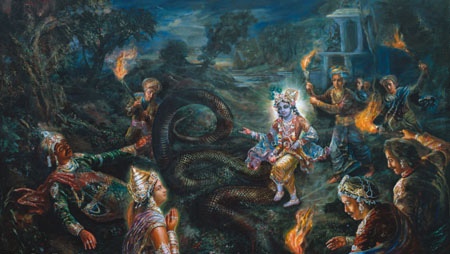
Liberating Nanda Mahārāja from the Vidyādhara: While Nanda Mahārāja and the other cowherd men were resting on a riverbank during a pilgrimage, a huge, hungry serpent appeared in the dead of night and began to swallow Nanda. The other men awoke and frantically tried to save him with flaming torches, but to no avail. Hearing His father's desperate cries for help, Lord Kaṇṇaṉ came to the spot and simply touched the great serpent with His divine lotus foot. Instantly, the serpent released Nanda and was transformed into a beautiful Vidyādhara, a celestial demigod, who had been living under a curse and was now liberated by the Lord's touch.

ஒருமுறை நந்த மஹாராஜரும் மற்ற ஆயர்களும் ஒரு புண்ணிய யாத்திரையின்போது, ஆற்றங்கரையில் ஓய்வெடுத்துக் கொண்டிருந்தார்கள். அப்போது, நடு இரவில், பசியுடன் இருந்த ஒரு பெரிய பாம்பு திடீரென்று தோன்றி, நந்த மஹாராஜரை விழுங்கத் தொடங்கியது.

இதைக் கண்டு விழித்துக் கொண்ட மற்ற ஆயர்கள், தீப்பந்தங்களைக் கொண்டு அவரைக் காப்பாற்றப் பெரிதும் முயன்றார்கள். ஆனால், அவர்களது முயற்சி பலிக்கவில்லை. தன் தந்தையின் அபயக் குரலைக் கேட்ட கண்ணபிரான், உடனே அந்த இடத்திற்கு ஓடி வந்தார். வந்து, அந்தப் பெரிய பாம்பைத் தனது திவ்யமான தாமரைத் திருவடியால் லேசாகத் தொட்டார்.

கண்ணன் தொட்ட மறுகணமே, அந்தப் பாம்பு நந்தரை விடுவித்தது. அதுமட்டுமல்ல, அது ஒரு சாபத்தின் கீழ் இருந்த அழகிய 'வித்யாதரன்' என்ற தேவ புருஷனாக உருமாறியது. எம்பெருமானுடைய திருவடி ஸ்பர்சத்தால் அவனுக்கு சாப விமோசனம் கிடைத்தது.

34

The Slaying of Śaṅkhacūḍa

சங்கசூடனைக் கண்ணன் வதைத்த லீலை

The Slaying of Śaṅkhacūḍa: During a night of festive pastimes in the forest, a wealthy Yakṣa (a celestial treasurer of Kuvera) named Śaṅkhacūḍa appeared and began to abduct the Gopīs, driving them away in fear. Hearing their desperate cries for help, Lord Kaṇṇaṉ immediately pursued the demon. With a single powerful blow of His fist, He struck off Śaṅkhacūḍa's head and retrieved the precious crest-jewel the demon wore. The Lord then lovingly presented this jewel to His elder brother, Balarāmā, in the presence of the rescued Gopīs.

காட்டில் ஒரு நாள் இரவு, எம்பெருமான் கண்ணன் கோபிகைகளுடன் சந்தோஷமாக ராஸலீலை செய்து கொண்டிருந்தார். எல்லோரும் ஆனந்தத்தில் மூழ்கியிருந்த அந்த நேரத்தில், சங்கசூடன் என்ற பெயருடைய ஒரு யக்ஷன் அங்கு தோன்றினான். அவன் குபேரனின் பொருளாளன், மிகுந்த செல்வம் படைத்தவன்.

அந்த யக்ஷன், திடீரென்று அங்குள்ள கோபிகைகளை பயமுறுத்தி, அவர்களைக் கடத்திக் கொண்டு வடக்கு திசையை நோக்கி ஓடத் தொடங்கினான். பயந்து போன கோபிகைகள், தங்களைக் காப்பாற்றும்படி, “கண்ணா! கோவிந்தா!” என்று உரக்கக் கூவி உதவிக்கு அழைத்தார்கள்.

கோபிகைகளின் அபயக் குரலைக் கேட்ட பகவான் கண்ணன், ஒரு கணமும் தாமதிக்காமல் அந்த யக்ஷனைத் துரத்திச் சென்றார். விரைந்து சென்று அவனைப் பிடித்த கண்ணன், தனது வஜ்ரம் போன்ற திருக்கையால் அவனது தலையில் ஓங்கி ஒரே ஒரு குத்து விட்டார். அந்த ஒரே அடியில், சங்கசூடனின் தலை அவன் உடலிலிருந்து தனியாகப் பிரிந்து விழுந்தது.

பிறகு, அவன் தலையில் அணிந்திருந்த விலைமதிப்பற்ற சூடாமணியை எம்பெருமான் எடுத்துக் கொண்டார். மீட்கப்பட்ட கோபிகைகள் அனைவரும் பார்த்துக் கொண்டிருக்கும்போதே, பகவான் அந்தச் சூடாமணியை மிகுந்த பிரியத்துடன் தனது தமையனாரான பலராமருக்கு அன்பளிப்பாக வழங்கினார்.

35

Ariṣṭāsura Vadham: Slaying the Bull-Demon

அரிஷ்டாஸுர வதம்: காளை வடிவில் வந்த அசுரனின் வதம்

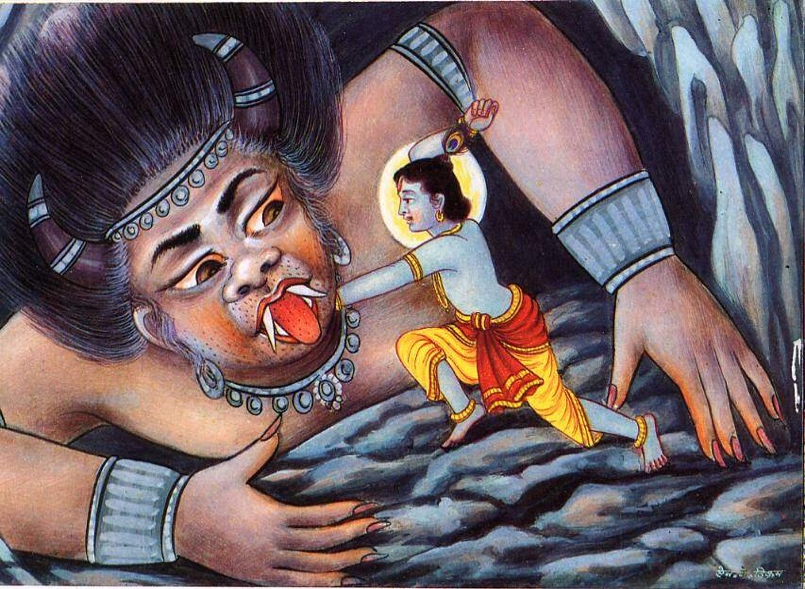
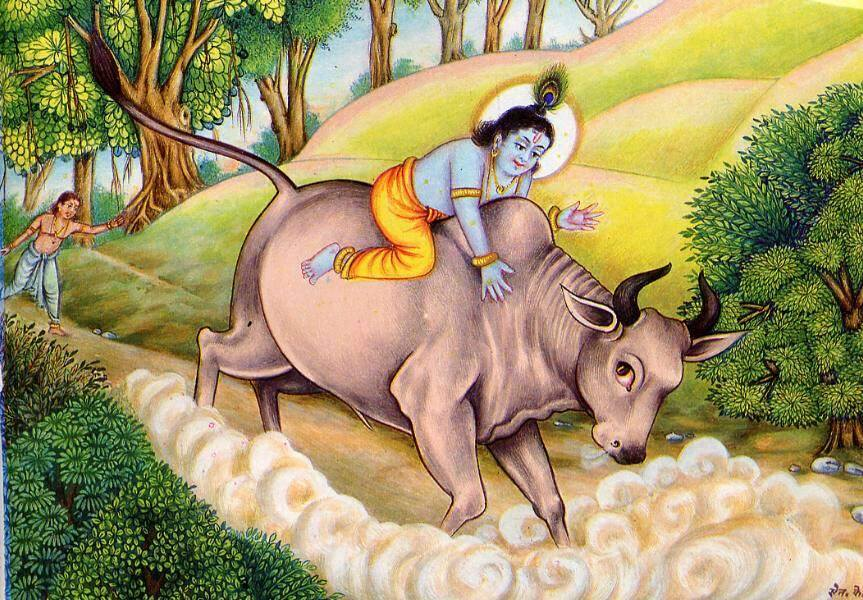
Ariṣṭāsura Vadham (Slaying the Bull-Demon): A demon named Ariṣṭāsura entered the village of Vraja in the form of a ferocious, giant bull with a massive hump and sharp horns. He terrorized the residents by tearing up the earth with his hooves and roaring menacingly. As the people cried out to Him for protection, Lord Kaṇṇaṉ calmly challenged the beast. When the bull charged at Him with full force, the Lord effortlessly caught him by the horns, overpowered him, and then, after ripping out one of the horns, used it as a weapon to kill the demon.

அரிஷ்டாஸுரன் என்ற ஒரு அசுரன், மிகக் கொடூரமான மற்றும் பெரிய காளையின் வடிவம் எடுத்து வ்ரஜபூமிக்குள் புகுந்தான். அவனுக்குப் பெரிய திமிலும் கூர்மையான கொம்புகளும் இருந்தன. அவன் தனது குளம்புகளால் பூமியையே பிளந்தும், பயங்கரமாகக் கர்ஜித்தும் அங்குள்ள மக்களை மிகவும் பயமுறுத்தினான். மக்கள் அனைவரும் தங்களைக் காப்பாற்றும்படி பகவான் கண்ணனிடம் வந்து கதறினார்கள்.

அப்போது, பகவான் கண்ணன் மிகவும் அமைதியாக அந்த மிருகத்திற்குச் சவால் விடுத்தான். அந்தக் காளை முழு பலத்துடன் கண்ணனை நோக்கிக் கோபமாகப் பாய்ந்து வந்தது. ஆனால் எம்பெருமான் சற்றும் சிரமமின்றி அதன் கொம்புகளைப் பிடித்துக்கொண்டான். பின்னர், அந்த அசுரனை எளிதாக அடக்கி, அவனது கொம்புகளில் ஒன்றைப் பிடுங்கி எடுத்தான். அந்தக் கொம்பையே ஆயுதமாகக் கொண்டு அந்த அசுரனைக் கொன்று வதம் செய்தான்.

36

Keśī Vadham: Slaying the Horse-Demon

கேசி வதம்: குதிரை அரக்கனின் வதம்

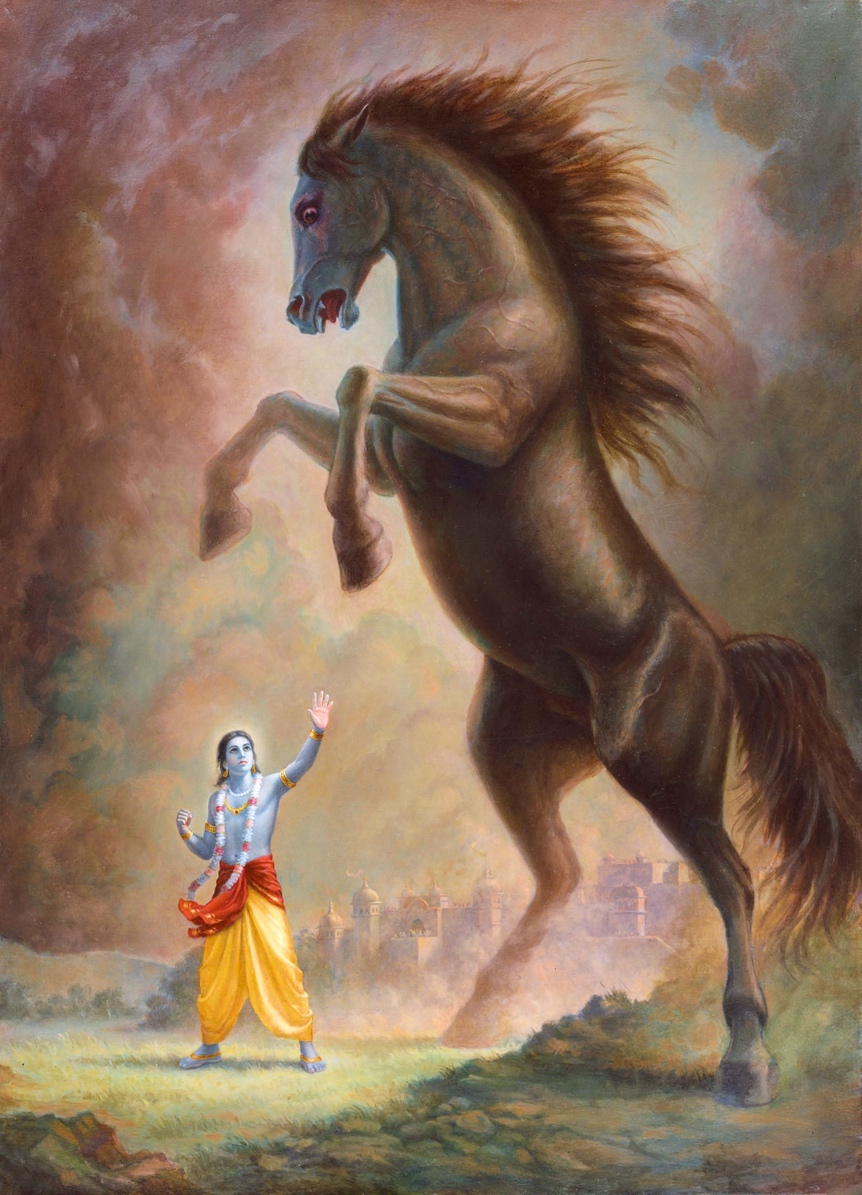
Keśī Vadham (Slaying the Horse-Demon): The mighty demon Keśī, sent by Kamsa, attacked the village of Vrindavan in the form of a colossal and ferocious horse, terrifying everyone. Lord Kaṇṇaṉ calmly accepted the demon's challenge and, as the horse charged with its mouth gaping open, He fearlessly thrust His arm deep inside. The Lord then caused His arm to expand to an immense size, completely blocking the demon's breath and choking him to death from within. For this act of slaying the Keśī demon, the Lord is celebrated by the name Keśava.

கம்ஸனால் அனுப்பப்பட்ட கேசி என்ற மிகவும் பலம் வாய்ந்த அசுரன், ஒரு மிகப் பெரியதும் மூர்க்கமானதுமான குதிரை வடிவம் எடுத்து பிருந்தாவனத்தைத் தாக்கினான். அவனது பயங்கரமான தோற்றத்தைக் கண்டு ஊர் மக்கள் அனைவரும் மிகவும் அஞ்சினார்கள். பகவான் கண்ணபிரான் அந்த அசுரனின் சவாலை மிகவும் அமைதியாக ஏற்றுக்கொண்டார்.

அந்தக் குதிரை அரக்கன், தன் வாயை மலைக்குகை போலப் பெரிதாகத் திறந்துகொண்டு கண்ணனை நோக்கிப் பாய்ந்து வந்தான். அப்போது, கண்ணபிரான் சிறிதும் பயமின்றித் தனது திருக்கையை அதன் வாய்க்குள் ஆழமாகச் செலுத்தினார். பிறகு, எம்பெருமான் தனது திருக்கையை உள்ளேயே மிகப் பிரம்மாண்டமாக வளரச் செய்தார். இதனால் அந்த அசுரனின் மூச்சுக்காற்று முற்றிலும் தடைபட்டு, உள்ளிருந்தே மூச்சுத்திணறி அவன் இறந்தான். கேசி என்ற அசுரனை வதம் செய்த இந்தச் செயலுக்காக, எம்பெருமான் கேசவன் என்ற திருநாமத்தால் போற்றிப் புகழப்படுகிறார்.

37

Vyomāsura Vadham: Slaying the Demon in the Sky

வ்யோமாஸுர வதம்

Vyomāsura Vadham (Slaying the Demon in the Sky): While playing a game of hide-and-seek on a mountain slope, the demon Vyomāsura disguised himself as a cowherd boy and joined in the fun. Taking on the role of the "thief" in the game, he began to actually steal the other boys one by one, carrying them off and imprisoning them in a large mountain cave, which he sealed with a boulder. Kaṇṇaṉ, understanding the demon's treacherous plot, confronted him, and after a fierce struggle, killed the demon. He then went to the cave, broke open the entrance, and joyfully rescued all of His frightened friends.

ஒரு சமயம், கண்ணனும் அவனுடைய நண்பர்களான கோபாலச் சிறுவர்களும் ஒரு மலையடிவாரத்தில் ஒளிந்து பிடித்து விளையாடிக் கொண்டிருந்தார்கள். அப்போது, வ்யோமாஸுரன் என்ற அசுரன் ஒரு கோபாலனைப் போல வேடம் பூண்டு, அவர்களுடன் விளையாட்டில் கலந்துகொண்டான்.

அந்த விளையாட்டில் ‘திருடன்’ வேடத்தை ஏற்றுக்கொண்ட அவன், உண்மையாகவே மற்ற சிறுவர்களை ஒவ்வொருவராகத் திருடத் தொடங்கினான். அவர்களைத் தூக்கிக்கொண்டு போய், ஒரு பெரிய மலைக் குகையில் அடைத்து, ஒரு பெரிய பாறாங்கல்லைக் கொண்டு அதன் வாசலை மூடிவிட்டான்.

அந்த அசுரனின் வஞ்சகமான திட்டத்தைக் கண்ணன் தன் திருவுள்ளத்தால் அறிந்துகொண்டார். உடனே அவனை எதிர்கொண்டார். அவனுடன் கடுமையாகப் போராடி, இறுதியில் அந்த அசுரனை வதம் செய்தார். பிறகு, அந்தக் குகைக்குச் சென்று அதன் வாசலை உடைத்துத் திறந்து, பயந்துபோயிருந்த தன் நண்பர்கள் அனைவரையும் மகிழ்ச்சியுடன் மீட்டார் எம்பெருமான்.

38

The Principle of Asura Vadham

அசுர வதத்தின் தத்துவம்

The Principle of Asura Vadham (Slaying of Demons): Śrīman Nārāyaṇa is like a divine touchstone. If one strikes a touchstone with a piece of iron, the iron itself turns to gold. Similarly, the asuras who came with the intent to kill Kṛṣṇa were purified by His divine touch and granted liberation. This demonstrates the supreme principle that anyone, regardless of their intention, will be delivered if they somehow make contact with the Lord.

ஸ்ரீமன் நாராயணன் ஒரு தெய்வீகமான பரிசமணி போன்றவன். பரிசமணி என்பது, தன் மீது பட்ட எந்த இரும்பையும் தங்கமாக மாற்றிவிடும் ஒரு அபூர்வமான கல் ஆகும்.

ஒரு இரும்புத் துண்டைக் கொண்டு அந்தப் பரிசமணியைத் தாக்கினாலும் கூட, அந்த இரும்பும் தங்கமாக மாறிவிடும் அல்லவா?

அதேபோலத்தான், கண்ணனைக் கொல்ல வேண்டும் என்ற கெட்ட எண்ணத்துடன் வந்த அசுரர்கள், பகவானுடைய திருமேனியில் பட்டார்கள். அந்த திவ்ய ஸ்பர்சத்தினால் (தெய்வீகமான தீண்டுதலால்) அவர்கள் பரிசுத்தமாகி, கடைசியில் மோக்ஷத்தையும் அடைந்தார்கள்.

இதிலிருந்து நாம் புரிந்துகொள்ள வேண்டிய உயர்ந்த தத்துவம் இதுதான்: ஒருவர் எந்த நோக்கத்துடன் பகவானிடம் வந்தாலும் சரி, அது நல்ல எண்ணமாக இருந்தாலும் சரி, கெட்ட எண்ணமாக இருந்தாலும் சரி, எப்படியாவது எம்பெருமானுடன் அவர்களுக்கு ஒரு ஸம்பந்தம் ஏற்பட்டுவிட்டால் போதும். அவர்கள் நிச்சயமாகக் கரையேற்றப்படுவார்கள். பகவானின் கருணைக்கு எல்லையே இல்லை.

மிக உயர்ந்த உண்மைகள்: சரணாகதியும் பகவானை அடைதலும்

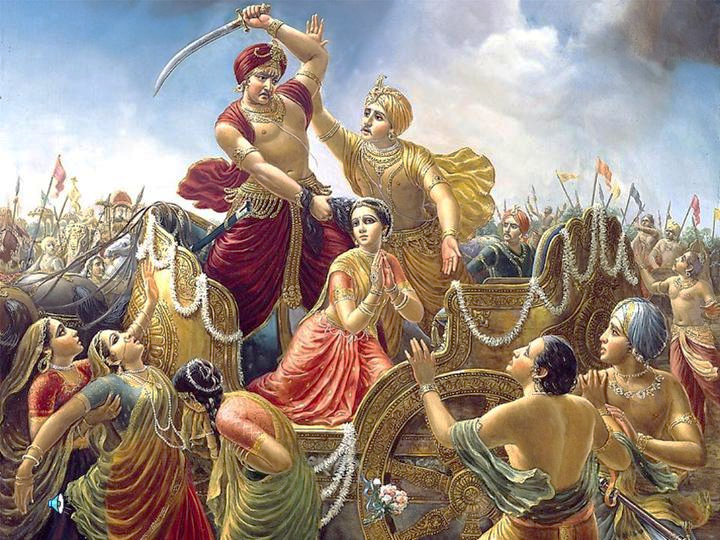
ஒரு சமயம், மிகவும் பக்திமானான ஒரு சிஷ்யன் தன் ஆசார்யரின் திருவடிகளைப் பணிந்து கேட்டான். "குருதேவா! இந்த ஸம்ஸாரக் கடலில் தத்தளிக்கும் அடியேனைப் போன்ற ஜீவாத்மாக்கள் கடைத்தேற, தெரிந்துகொள்ள வேண்டிய மிக உயர்ந்த உண்மைகள் யாவை? எம்பெருமானை அடைவதற்கான வழி என்ன?"

சிஷ்யனின் பணிவான கேள்வியைக் கேட்டு ஆசார்யரின் திருவுள்ளம் கனிந்தது. அவர் புன்னகையுடன் விளக்கத் தொடங்கினார்.

"குழந்தாய், நாம் தெரிந்துகொள்ள வேண்டிய மிக முக்கியமான, மிக உயர்ந்த உண்மைகள் இரண்டு. அவை இரண்டும் ஒன்றோடு ஒன்று தொடர்புடையவை. முதல் உண்மை, சரணாகதி. இரண்டாவது உண்மை, பகவானுடன் ஐக்யமாகி நித்ய கைங்கர்யம் செய்தல்."

முதல் உண்மை: சரணாகதி (முழுமையான அடைக்கலம்)

ஆசார்யர் ஒரு அழகான உதாரணத்தைச் சொன்னார். "ஒரு பெரிய திருவிழாக் கூட்டத்தில் ஒரு சின்னக் குழந்தை தன் தாயைப் பிரிந்து தொலைந்துவிட்டது என்று வைத்துக்கொள். அந்தக் குழந்தைக்குத் தானே வழிகண்டுபிடித்து தாயிடம் செல்ல முடியுமா? முடியாது. அதன் பலம் அதற்கு உதவாது. அதன் அறிவு அதற்கு உதவாது. அது என்ன செய்யும்?"

"அது 'அம்மா!' என்று தன் முழு பலத்தையும் திரட்டிக் கதறி அழும். 'என் தாயைத் தவிர எனக்கு வேறு கதியில்லை, அவள்தான் என்னைக் காப்பாற்ற வேண்டும்' என்ற முழு நம்பிக்கையுடன் அது கதறும். அந்தக் குழந்தையின் அழுகுரலைக் கேட்டவுடன், தாய் எங்கிருந்தாலும் ஓடோடி வந்து குழந்தையை வாரி அணைத்துக் கொள்வாள்."

ஆசார்யர் தொடர்ந்தார், "அதே போலத்தான், நாமும் இந்த ஸம்ஸாரம் என்கிற பெரிய கூட்டத்தில் தொலைந்து போன குழந்தைகள். நம்முடைய சொந்த முயற்சிகளால், அதாவது கர்ம, ஞான, பக்தி யோகங்களால் மட்டுமே நம்மைக் காப்பாற்றிக்கொண்டு பகவானை அடைய முடியாது. நாம் மிகவும் பலவீனமானவர்கள். எனவே, நாம் செய்ய வேண்டியது ஒன்றே ஒன்றுதான்."

"அந்தக் குழந்தையைப் போல, 'ஸ்வாமி! ஸ்ரீமன் நாராயணனே! நீர்தான் என் தாய், தந்தை, குரு, தெய்வம் எல்லாம். உமது திருவடிகளைத் தவிர எனக்கு வேறு புகலிடம் இல்லை. அடியேன் ஒன்றும் அறியாதவன். என்னைக் காப்பாற்றும் பாரம் உம்முடையது' என்று முழு மனதுடன், நம்மையே எம்பெருமானிடம் ஒப்படைக்க வேண்டும். நம்முடைய பாரத்தை எல்லாம் அவனுடைய திருவடிகளில் இறக்கி வைத்துவிட வேண்டும். இந்த முழுமையான அடைக்கலத்திற்கே சரணாகதி என்று பெயர். இதுவே முதல் உயர்ந்த உண்மை."

இரண்டாவது உண்மை: பகவானை அடைதல் (நித்ய கைங்கர்யம்)

"சரி, இப்போது இரண்டாவது உண்மையைப் பார்ப்போம்," என்றார் ஆசார்யர்.

"கூட்டத்தில் தொலைந்த குழந்தையைத் தாய் கண்டுபிடித்தவுடன் என்ன செய்வாள்? 'நீ பத்திரமாக இருக்கிறாய், இனி நீயே வீட்டுக்குப் போ' என்று சொல்லிவிட்டுப் போய்விடுவாளா? மாட்டாள். அவள் குழந்தையைத் தன் நெஞ்சோடு அணைத்து, உச்சி முகர்ந்து, தன் இல்லத்திற்கு அழைத்துக் செல்வாள். அங்கே அந்தக் குழந்தை தன் தாயின் அரவணைப்பில், அவளுக்குப் பிரியமான சிறிய சேவைகளைச் செய்து கொண்டு என்றென்றும் ஆனந்தமாக இருக்கும்."

"அதுபோலவே, நாம் எம்பெருமானிடம் சரணாகதி செய்தவுடன், அந்தப் பரம கருணையாளனான பகவான் நம்மை ஏற்றுக்கொள்கிறான். அவன் நம்முடைய பாவங்களை எல்லாம் போக்கி, இந்த ஸம்ஸாரத் துயரங்களிலிருந்து நம்மை விடுவிக்கிறான். அதோடு அவன் நம்மை விட்டுவிடுவதில்லை. அவன் நம்மைத் தன்னுடைய மேலான இருப்பிடமான ஸ்ரீவைகுண்டத்திற்கு அழைத்துச் செல்கிறான்."

"அங்கே, அந்த ஜீவாத்மா பகவானோடு கரைந்து மறைந்து போவதில்லை. மாறாக, பகவானைப் போன்ற திவ்யமான ரூபத்தைப் பெற்று, பெரிய திருவடியான கருடனும், திருவநந்தாழ்வானும் செய்வது போல, எம்பெருமானுக்கும் ஸ்ரீமஹாலக்ஷ்மி தாயாருக்கும் பிரியமான தொண்டுகளை (கைங்கர்யம்) என்றென்றும் செய்து கொண்டே பேரானந்தத்தில் திளைத்திருக்கும். இப்படி பகவானுடன் பிரிவே இல்லாமல் இருந்து, அவனுக்கு அன்புத் தொண்டு செய்வதே உண்மையான ஐக்யம். இதுவே ஜீவாத்மாவின் இறுதி லட்சியம். இதுவே இரண்டாவது உயர்ந்த உண்மை."

இந்த எளிய விளக்கத்தைக் கேட்ட சிஷ்யனின் கண்களில் ஆனந்தக் கண்ணீர் வழிந்தது. சரணாகதி எனும் எளிய வழியையும், நித்ய கைங்கர்யம் எனும் இனிய பயனையும் தெளிவாகப் புரிந்துகொண்டான். தன் ஆசார்யரின் திருவடிகளில் மீண்டும் ஒருமுறை விழுந்து வணங்கி, தன் நன்றியைத் தெரிவித்துக் கொண்டான். சரி இப்போது லீலைகளை தொடர்ந்து பார்போம்.
39

Veṇu Gānam: The Divine Flute Song

வேணு கானம்

Veṇu Gānam: When Lord Kaṇṇaṉ played His divine flute in the forests of Vrindavan, the enchanting melodies acted as an irresistible call of love to all of creation. Upon hearing the transcendental sound, the Gopīs would abandon all their worldly duties and attachments, running madly into the forest to be with Him. The music was so powerful that it mesmerized all of nature: rivers would stop flowing, animals would stand motionless with tears of joy, and even inanimate trees would weep nectar in ecstasy.

பகவான் ஸ்ரீ கிருஷ்ணன் பிருந்தாவனத்தின் காடுகளில் தனது தெய்வீகப் புல்லாங்குழலை வாசித்தபோது, அதிலிருந்து எழுந்த மனதை மயக்கும் இசை, படைப்பில் உள்ள அனைத்து உயிர்களுக்கும் தவிர்க்க முடியாத ஒரு அன்பின் அழைப்பாக அமைந்தது. அந்த தெய்வீக இசையைக் கேட்டவுடன், கோபியர்கள் தங்கள் உலகக் கடமைகள், பந்தங்கள் என அனைத்தையும் துறந்து, பகவானுடன் இருப்பதற்காகக் காட்டை நோக்கிப் பைத்தியம் பிடித்தவர்களைப் போல ஓடினார்கள். அந்த இசை மிகவும் சக்தி வாய்ந்ததாக இருந்தது. அது இயற்கையையே மெய்மறக்கச் செய்தது. நதிகள் ஓடுவதை நிறுத்தின; விலங்குகள் ஆனந்தக் கண்ணீருடன் அசைவற்று நின்றன; உயிரற்ற மரங்கள் கூடப் பரவசத்தில் அமிர்தத்தை வடித்தன.

40

Gopī Vastrāpaharaṇam: Stealing the Gopīs' Clothes

கோபீ வஸ்த்ராபஹரணம்: கோபியர்களின் ஆடைகளைக் கவர்தல்

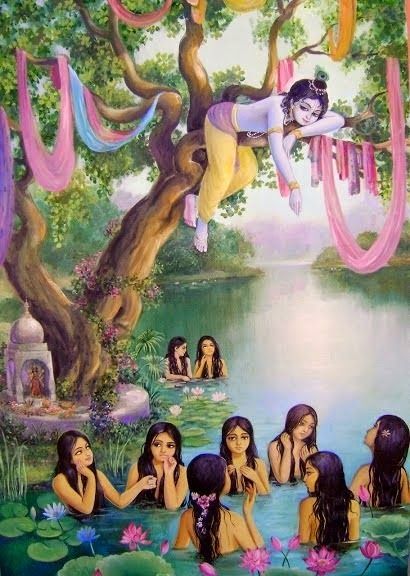
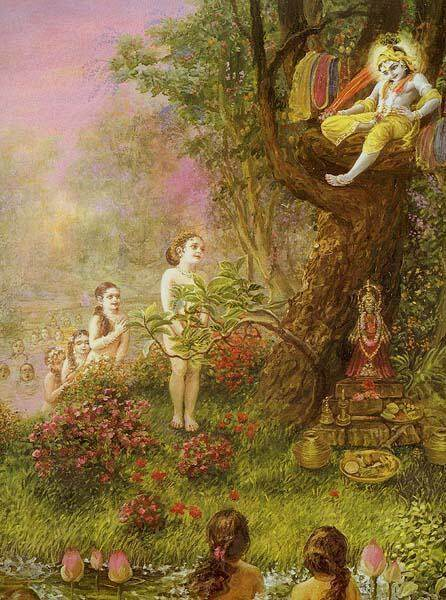
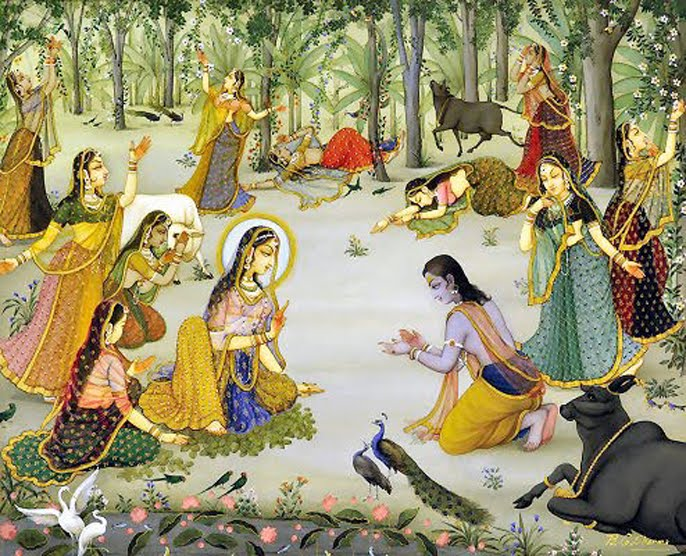
Gopī Vastrāpaharaṇam (Stealing the Gopīs' Clothes): As the young, unmarried Gopīs were performing a special religious vow to obtain Kaṇṇan as their husband, they left their garments on the bank of the Yamunā river while they bathed. The Lord, knowing the pure desire of their hearts, playfully stole all their clothes and climbed a nearby Kadamba tree. He then lovingly instructed the shivering Gopīs to come out of the water and approach the tree with their hands joined in supplication to retrieve their garments. Pleased with their humble act of complete surrender, He returned their clothes and promised to fulfill their heart's desire.

இளம் வயது கன்னிப் பெண்களான கோபியர்கள், கண்ணனைத் தங்கள் கணவனாக அடைய வேண்டும் என்பதற்காக ஒரு விசேஷ விரதத்தை அனுஷ்டித்து வந்தனர். அவர்கள் யமுனை நதியில் நீராடும்போது, தங்கள் ஆடைகளைக் கரையில் கழற்றி வைத்திருந்தார்கள். அவர்களது உள்ளத்தின் தூய ஆசையை அறிந்திருந்த பகவான், ஒரு திருவிளையாடலாக அவர்களுடைய ஆடைகள் அனைத்தையும் திருடிக்கொண்டு, அருகிலிருந்த ஒரு கதம்ப மரத்தின் மீது ஏறிக்கொண்டார். பின்னர், குளிரில் நடுங்கிக்கொண்டிருந்த கோபியர்களிடம், தண்ணீரிலிருந்து வெளியே வந்து, தங்கள் ஆடைகளைப் பெற்றுக்கொள்ள கைகளைக் கூப்பி வணங்கியபடி மரத்தருகே வருமாறு அன்புடன் கூறினார். அவர்களுடைய பணிவான, முழுமையான சரணாகதியைக் கண்டு மகிழ்ந்த அவர், அவர்களுடைய ஆடைகளைத் திருப்பிக் கொடுத்து, அவர்களுடைய மன விருப்பத்தை நிறைவேற்றுவதாகவும் உறுதியளித்தார்.

41

Autumn in Vrindāvan: An Allegory of the Prepared Soul

பிருந்தாவனத்தில் சரத் காலம்

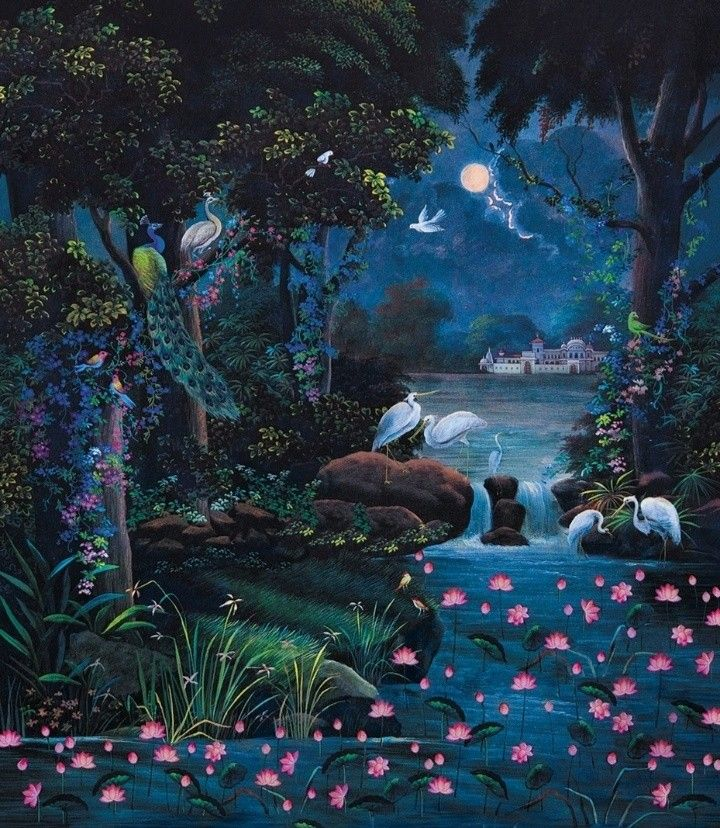
Autumn in Vrindāvan: As the rainy season ended, the season of autumn (Śarad) commenced, and with it, nature transformed into a state of pristine beauty.

The Sky and Clouds: The sky became perfectly clear, free from all clouds. The shining, white clouds, having exhausted their watery wealth by raining upon the earth, gracefully departed from the atmosphere. This is compared to the wise who, having acquired supreme wisdom, renounce all worldly attachments and depart from their homes, their purpose fulfilled.

The Moon and Stars: The moon shone with an undiminished, brilliant orb in the bright, starry sky. This celestial radiance is likened to a saintly being who has reached the final stage of bodily existence and now resides in the holy company of the pious. The moon's cool rays gently alleviated the residual heat of the sun, just as discrimination and wisdom alleviate the pain born from egotism.

The Waters: The rivers and lakes, once turbid from the monsoon, became exceptionally clear and pure. The Purāṇa states that the waters were as pellucid as the minds of the wise who behold Viṣṇu in all things. Adorned with blooming white water-lilies, the pristine waters reflected the minds of the pure, which are embellished by the apprehension of divine truth.

The State of the Earth and Its Creatures: The entire landscape and its inhabitants reflected this transition from the turbulence of the rains to the tranquility of autumn.

The Lakes and Rivers: The waters slowly and gracefully receded from their banks, shrinking from the land. This is compared to the wise who, by degrees, withdraw from the selfish attachments that bind them to family and possessions. The lakes, partially evaporated by the autumnal sun, were likened to the hearts of men that are withered by the touch of selfishness.

The Creatures: The small Śapharī fish, now in shrinking pools of warm water, were distressed, much like a man attached to his family is oppressed by his own selfish desires. In the forests, the peacocks, no longer animated by the passion of the mating season, fell silent. They are compared to holy saints who, having realized the unreality and fleeting nature of the material world, become tranquil and introspective. The swans, which had departed during the rains, began to return to the lakes, but their congregations were compared to false ascetics whose devotions are interrupted and who are once again assailed by worldly afflictions.

The Ocean: Even the great ocean was still and calm, without any undulations on its surface. This tranquility is compared to that of a perfect sage who has completed his entire course of self-restraint and has acquired a state of profound and undisturbed spiritual peace. SB 10.31

வர்ஷா காலம் என்று சொல்லப்படும் மழைக்காலம் முடிவடைந்தது. அதன்பிறகு, சரத் காலம் என்னும் அழகிய பருவம் தொடங்கியது. இந்தக் காலம் வந்தவுடன், இயற்கை முழுவதும் ஒரு தெய்வீகமான, மிகவும் பரிசுத்தமான அழகைப் பெற்றது.

வானமும் மேகங்களும்

மேகங்கள் எதுவுமில்லாமல், வானம் மிகவும் தெளிவாகவும் நிர்மலமாகவும் இருந்தது.

பிரகாசமான வெண்மேகங்கள், தங்களிடம் இருந்த நீர் என்னும் செல்வத்தை எல்லாம் பூமிக்கு மழையாகக் கொடுத்துவிட்டு, அமைதியாக வானிலிருந்து விலகிச் சென்றன. தங்கள் கடமையைச் செய்து முடித்த திருப்தியில் அவை சென்றது போல இருந்தது.

இந்த நிகழ்வு, பரம ஞானத்தை அடைந்த ஞானிகளுக்கு ஒப்பாகச் சொல்லப்படுகிறது. தங்கள் கடமையைச் செய்து முடித்த மேகத்தைப் போலவே, அந்த ஞானிகளும் தங்கள் நோக்கம் நிறைவேறியதும், உலகப் பற்றுக்கள் அனைத்தையும் முற்றிலுமாகத் துறந்து, தங்கள் இல்லறத்தை விட்டுப் புறப்பட்டு விடுகிறார்கள்.

நிலவும் விண்மீன்களும்

விண்மீன்கள் நிறைந்திருந்த ஒளிமிக்க வானத்தில், பூரண சந்திரன் தன் ஒளி குன்றாமல் பிரகாசித்தான். இந்த தெய்வீகக் காட்சிக்கு ஒரு அழகான உவமை சொல்லப்படுகிறது. தன் உடலுடன் வாழும் இறுதிக் கட்டத்தை அடைந்த ஒரு புண்ணிய ஆத்மா, மற்ற பாகவதர்களின் கோஷ்டியில் சேர்ந்து ஜொலிப்பதைப் போலவே அந்த நிலவும் ஜொலித்தது.

பகல் நேரத்து சூரியனால் ஏற்பட்ட வெப்பத்தை, நிலவின் குளிர்ந்த கதிர்கள் மென்மையாகத் தணித்தன. அதைப் போலவே, ஒருவருக்கு விவேகமும் ஞானமும் ஏற்படும்போது, அகங்காரத்தால் உண்டாகும் துன்பங்கள் நீங்கிவிடுகின்றன.

தெளிந்த நீர்

மழைக்காலத்தில் கலங்கி இருந்த ஆறுகளும் ஏரிகளும், இப்போது மிகவும் தெளிவாகவும் தூய்மையாகவும் மாறின.

எல்லாவற்றிலும் எம்பெருமானாகிய விஷ்ணுவைக் காணும் ஞானிகளின் மனதைப் போல அந்த நீர் மிகத் தெளிவாக இருந்தது என்று புராணம் வர்ணிக்கிறது.

மேலும், மலர்ந்த வெண் அல்லி மலர்களால் அலங்கரிக்கப்பட்ட அந்தத் தூய்மையான நீர், பகவானைப் பற்றிய தெய்வீக உண்மைகளை உணர்ந்ததால் அழகுபெற்ற தூய பக்தர்களின் மனதைப் பிரதிபலிப்பது போலக் காட்சி அளித்தது.

பூலோகத்தின் நிலையும் அதன் ஜீவராசிகளின் நிலையும்

மழைகாலத்தின் சீற்றமும் ஆரவாரமும் அடங்கி, அமைதி நிறைந்த சரத் காலம் தொடங்கியது.

இந்த அருமையான மாற்றத்தை, இந்த பூலோகம் முழுவதும் உள்ள நிலப்பரப்பும், அதில் வாழும் அனைத்து ஜீவராசிகளும் தங்களின் செயல்கள் மூலம் அழகாக வெளிப்படுத்தின.

ஏரிகளும் நதிகளும்

நீர்நிலைகளில் இருந்த தண்ணீர், மெதுவாகவும் அழகாகவும் தன் கரைகளில் இருந்து உள்வாங்கியது. நிலப்பரப்பில் இருந்து அது மெல்ல மெல்ல சுருங்கி விலகியது.

இந்தக் காட்சியானது ஞானிகளுக்கு ஒப்பிடப்படுகிறது. எப்படி ஞானிகள், தங்களைப் பந்தப்படுத்தும் குடும்பம் மற்றும் உடைமைகள் மீதான சுயநலப் பற்றுகளில் இருந்து படிப்படியாக விலகுகிறார்களோ, அதைப் போலவே இந்த நீரும் கரைகளிலிருந்து விலகியது.

அதுபோலவே, இலையுதிர்கால சூரியனின் வெப்பத்தால் ஓரளவு வற்றிப்போன ஏரிகள், ‘சுயநலம்’ என்ற உணர்வின் தீண்டுதலால் வாடிப்போன மனிதர்களின் இதயங்களுக்கு ஒப்பிடப்பட்டன.

ஜீவராசிகளின் நிலை

வெப்பமான நீர்நிலைகள் வற்றத் தொடங்கியதால், அதில் இருந்த சிறிய ஷபரீ என்ற மீன்கள் மிகவும் துன்பப்பட்டன. இது எதைப் போல இருந்தது என்றால், தன் குடும்பத்தின் மீது அதிகப் பற்று வைத்த ஒருவன், தன்னுடைய சுயநலமான ஆசைகளாலேயே துன்பப்படுவது போல இருந்தது. அவனுடைய ஆசைகளே அவனுக்குச் சிறைச்சாலையாக மாறிவிடுகிறது.

காடுகளில் இருந்த மயில்கள், மழைக்காலத்திற்கு உரிய ஆட்டத்தையும் அகவுதலையும் நிறுத்தி அமைதியாகிவிட்டன. இது உண்மையான ஞானிகளுக்கு ஒப்பாகச் சொல்லப்படுகிறது. அந்த ஞானிகள், இந்த உலக வாழ்க்கை நிலையற்றது, இதில் உள்ள இன்பங்கள் எல்லாம் நிரந்தரமல்ல என்பதைத் தெளிவாக உணர்ந்து கொள்வார்கள். அப்படி உணர்ந்த பிறகு, அவர்கள் மிகவும் அமைதியாகி, எப்பொழுதும் தங்களுக்குள்ளேயே இருக்கும் பகவானை த்யானம் செய்யத் தொடங்கிவிடுவார்கள்.

மழைக் காலத்தின்போது வேறு இடங்களுக்குச் சென்ற அன்னப்பறவைகள், இப்போது கூட்டம் கூட்டமாகத் தங்கள் ஏரிகளுக்குத் திரும்ப வரத் தொடங்கின. ஆனால், இந்தக் காட்சி ஒரு வருத்தமான விஷயத்திற்கு ஒப்பிடப்படுகிறது. சில பேர் துறவிகள் போல வேடமிட்டு, கொஞ்ச காலம் பக்தி செய்வார்கள். ஆனால், அவர்களுடைய பக்தி நிலைக்காது. உலக ஆசைகள் மீண்டும் அவர்களைத் தாக்கும்போது, அவர்கள் தங்கள் பக்தியை விட்டுவிட்டு மீண்டும் பழைய உலக வாழ்க்கையின் துன்பங்களுக்குத் திரும்பிவிடுவார்கள். இந்த அன்னக் கூட்டங்களின் வருகை, அப்படிப்பட்டவர்களின் நிலையைப் போலவே இருந்தது.

சமுத்திரத்தின் சாந்தம்

அந்தப் பெரிய கடல்கூட, தன் மேலே ஒரு சிறு அலையும் இல்லாமல், சலனமற்று மிகவும் அமைதியாக இருந்தது.

இந்த அமைதியானது, ஒரு பரிபூரண ஞானியின் நிலைக்கு ஒப்பிடப்படுகிறது. அந்த ஞானியானவர், தன்னுடைய புலனடக்க முயற்சிகள் அனைத்தையும் வெற்றிகரமாக முடித்து, ஆழமானதும் சற்றும் கலக்கமில்லாததுமான ஆத்ம சாந்தியை அடைந்திருப்பார்.

அப்படிப்பட்ட ஞானியின் உள்ளத்தைப் போலவே, அந்த சமுத்திரமும் அமைதியாகக் காட்சி அளித்தது.

(ஸ்ரீமத் பாகவதம் 10.31)

42

Rāsa Līlā: The Divine Dance

ராச லீலை: தெய்வீகத் திருநடனம்

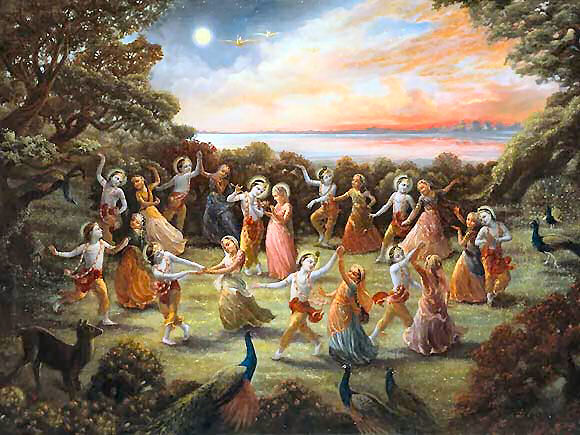
Rāsa Līlā (The Divine Dance): On a beautiful full-moon autumn night, Lord Kaṇṇaṉ played His flute, and the Gopīs of Vraja, hearing His irresistible call of love, abandoned their homes and worldly duties to join Him in the forest. After testing their devotion, He began the divine dance, but then suddenly disappeared to intensify their love and longing. After a period of desperate searching during which the Gopīs sang of their love in separation, the Lord reappeared in their midst. He then miraculously expanded Himself into numerous forms, positioning Himself between every two Gopīs so that each devotee felt she was dancing exclusively with her beloved Lord in the great, celestial circle dance that continued through the night.

அழகான ஒரு சரத்கால பௌர்ணமி இரவில், பகவான் கண்ணபிரான் தனது புல்லாங்குழலை வாசித்தார். வ்ரஜ பூமியின் கோபியர்கள், அவருடைய அன்பின் அழைப்பைத் தவிர்க்க முடியாமல் கேட்டதும், தங்கள் இல்லங்களையும், உலகக் கடமைகளையும் துறந்து, அவரைக் காண்பதற்காகக் காட்டிற்கு ஓடோடி வந்தார்கள். அவர்களுடைய பக்தியைப் பரிசோதித்த பிறகு, பகவான் அந்தத் தெய்வீகத் திருநடனத்தை அவர்களுடன் தொடங்கினார். ஆனால், அவர்களுடைய அன்பையும் ஏக்கத்தையும் இன்னும் அதிகப்படுத்துவதற்காக, திடீரென்று அவர்கள் நடுவிலிருந்து மறைந்துவிட்டார்.

பிரிவுத் துயரால் வாடிய கோபியர்கள், கண்ணனைப் பைத்தியம் பிடித்தவர்களைப் போல எங்கும் தேடினார்கள். தாங்கள் அனுபவித்த விரக தாபத்தை உருக்கமான பாடல்களாகப் பாடினார்கள். அதன் பிறகு, பகவான் மீண்டும் அவர்கள் நடுவே தோன்றினார். அவர் ஒரு அற்புதத்தைச் செய்தார். தம்மைப் பற்பல ரூபங்களாகப் பெருக்கிக்கொண்டு, ஒவ்வொரு இரண்டு கோபியர்களுக்கு நடுவிலும் ஒரு கண்ணனாகத் தோன்றினார். அதனால், அங்கிருந்த ஒவ்வொரு கோபியரும், தனது அன்பிற்குரிய பகவானுடன் மட்டுமே தனித்து ஆடுவதைப் போன்ற பரமானந்தத்தை உணர்ந்தார்கள். அந்த மாபெரும், தெய்வீக வட்ட நடனம் இரவு முழுவதும் நீடித்தது.

43

Akrūra's Vision: Grace to the Sincere Devotee

அக்ரூரரின் திவ்ய தரிசனம்

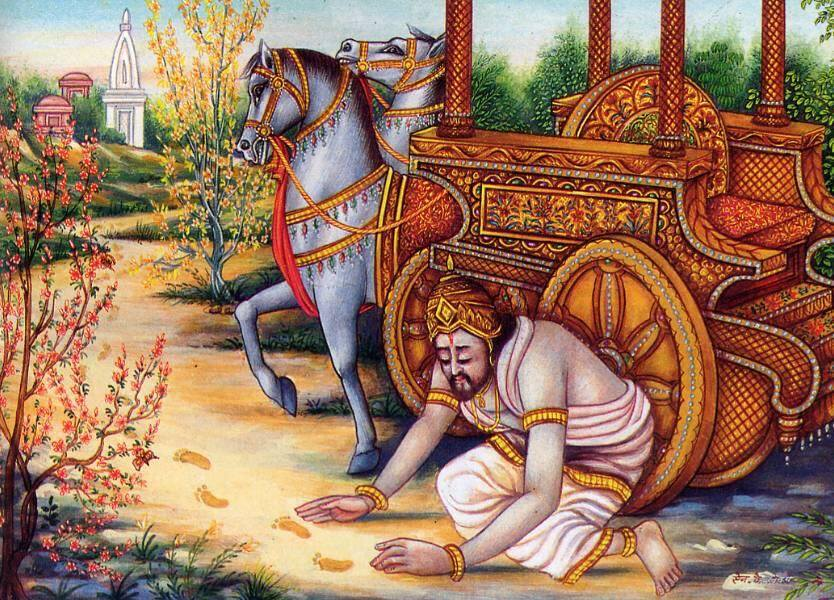
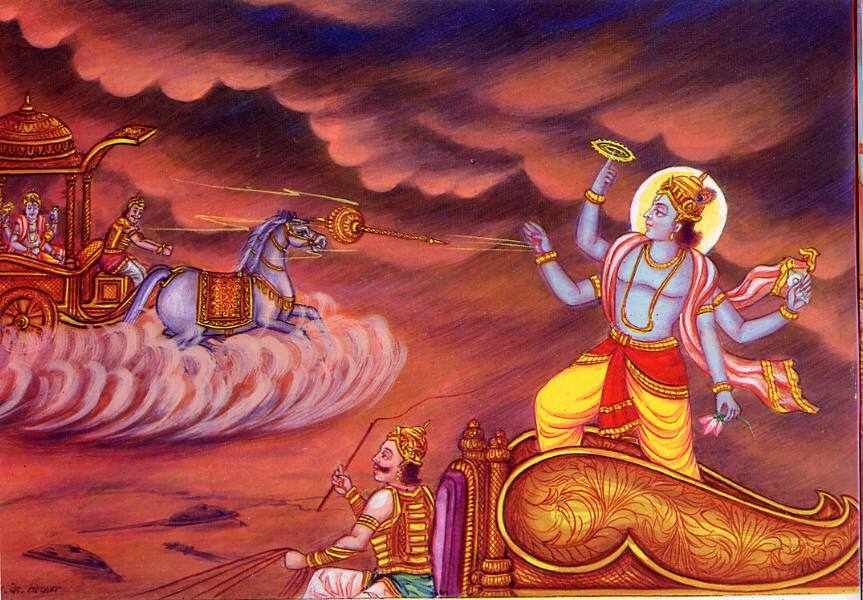
Akrūra’s Vision: After majority of the demons that the tyrannical King Kamsa had were killed by Kaṇṇaṉ, Kamsa devises a plot to kill Kaṇṇaṉ by getting Him to his place. Akrūra, Kamsa’s royal minister, was sent by him on the official mission to invite Kaṇṇaṉ and Balarāma to a wrestling festival in Mathurā. However, as a great devotee, his own personal motive was to fulfill his lifelong desire to finally see the Lord face to face. While taking Kaṇṇaṉ and Balarāmā by chariot to Mathurā, their devotee Akrūra stopped to bathe in the Yamunā river. Submerging himself in the water, he was granted a divine vision. He simultaneously saw the simple, human-like forms of the two brothers seated on the chariot and, in the river's depths, the supreme cosmic form of Mahāviṣṇu reclining on the serpent Ādiśeṣa. This miraculous vision revealed to him that the beloved boy in his chariot was the very same Supreme Being worshipped by all the gods.

கொடுங்கோல் மன்னனான கம்சன் ஏவிய பெரும்பாலான அசுரர்கள் கண்ணனால் கொல்லப்பட்ட பிறகு, கம்சன் கண்ணனைக் கொல்ல ஒரு சதித்திட்டம் தீட்டினான். கண்ணனையும் பலராமரையும் மதுராவில் நடக்கும் ஒரு மல்யுத்த விழாவிற்கு அழைப்பதே அத்திட்டம். கம்சனுடைய மந்திரியான அக்ரூரர் இந்த அதிகாரப்பூர்வப் பணிக்காக அனுப்பப்பட்டார். ஆனால், ஒரு சிறந்த பக்தரான அவருடைய உண்மையான நோக்கம், பகவானை நேருக்கு நேர் தரிசிக்க வேண்டும் என்ற ತನ್ನ வாழ்நாள் ஆசையை நிறைவேற்றுவதே.
கண்ணனையும் பலராமரையும் தேரில் மதுராவிற்கு அழைத்துச் செல்லும்போது, அவர் பக்தரான அக்ரூரர் யமுனை நதியில் நீராடுவதற்காகத் தேரை நிறுத்தினார். அவர் நீருக்குள் மூழ்கியபோது, அவருக்கு ஒரு தெய்வீகத் தரிசனம் கிடைத்தது. ஒரே நேரத்தில், தேரில் அமர்ந்திருந்த இரண்டு சகோதரர்களின் எளிமையான, மனித ரூபத்தையும், அதே சமயம், நதியின் ஆழத்தில் ஆதிசேஷன் மேல் சயனித்திருக்கும் மஹாவிஷ்ணுவின் பரம ஸ்வரூபத்தையும் கண்டார். தன் தேரில் இருக்கும் அந்த அன்புச் சிறுவன்தான் தேவர்களால் வணங்கப்படும் அதே பரம்பொருள் என்பதை அந்த அற்புத தரிசனம் அவருக்கு உணர்த்தியது.

44

The Royal Washerman

அரசவை வண்ணான்

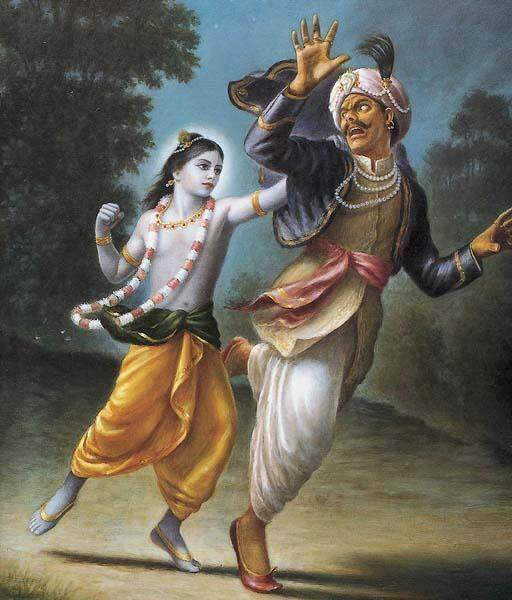
The Royal Washerman: Upon entering Mathurā, Kaṇṇaṉ and Balarāma requested some fine garments from King Kamsa's royal washerman. Full of pride and arrogant loyalty to his evil master, the washerman not only refused but harshly insulted the two Lords. In response to this grave offense, Kaṇṇaṉ, with a single, sharp blow from His fingertips, instantly killed the man. The washerman’s assistants, seeing his untimely end, dropped their bundles of clothes on the spot and ran off in all directions. He and Balarāma then dressed themselves in the fine clothes that the washerman had dropped.

கண்ணனும் பலராமரும் மதுரா நகருக்குள் எழுந்தருளினார்கள். அங்கே, கம்சனின் அரசவை வண்ணானிடம் சென்று, தங்களுக்கு உடுத்திக்கொள்ள சில நல்ல ஆடைகளைக் கேட்டார்கள்.

ஆனால் அந்த வண்ணான், தன் தீய எஜமானனான கம்சன் மீது கொண்ட கர்வத்தினால் தலைக்கனம் கொண்டிருந்தான். அதனால், அவன் ஆடைகளைக் கொடுக்க மறுத்தது மட்டுமல்லாமல், அந்த இரண்டு பகவான்களையும் மிகவும் கடுமையாகப் பேசி அவமானப்படுத்தினான்.

இந்த மாபெரும் அபசாரத்திற்குப் பதிலாக, கண்ணபிரான் தன் விரல் நுனியால் ஒரே ஒரு கூர்மையான அடியால் அந்த மனிதனை உடனடியாகக் கொன்றார். அவனுடைய அகால மரணத்தைப் பார்த்த மற்ற உதவியாளர்கள், கையில் இருந்த துணி மூட்டைகளை அங்கேயே போட்டுவிட்டுப் பல திசைகளிலும் சிதறி ஓடினார்கள். பிறகு கண்ணனும் பலராமரும், அந்த வண்ணான் போட்டுச் சென்ற அழகான ஆடைகளைத் தாங்கள் உடுத்திக்கொண்டார்கள்.

45

Unadulterated Devotion of the Garland Maker

மாலாகாரரின் தூய பக்தி

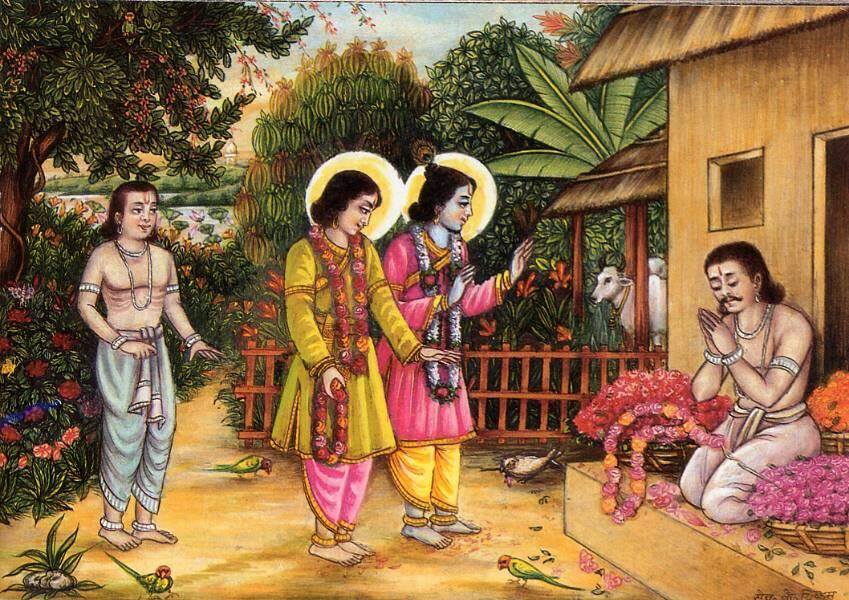
Unadulterated devotion of the Garland Maker: In stark contrast to the arrogant washerman, Kaṇṇaṉ and Balarāma next met a humble garland maker named Sudāmā. Overwhelmed with pure, unadulterated love upon seeing the divine brothers, Sudāmā immediately worshipped them and, without being asked, spontaneously offered them his most beautiful and fragrant flower garlands. Pleased by this selfless act of devotion, the Lord granted Sudāmā the spiritual boons he requested—unwavering devotion and compassion for all beings—and also blessed him and his family with strength, fame, and ever-increasing prosperity.

தலைக்கனம் பிடித்த வண்ணானுக்கு நேர்மாறாக, கண்ணனும் பலராமரும் அடுத்து ஸுதாமா என்ற ஒரு தாழ்மையான மாலைகாரரைச் சந்தித்தார்கள். அந்த தெய்வீக சகோதரர்களைப் பார்த்த மாத்திரத்தில், தூய்மையான, களங்கமற்ற அன்பினால் அவர் உள்ளம் நெகிழ்ந்துபோனது. ஸுதாமா உடனடியாக அவர்களை வணங்கினார். அவர்கள் கேட்காமலேயே, தானாக முன்வந்து தன்னிடம் இருந்த மிகவும் அழகான மற்றும் நறுமணம் மிக்க பூ மாலைகளை அவர்களுக்குச் சமர்ப்பித்தார்.

இந்த தன்னலமற்ற பக்திச் செயலால் மிகவும் மகிழ்ந்த பகவான், ஸுதாமா கேட்ட ஆன்மீக வரங்களை அவருக்கு வழங்கினார். அதன்படி, பகவானிடம் அசைக்க முடியாத பக்தியையும், எல்லா உயிர்கள் மீதும் கருணையையும் வரங்களாக ஸுதாமா பெற்றார். அதுமட்டுமல்லாமல், அவருக்கும் அவருடைய குடும்பத்திற்கும் வலிமை, புகழ் மற்றும் பெருகிவரும் செழிப்பையும் பகவான் ஆசிர்வதித்து அருளினார்.

46

Sandalwood Seller, Kubjā: The Restoration of the Soul

சந்தனம் விற்கும் கூனி, குப்ஜா

Sandalwood seller, Kubjā: As Kaṇṇaṉ and Balarāmā walked through the streets of Mathurā, they met a young servant woman of Kamsa named Kubjā, whose body was bent with a hunchback. Captivated by the Lord's divine charm, she spontaneously offered Him and His brother the fine sandalwood paste she was carrying for the king. Pleased by her selfless devotion, Kaṇṇaṉ stepped firmly on her feet and, with a gentle upward press on her chin, instantly straightened her crooked body, transforming her into a woman of exquisite beauty.

கண்ணனும் பலராமரும் மதுராவின் தெருக்களில் நடந்து சென்றபோது, குப்ஜா என்ற கம்ஸனின் இளம் பணிப்பெண்ணைச் சந்தித்தார்கள். அவளுடைய உடல் கூன் விழுந்து வளைந்திருந்தது. பகவானின் தெய்வீக அழகில் மனதைப் பறிகொடுத்த அவள், அரசனுக்காகத் தான் கொண்டு சென்ற உயர்ந்த சந்தனக் கலவையைத் தானாகவே முன்வந்து அவருக்கும் அவருடைய சகோதரருக்கும் அர்ப்பணித்தாள்.

அவளுடைய தன்னலமற்ற பக்தியால் மகிழ்ந்த கண்ணன், அவளுடைய பாதங்களின் மீது தன்னுடைய திருவடிகளை உறுதியாக வைத்து, அவளுடைய முகவாயை மெதுவாக மேல்நோக்கித் தூக்கினார். ஒரே கணத்தில், அவளுடைய வளைந்த உடல் நேராகியது. அவள் பேரழகு வாய்ந்த பெண்ணாக மாறினாள்.

47

Breaking the Sacrificial Bow

கம்ஸனின் யாக வில்லை முறித்த லீலை

Breaking the Sacrificial Bow: While exploring Mathurā, Kaṇṇaṉ and Balarāma entered the great hall where King Kamsa kept a colossal and sacred sacrificial bow. With the ease of a child lifting a toy, Kaṇṇaṉ picked up the massive bow, strung it, and pulled the string with such immense force that it snapped in two with a deafening, thunderous crack. The sound filled Kamsa with mortal terror, while the two brothers used the broken halves of the bow to effortlessly defeat the king's enraged guards.

மதுரா நகரைச் சுற்றிப் பார்த்துக்கொண்டிருந்த கண்ணனும் பலராமரும், கம்ஸ மன்னன் ஒரு மிகப் பெரியதும் புனிதமானதுமான யாக வில்லை வைத்திருந்த மண்டபத்திற்குள் நுழைந்தார்கள். அங்கே, ஒரு குழந்தை விளையாட்டுப் பொருளை எடுப்பதைப் போல, கண்ணன் மிக எளிதாக அந்தப் பெரிய வில்லை எடுத்தான். அதில் நாணேற்றி, மிகுந்த பலத்துடன் இழுத்தபோது, அது காதைப் பிளக்கும் இடியோசையுடன் ‘படார்’ என்று இரண்டாக முறிந்து போனது. அந்த ஓசையைக் கேட்ட கம்ஸனுக்கு மரண பயம் உண்டானது. அதே சமயம், கண்ணனும் பலராமரும் முறிந்த வில்லின் துண்டுகளைக் கொண்டே, கோபத்துடன் அவர்களை எதிர்க்க வந்த கம்ஸனின் காவலர்களை மிக எளிதாகத் தோற்கடித்தார்கள்.

48

Kuvalayāpīḍam: Conquering the Arrogant Ego

குவலயாபீடம்: ஆணவத்தின் அகங்காரம்

Kuvalayāpīḍam - Arrogant Ego: As Kaṇṇaṉ and Balarāma approached the entrance to Kamsa's wrestling arena, they were charged by Kuvalayāpīḍam, a massive and ferocious elephant stationed there with the express purpose of killing them. The Lord playfully dodged the beast's attacks before easily overpowering it and ripping out one of its massive tusks. Wielding the very tusk as a weapon, Kaṇṇaṉ then killed both the elephant and its wicked driver before triumphantly entering the arena with the tusk resting on His shoulder.

கண்ணன் எம்பெருமானும் பலராமரும் கம்ஸனின் மல்யுத்த அரங்கத்தின் நுழைவாயிலை அடைந்தபோது, அவர்களைக் கொல்வதற்காகவே அங்கே நிறுத்தப்பட்டிருந்த குவலயாபீடம் என்ற பெரிய மற்றும் மூர்க்கமான யானை அவர்கள் மீது பாய்ந்தது. பகவான் அந்த மிருகத்தின் தாக்குதல்களிலிருந்து ஒரு திருவிளையாடலாகத் தப்பித்து, பின்பு அதை எளிதாக அடக்கி, அதன் பெரிய தந்தங்களில் ஒன்றை முறித்தெடுத்தார். அந்தத் தந்தத்தையே ஆயுதமாகக் கொண்டு, கண்ணன் அந்த யானையையும் அதன் தீய பாகனையும் கொன்றார். பிறகு, அந்தத் தந்தத்தைத் தனது தோளில் கம்பீரமாக வைத்தபடி வெற்றி வீரராக அரங்கத்தினுள் நுழைந்தார்.

49

The Two Wrestlers: Cāṇūra and Muṣṭika

சாணூரன் மற்றும் முஷ்டிகன் என்னும் இரண்டு மல்லர்கள்

The Two Wrestlers, Cāṇūra and Muṣṭika: Inside Kamsa's royal arena, Kaṇṇaṉ and Balarāma were challenged to a duel by Cāṇūra and Muṣṭika, the king's champion wrestlers who were famed for their brutal, mountain-like strength. Despite the apparent mismatch, the two divine brothers accepted. In the ensuing battle, Kaṇṇaṉ engaged Cāṇūra and Balarāma engaged Muṣṭika, matching the demons' brute force with superior, divine skill. Ultimately, Kaṇṇaṉ killed Cāṇūra by whirling him in the air and smashing him to the ground, while Balarāma vanquished Muṣṭika with a single, powerful blow from His palm.

கம்ஸனின் அரசவை அரங்கத்திற்குள், அந்த ராஜ்யத்தின் தலைசிறந்த மல்லர்களான சாணூரனும் முஷ்டிகனும் கண்ணனையும் பலராமரையும் மல்யுத்தத்திற்கு அழைத்தனர். அவர்கள் இருவரும் மலைபோன்ற வலிமைக்கும் கொடூரத்திற்கும் பெயர் பெற்றவர்கள். பார்ப்பதற்கு இந்த மோதல் சமமற்றதாகத் தெரிந்தாலும், தெய்வீக சகோதரர்கள் இருவரும் அந்த சவாலை ஏற்றுக்கொண்டனர்.

தொடர்ந்து நடந்த போரில், கண்ணன் சாணூரனுடனும், பலராமர் முஷ்டிகனுடனும் மோதினார்கள். அந்த அசுரர்களின் மிருக பலத்தை, சகோதரர்கள் இருவரும் தங்களின் தெய்வீகத் திறமையால் எதிர்கொண்டனர். இறுதியில், கண்ணன் சாணூரனை காற்றில் சுழற்றித் தரையில் அடித்துக் கொன்றார். பலராமர் தனது உள்ளங்கையால் ஒரே ஒரு சக்திவாய்ந்த அடியில் முஷ்டிகனை அழித்தார்.

50

Kamsa Vadham: Slaying the Tyrant Kamsa

கம்ஸ வதம்

Kamsa Vadham (Slaying Kamsa): After Kaṇṇaṉ and Balarāma defeated the champion wrestlers, the enraged and terrified King Kamsa ordered his soldiers to kill the two brothers. Before anyone could react, Kaṇṇaṉ, with a single, divine leap, sprang onto Kamsa's high royal platform. He seized the powerful tyrant by his hair, effortlessly dragged him from his throne down into the center of the arena, and killed him in front of the entire assembly, thus fulfilling the celestial prophecy and liberating the people from his oppressive rule.

சாணூரன், முஷ்டிகன் போன்ற மகா மல்லர்களை கண்ணனும் பலராமரும் வென்ற பிறகு, அதைக் கண்ட கம்ஸ மன்னன் கோபமும் பயமும் ஒருங்கே அடைந்தான். உடனே அவன் தன் வீரர்களை அழைத்து, அந்த இரண்டு சகோதரர்களையும் கொன்றுவிடும்படி உத்தரவிட்டான்.

யாரும் சுதாரிப்பதற்குள், கண்ணபிரான் ஒரே தெய்வீகமான தாவலில், கம்ஸன் அமர்ந்திருந்த உயர்ந்த அரச மேடையின் மீது பாய்ந்தார். அந்தப் பெரும் கொடுங்கோலனின் முடியைப் பிடித்து, அவனை அவனது சிம்மாசனத்திலிருந்து மிக எளிதாகக் கீழே இழுத்து, அரங்கத்தின் நடுவில் தள்ளினார். சபையில் இருந்த அனைவரின் முன்பாகவும் அவனை வதம் செய்து, தேவவாக்கினை நிறைவேற்றினார். இதன் மூலம், மக்களும் அவனது கொடுங்கோல் ஆட்சியிலிருந்து விடுதலை பெற்றார்கள்.

51

Coronating Ugrasena: Restoring Righteous Order

உக்ரஸேனருக்கு பட்டாபிஷேகம்

Coronating Ugrasena: Immediately after slaying the tyrant Kamsa, Lord Kaṇṇaṉ went to the dungeons and personally freed his maternal grandfather, Ugrasena, the rightful king who had been imprisoned. Instead of taking the throne for Himself, Kaṇṇaṉ formally performed the coronation ceremony for Ugrasena, restoring him to his royal position as the monarch of the Yādava dynasty. The Lord then humbly pledged to serve and protect the new king, thus re-establishing righteousness in the kingdom. This divine act is a profound allegory for the soul's liberation and restoration. In this spiritual drama, the rightful king Ugrasena (Kamsa's father) represents the jīvātman, the true self, while his son Kamsa represents the tyrannical ahaṅkāra (the ego). Kamsa's usurpation of the throne and imprisonment of his father is the allegory for how the ego overthrows the soul, seizes control of the body and mind (the kingdom), and holds the true self in bondage.

கொடுங்கோலனான கம்சனை வதம் செய்த உடனேயே, கண்ணபிரான் நேராகச் சிறைச்சாலைக்குச் சென்றார். அங்கே சிறைவைக்கப்பட்டிருந்த தன் தாய்வழித் தாத்தாவான உக்ரஸேனரைத் தாமே நேரில் சென்று விடுவித்தார். அந்த ராஜ்யத்தின் உண்மையான அரசர் அவர்தான்.

அரியணையைத் தாமே எடுத்துக்கொள்ளாமல், கண்ணன் உக்ரஸேனருக்கு முறைப்படி பட்டாபிஷேகம் செய்து வைத்தார். யாதவ வம்சத்தின் மன்னராக, அவருக்குரிய ராஜ பதவியை மீண்டும் அளித்து அவரை கௌரவித்தார். அதன் பிறகு, அந்தப் புதிய அரசருக்குச் சேவை செய்து அவரைக் காப்பதாக எம்பெருமான் மிகவும் பணிவுடன் உறுதியளித்தார். இப்படியாக, அந்த ராஜ்யத்தில் தர்மத்தை மீண்டும் நிலைநாட்டினார்.

52

Sāndīpani's School: Submission to a Guru

ஸாந்தீபனி முனியின் பாடசாலை

Sāndīpani’s School: To complete their formal education, Lord Kaṇṇaṉ and Balarāma went to the school of the great sage Sāndīpani Muni. Displaying their divine, superhuman intellect, they mastered all the Vedas and the sixty-four traditional arts in just sixty-four days. As their offering of payment to the guru (guru-dakṣiṇā), they performed a feat impossible for any mortal: they journeyed to the abode of Yamarāja, the lord of death, and brought back Sāndīpani's son, who had drowned in the ocean long ago.

தங்களுடைய முறையான கல்வியை நிறைவு செய்வதற்காக, பகவான் கண்ணனும் பலராமரும் ஸாந்தீபனி முனிவர் என்ற பெரும் ஞானியின் பாடசாலைக்குச் சென்றார்கள். தங்களுடைய தெய்வீகமான, மனித சக்திக்கு அப்பாற்பட்ட அறிவாற்றலை வெளிப்படுத்தி, அவர்கள் எல்லா வேதங்களையும், அறுபத்து நான்கு கலைகளையும் வெறும் அறுபத்து நான்கு நாட்களிலேயே முழுமையாகக் கற்றுத் தேர்ந்தார்கள்.

தங்கள் குருவுக்குக் காணிக்கையாக (குரு-தக்ஷிணையாக), எந்த மனிதனாலும் செய்ய முடியாத ஒரு செயற்கரிய செயலைச் செய்தார்கள். அவர்கள் மரணத்தின் அதிபதியான யமராஜனின் உலகத்திற்குச் சென்று, பல காலத்திற்கு முன்பு கடலில் மூழ்கி இறந்த ஸாந்தீபனி முனிவரின் மகனை உயிருடன் மீட்டு வந்தார்கள்.

53

Pure Bhakti Overtakes Jñāna: The Story of Uddhava

ஞானத்தை வென்ற தூய பக்தி

Pure Bhakti overtakes Jñāna: Lord Kaṇṇaṉ sent His dear friend and great intellectual devotee, Uddhava, to Vraja with a message to console the Gopīs, who were suffering in separation from Him. Uddhava, a master of the path of knowledge (jñāna), tried to pacify their sorrow with a philosophical message, explaining that the Lord is all-pervading and thus was never truly absent from their lives. The Gopīs, however, in their state of pure personal love, completely rejected this impersonal wisdom, declaring that their only desire was for the return of their beloved Kaṇṇaṉ. Witnessing the supreme power and purity of their love in separation, Uddhava was completely humbled, realizing that their devotion was a far higher spiritual path than his own knowledge.

கோபிகைகள் கண்ணபிரானைப் பிரிந்து பெரும் துயரத்தில் இருந்தார்கள். அவர்களுக்கு ஆறுதல் சொல்ல, பகவான் தனது பிரியமான நண்பரும், பெரும் ஞானியுமான உத்தவரை வ்ரஜத்திற்கு அனுப்பினார்.

ஞான மார்க்கத்தில் சிறந்து விளங்கிய உத்தவர், அவர்களுடைய துக்கத்தைத் தணிக்க ஒரு தத்துவார்த்தமான செய்தியைச் சொன்னார். “பகவான் எங்கும் நிறைந்தவர். அதனால் அவர் உங்களை விட்டு உண்மையாகப் பிரியவே இல்லை” என்று அவர் விளக்கினார்.

ஆனால், தூய அன்பில் மூழ்கியிருந்த கோபிகைகள், உருவமற்ற தத்துவத்தை அடிப்படையாகக் கொண்ட அந்த ஞானத்தை முற்றிலும் நிராகரித்தனர். தங்களுக்குத் தேவை தங்கள் அன்புக்குரிய கண்ணன் திரும்பி வருவது மட்டுமே என்று அவர்கள் உறுதியாகச் சொன்னார்கள்.

பிரிவின் துயரத்திலும் வெளிப்பட்ட கோபிகைகளின் அன்பின் மிக உயர்ந்த சக்தியையும் தூய்மையையும் கண்ட உத்தவர், மனம் நெகிழ்ந்து போனார். தனது ஞான வழியை விட, அவர்களுடைய பக்தி வழியே மிகவும் உயர்ந்த ஆன்மீக நிலை என்பதை அவர் உணர்ந்துகொண்டார்.

54

The Lord Who Fled from the Battlefield

போர்க்களத்திலிருந்து தப்பி ஓடிய எம்பெருமான்

The Lord who fled from the battlefield: When Mathurā was besieged for the eighteenth time by the massive armies of Jarāsandha and the invincible demon Kālayavana, Śrī Kṛṣṇa, to protect His devotees from further suffering, first magically built the fortress of Dvārakā and secured His people. He then deliberately lured the demon Kālayavana away from the city by seemingly fleeing from him. This was not an act of cowardice but a compassionate strategy; He led the demon into a cave where the sleeping King Mucukunda, blessed with a fiery gaze, incinerated the demon, thus vanquishing an "invincible" foe without breaking any boons.

ஜராஸந்தனும், வெல்ல முடியாத அசுரனான காலயவனனும் தங்களது மாபெரும் படைகளுடன் மதுரா நகரை பதினெட்டாவது முறையாகத் தாக்க வந்தார்கள். அப்போது, ஸ்ரீ க்ருஷ்ணன் தனது பக்தர்களுக்கு மேலும் துன்பம் நேரக்கூடாது என்று திருவுள்ளம் கொண்டார். தனது பக்தர்களைக் காப்பதற்காக, அவர் முதலில் த்வாரகா என்ற மிகப் பெரிய கோட்டையை மாயா சக்தியால் உருவாக்கி, தன் மக்களை அங்கே பாதுகாப்பாகக் குடியமர்த்தினார்.

அதன் பிறகு, அவர் வேண்டுமென்றே காலயவனன் என்ற அசுரனைத் தனியாக நகரத்திலிருந்து வெளியே ஈர்த்துச் சென்றார். அந்த அசுரனிடமிருந்து தப்பி ஓடுவது போலப் பகவான் நடித்தார். இது கோழைத்தனமான செயல் அல்ல, மாறாக இது ஒரு கருணை மிகுந்த தெய்வீகத் தந்திரம். பகவான் அந்த அசுரனை ஒரு குகைக்குள் அழைத்துச் சென்றார். அங்கே, முசுகுந்தன் என்ற மன்னன் உறங்கிக் கொண்டிருந்தான்.

அந்த மன்னன், தன்னன்னு எப்பிஸுவவரு யாரே ஆகலி, தன்ன த்ருஷ்டிகே பித்த தக்ஷண ஸுட்டு பூதியாகலி எந்து வரவன்னு படெதித்தனு. (தன்னை உறக்கத்திலிருந்து எழுப்புபவர் யாராக இருந்தாலும், தன் பார்வை பட்டவுடன் எரிந்து சாம்பலாகிவிடுவார்கள் என்ற வரத்தைப் பெற்றிருந்தார்). ஸ்ரீ க்ருஷ்ணனைத் துரத்தி வந்த காலயவனன், குகையில் உறங்கிக்கொண்டிருந்த முசுகுந்தனை க்ருஷ்ணன் என்று தவறாக நினைத்து எழுப்பினான். உறக்கத்திலிருந்து எழுந்த முசுகுந்த மன்னனின் கோபப் பார்வை பட்டதும், அந்த அசுரன் அந்த இடத்திலேயே எரிந்து சாம்பலானான். இவ்வாறாக, பகவான் எந்த வரங்களையும் மீறாமல், ‘வெல்ல முடியாத’ எதிரியை மிக எளிதாக அழித்தார்.

55

Rukmiṇī Kalyāṇam: The Marriage to Rukmiṇī

ருக்மிணீ கல்யாணம்

Rukmiṇī Kalyāṇam (The Marriage to Rukmiṇī): The beautiful princess Rukmiṇī (His divine consort Śrīdevi herself) had secretly given her heart to Lord Kaṇṇaṉ, but her wicked brother, Rukmī, arranged her marriage to the evil king Śiśupāla against her will. In desperation, Rukmiṇī sent a secret message to Kaṇṇaṉ via a trusted brāhmaṇa, begging Him to rescue her. Following her bold plan, the Lord arrived on the day of the wedding. As Rukmiṇī was leaving the temple of Goddess Ambikā, He swiftly lifted her onto His chariot and carried her away in front of all the assembled enemy kings. After defeating the forces that pursued them, they were formally married in a grand ceremony in Dvārakā, with Rukmiṇī becoming the Lord's first and principal queen.

அழகிய இளவரசியான ருக்மிணீ பிராட்டி, தன் மனதை ரகசியமாகக் கண்ணனிடம் கொடுத்திருந்தாள். அவள் வேறு யாருமல்ல, சாக்ஷாத் ஸ்ரீதேவி தாயாரின் அம்சமே ஆவாள். ஆனால், அவளுடைய தீய எண்ணம் கொண்ட அண்ணனான ருக்மீ, அவளுடைய விருப்பத்திற்கு எதிராக, துஷ்ட அரசனான சிசுபாலனுக்கு அவளைத் திருமணம் செய்து வைக்க ஏற்பாடு செய்தான்.

வேறு வழியின்றித் தவித்த ருக்மிணீ, தனக்கு நம்பிக்கையான ஒரு ப்ராஹ்மணர் மூலமாகக் கண்ணனுக்கு ஒரு ரகசிய ஓலையை அனுப்பினாள். அதில், தன்னை வந்து எப்படியாவது காப்பாற்றும்படி மிகவும் உருக்கமாகக் கெஞ்சியிருந்தாள். அவளுடைய துணிச்சலான திட்டத்தின்படி, எம்பெருமானும் திருமண நாளன்று அங்கு வந்து சேர்ந்தார்.

அம்பிகா தேவியின் கோவிலில் இருந்து ருக்மிணீ வெளியே வந்தபோது, பகவான் கண்ணன் மின்னல் வேகத்தில் அவளைத் தூக்கித் தன் தேரில் ஏற்றிக்கொண்டார். அங்கு கூடியிருந்த எதிரி ராஜாக்கள் அனைவரும் பார்த்துக் கொண்டிருக்கும்போதே, அவளை அங்கிருந்து கவர்ந்து சென்றார். தங்களைப் பின்தொடர்ந்து வந்த படைகளை எல்லாம் போரில் வென்ற பிறகு, த்வாரகையில் மிகவும் சிறப்பான ஒரு வைபவத்தில் அவர்கள் முறைப்படி திருமணம் செய்துகொண்டார்கள். ருக்மிணீ பிராட்டி, பகவானுடைய முதல் மற்றும் பட்டத்து ராணியானாள்.

56

The Gem Thief: The Syamantaka

ஸ்யமந்தக மணித் திருடன்

The Gem Thief: A king named Satrājita, who owned the divine Syamantaka gem, falsely accused Lord Kaṇṇaṉ of stealing it and murdering his brother. To clear His honorable name of this accusation, the Lord followed a trail that led Him to the cave of the great bear-king from Rāmāyan, Jāmbavān. After a fierce duel lasting twenty-eight days, Jāmbavān recognized the Lord and surrendered, returning the gem. Kaṇṇaṉ then brought the gem back to the deeply ashamed Satrājita, who, in atonement for his false accusation, offered the Lord his daughter, Satyabhāmā (Śrīman Nārāyaṇa’s divine consort Bhūdevī) in marriage.

சத்ராஜித்தன் என்றொரு அரசன், தெய்வீகமான ஸ்யமந்தக மணி என்ற ஒரு ரத்தினத்திற்குச் சொந்தக்காரனாக இருந்தான். அவன் தன் தம்பியைக் கொன்றுவிட்டு, அந்த மணியைப் பகவான் கண்ணன் திருடிவிட்டதாக ஒரு பொய்யான குற்றச்சாட்டைச் சுமத்தினான்.

தன் மீது சுமத்தப்பட்ட இந்த அவதூறிலிருந்து தனது பெருமைக்குரிய பெயரைத் தூய்மைப்படுத்த, எம்பெருமான் அந்த மணியைத் தேடிப் புறப்பட்டார். அந்தத் தேடல், ராமாயண காலத்தில் வாழ்ந்த கரடிகளின் ராஜாவான மாபெரும் ஜாம்பவானின் குகைக்கு அவரைக் கொண்டு சென்றது. அங்கு இருவருக்கும் இடையே இருபத்தெட்டு நாட்கள் கடுமையான சண்டை நடந்தது. முடிவில், ஜாம்பவான் தன் எதிரில் நிற்பது தன் பிரபுவான ராமனே (அதாவது கண்ணன்) என்பதை உணர்ந்து சரணடைந்தார். அவர் அந்த மணியைக் கண்ணனிடம் திருப்பிக் கொடுத்தார்.

கண்ணன் அந்த ரத்தினத்தைச் சத்ராஜித்தனிடம் கொண்டு வந்து கொடுத்தார். இதைக் கண்ட சத்ராஜித்தன் மிகுந்த வெட்கமும் அவமானமும் அடைந்தான். தான் செய்த தப்பான குற்றச்சாட்டுக்குப் பிராயச்சித்தமாக, அவன் தன் மகளான சத்யபாமாவை (ஸ்ரீமன் நாராயணனின் திவ்ய மஹிஷியான பூதேவித் தாயாரின் அம்சம்) பகவானுக்குத் திருமணம் செய்து கொடுத்தான்.

57

Conquering the Seven Bulls: Marrying Nappinnai

ஏழு காளைகளை அடக்கிய லீலை

Conquering the Seven Bulls: The King Nagnajit of Kośala aka Kumbagan had vowed to give his daughter Nāgnajitī aka Nappinnai hand only to the hero who could subdue his seven extraordinarily ferocious and untamable bulls. Many princes attempted this feat but were grievously defeated. Lord Kaṇṇaṉ accepted the formidable challenge and, miraculously expanding Himself into seven identical forms, He confronted all seven bulls at once. With the ease of a child's game, He simultaneously subdued their pride and brought them under control. Having fulfilled the impossible vow, Kaṇṇaṉ was joyfully married to the princess Nappinnai (Śrīman Nārāyaṇa’s divine consort Nīḷādevi).

கோசல தேசத்தின் அரசனான நக்னஜித் (கும்பகன் என்றும் இவருக்குப் பெயர் உண்டு) ஒரு சபதம் செய்திருந்தார். அடக்குவதற்கு மிகவும் கடினமானதும், அத்யந்த மூர்க்க குணம் கொண்டதுமான தனது ஏழு காளைகளையும் எந்த வீரன் அடக்குகிறானோ, அவனுக்கே தன் மகளான நாக்னஜிதீயை (நப்பின்னை பிராட்டியை) திருமணம் செய்து கொடுப்பதாக அறிவித்தார்.

இந்தச் சவாலை ஏற்றுக்கொண்ட பல தேசத்து இளவரசர்கள், அந்த காளைகளின் முன் தோற்றுப் போனார்கள். படுகாயங்களுடன் அவமானப்பட்டுத் திரும்பினார்கள்.

அப்போது, நம் கண்ணன் எம்பெருமான் அந்தக் கடினமான சவாலை ஏற்றுக்கொண்டார். அவர் ஒரு பெரும் அற்புதம் செய்தார். அந்த ஏழு காளைகளையும் ஒரே நேரத்தில் எதிர்கொள்வதற்காக, பகவான் தம்மையே ஏழு கண்ணன்களாகப் பெருக்கிக்கொண்டார்.

பிறகு, ஒரு குழந்தை விளையாடுவது போல மிக எளிதாக, அந்த ஏழு காளைகளையும் ஒரே சமயத்தில் அடக்கினார். அவற்றின் செருக்கையும் அகங்காரத்தையும் அழித்து, தன் கட்டுப்பாட்டுக்குள் கொண்டு வந்தார்.

இவ்வாறு, யாராலும் நிறைவேற்ற முடியாத அந்தச் சபதத்தை கண்ணபிரான் நிறைவேற்றியதால், அரசன் நக்னஜித் மிகவும் மகிழ்ச்சியடைந்து, தன் மகள் நப்பின்னையை கண்ணனுக்குத் திருமணம் செய்து கொடுத்தார். இந்த நப்பின்னை பிராட்டி, ஸ்ரீமன் நாராயணனின் திவ்ய தேவியான நீளாதேவியின் அவதாரம் ஆவார்.

58

The Divine Consorts in Viśiṣṭādvaitam

விசிஷ்டாத்வைதத்தில் எம்பெருமானின் திவ்ய பத்னிகள்

In Śrī Vaiṣṇava philosophy, the three primary consorts of Śrīman Nārāyaṇa represent different aspects of His divine nature:

Śrīdevī: Represents His Kriyā Śakti (energy of action and sovereignty) and incarnated as Rukmiṇī.

Bhūdevī: Represents His Icchā Śakti (energy of will) and incarnated as Satyabhāmā.

Nīḷā Devī: Represents His Līlā Śakti (energy of divine play and enjoyment). She is intrinsically associated with the Lord's charm, beauty, and intimate pastimes and incarnated as Nappinnai.

Crucially, like Śrīdevī, Nīḷā Devī embodies the role of Puruṣakāra—the divine mediatrix or intercessor. It is through her grace and compassionate recommendation that the jīvātmā (individual soul) gains access to the Paramātmā. This is why the Azhvārs, particularly Āṇḍāl (Bhūdevī), appeal to her first before addressing the Lord Himself.

ஸ்ரீ வைஷ்ணவ ஸித்தாந்தத்தின்படி, ஸ்ரீமன் நாராயணனின் மூன்று முக்கிய தேவிமார்கள், அவருடைய வெவ்வேறு திவ்ய குணங்களையும் சக்திகளையும் வெளிப்படுத்துகிறார்கள்.

ஸ்ரீதேவி: இவர் பகவானின் க்ரியா சக்தியை (செயல்படும் ஆற்றல் மற்றும் ஐஸ்வர்யம்) குறிக்கிறார். இவரே ருக்மிணி பிராட்டியாக அவதரித்தார்.

பூதேவி: இவர் பகவானின் இச்சா சக்தியை (திருவுள்ளம் அல்லது சங்கல்பம்) குறிக்கிறார். இவரே சத்யபாமாவாக அவதரித்தார்.

நீளா தேவி: இவர் பகவானின் லீலா சக்தியை (திவ்யமான விளையாட்டு மற்றும் ஆனந்தம்) குறிக்கிறார். எம்பெருமானின் அழகு, கவர்ச்சி மற்றும் அந்தரங்கமான லீலைகளோடு இவர் பிரிக்கமுடியாமல் இணைந்திருக்கிறார். இவரே நப்பின்னை பிராட்டியாக அவதரித்தார்.

மிக முக்கியமாக, ஸ்ரீதேவியைப் போலவே, நீளா தேவியும் புருஷகார பூதையாக விளங்குகிறார். அதாவது, ஜீவாத்மாவுக்கும் பரமாத்மாவுக்கும் இடையே இருந்து சிபாரிசு செய்யும் கருணை நிறைந்த தாயாராக இருக்கிறார்.

அவருடைய கருணையினாலும், பரிவான சிபாரிசினாலும்தான் ஜீவாத்மாவால் (உயிரால்) பரமாத்மாவை (பகவானை) அணுக முடிகிறது. இதனால்தான் ஆழ்வார்கள், குறிப்பாக பூதேவியின் அம்சமான ஆண்டாள், திருப்பாவையில் எம்பெருமானை எழுப்புவதற்கு முன்பு, முதலில் நப்பின்னை பிராட்டியிடம் பிரார்த்தித்து, "நப்பின்னாய்!" என்று அழைத்து எழுப்புகிறாள். தாயாரின் சிபாரிசு இருந்தால், பகவானின் கருணை நிச்சயம் கிடைக்கும் என்பது இதன் தாத்பர்யம்.

59

Celebrated Murāri: Slaying the Demon Mura

முராரி என்ற திருநாமத்தின் வைபவம்

Celebrated Murāri: While attacking the fortress-city Prāgjyotiṣapura of the demon Bhaumāsura aka Narakāsura, Lord Kaṇṇaṉ was confronted by its guardian, a ferocious five-headed demon named Mura. Rising from the waters, Mura attacked the Lord with a terrifying roar. In response, Kaṇṇaṉ launched His divine Sudarśana Cakra, which, in a single, brilliant motion, sliced off all five of the demon's heads at once. For this act, the Lord earned the celebrated name Murāri, the enemy of Mura.

பௌமாஸுரன் என்கிற நரகாஸுரனின் கோட்டை நகரமான ப்ராக்ஜ்யோதிஷபுரத்தின் மீது பகவான் கண்ணன் படையெடுத்துச் சென்றார். அப்போது, அந்த நகரத்தின் காவலனான முரன் என்ற ஐந்து தலைகளைக் கொண்ட ஒரு கொடிய அஸுரன் பகவானை எதிர்த்தான்.

நீரிலிருந்து வெளிப்பட்ட அந்த அஸுரன், ஒரு பயங்கரமான கர்ஜனையுடன் கண்ணபிரானைத் தாக்கினான். இதற்குப் பதிலாக, எம்பெருமான் தனது தெய்வீகமான ஸுதர்சன சக்கரத்தை அவன் மீது ஏவினார். அந்த சக்கரம், ஒளிவீசும் ஒரே ஒரு வீச்சில், அந்த அஸுரனின் ஐந்து தலைகளையும் ஒருசேர வெட்டி வீழ்த்தியது. இந்த அற்புதமான செயலுக்காக, பகவான் ‘முரனின் எதிரி’ என்ற பொருளில் ‘முராரி’ என்ற புகழ்பெற்ற திருநாமத்தைப் பெற்றார்.

60

Husband of All: Liberation of 16,100 Souls

சர்வ லோக பதியானவன்

Husband of all: The demon king Narakāsura (son of Kaṇṇaṉ and Bhūdevī) after receiving the boon that he can be only killed by his mother had terrorized the entire world, conquering the heavens, stealing the divine earrings of the goddess Aditi, and wrongfully imprisoning 16,100 princesses in his fortress city. At the request of the celestial gods, Lord Kaṇṇaṉ, accompanied by His consort Satyabhāmā, attacked the demon's kingdom. After a fierce and magnificent battle, the Lord decapitated Narakāsura with His divine Sudarśana Cakra. This act freed the world from the demon's tyranny, liberated the captive princesses, and is celebrated as the victory of light over darkness.

நரகாஸுரன் என்பவன், பகவான் கண்ணனுக்கும் பூதேவிக்கும் பிறந்த அசுர புதல்வன் ஆவான். அவன், 'தன்னுடைய தாயாரால் மட்டுமே தனக்கு மரணம் நேர வேண்டும்' என்ற வரத்தைப் பெற்றிருந்தான். அந்த வரத்தின் பலத்தால், அவன் தேவலோகத்தையே கைப்பற்றி, அதிதி தேவியின் தெய்வீகக் காதணிகளைத் திருடி, உலகம் முழுவதையும் தன் கொடுங்கோன்மையால் அச்சுறுத்தி வந்தான். அதுமட்டுமின்றி, 16,100 இளவரசிகளைத் தனது கோட்டை நகரத்தில் அநியாயமாகச் சிறை வைத்திருந்தான். தேவர்களின் வேண்டுகோளுக்கு இணங்கி, பகவான் கண்ணன் தனது தேவியான சத்யபாமையுடன் (பூதேவியின் அம்சம்) அந்த அசுரனின் ராஜ்யத்தின் மீது படையெடுத்தார். மிகவும் கடுமையான மற்றும் அற்புதமான போருக்குப் பிறகு, எம்பெருமான் தனது திவ்யமான சுதர்சன சக்கரத்தால் நரகாஸுரனின் தலையைத் துண்டித்தார். இந்தச் செயல், உலகை அந்த அசுரனின் கொடுமையிலிருந்து விடுவித்தது, சிறைப்பட்டிருந்த இளவரசிகளை மீட்டது, மேலும் இது இருளின் மீது ஒளியின் வெற்றியாகக் கொண்டாடப்படுகிறது.

61

Bāṇāsura Vadha: Purifying the Devoted Foe

பாணாஸுர வதம்

Bāṇāsura Vadha: When the thousand-armed demon king Bāṇāsura imprisoned Lord Kaṇṇaṉ's grandson, Aniruddha, the Lord laid siege to his kingdom. A great war erupted in which Kaṇṇaṉ had to battle not only the demon but also his powerful protector, Lord Śiva. After subduing Śiva's forces, the Lord took His divine Sudarśana Cakra and began to systematically sever Bāṇāsura's thousand arms. He ultimately spared the demon's life at Lord Śiva's request, leaving him humbled and purified of his pride before freeing Aniruddha.

ஆயிரம் கைகளைக் கொண்ட அசுர அரசனான பாணாஸுரன், பகவான் கண்ணனுடைய பேரனான அநிருத்தனைச் சிறைப்பிடித்தான். இதையறிந்த எம்பெருமான், அவனது ராஜ்ஜியத்தை முற்றுகையிட்டார்.

அங்கே ஒரு பெரும் போர் மூண்டது. அந்தப் போரில் கண்ணன், அந்த அசுரனுடன் மட்டுமல்லாமல், அவனுக்குப் பாதுகாவலனாக இருந்த சக்திவாய்ந்த சிவனோடும் போரிட வேண்டியிருந்தது. சிவனின் படைகளை அடக்கிய பிறகு, பகவான் தனது தெய்வீகமான ஸுதர்ஶன சக்கரத்தை ஏவி, பாணாஸுரனின் ஆயிரம் கைகளையும் ஒவ்வொன்றாக வெட்டத் தொடங்கினார். இறுதியில், சிவபெருமானின் வேண்டுகோளுக்கு இணங்கி, பகவான் அந்த அசுரனின் உயிரை மட்டும் விட்டுவிட்டார். அவனது கர்வத்தை அழித்து, அவனைப் பணிவுள்ளவனாக மாற்றி, தூய்மைப்படுத்திய பிறகு அநிருத்தனை விடுவித்தார்.

62

Our Deeds vs His Grace: The Chameleon

நமது கர்மாவும் பகவான் கிருபையும்

Our Deeds vs His Grace: The Yādava princes discovered a giant chameleon trapped in an old, dry well. Unable to rescue it, they called for Lord Kaṇṇaṉ, who effortlessly lifted the creature out with a single touch. Upon the Lord's touch, the chameleon was instantly transformed into a radiant celestial being, the ancient King Nṛga. The king then explained that despite his lifetime of immense charity, he had been cursed to this lowly form for thousands of years due to a single, accidental mistake: unknowingly donating a cow that had already been given to another brāhmaṇa.

யாதவ குலத்தைச் சேர்ந்த ராஜகுமாரர்கள், வறண்டுபோன ஒரு பழைய கிணற்றுக்குள் சிக்கியிருந்த ஒரு பெரிய பச்சோந்தியைக் கண்டார்கள். அதை அவர்களால் வெளியே தூக்க முடியவில்லை. அதனால், உதவிக்காக பகவான் கண்ணனை அழைத்தார்கள்.

எம்பெருமான் கண்ணன் அங்கே எழுந்தருளி, தன் திருக்கையால் ஒரே ஒரு முறை அந்த உயிரினத்தைத் தொட்டான். தொட்டவுடனே, அதை மிகச் சுலபமாகத் தூக்கி வெளியே கொண்டு வந்தான். பகவானின் திருக்கை பட்ட மாத்திரத்தில், அந்தப் பச்சோந்தி உடனடியாக ஒளிவீசும் ஒரு தேவ உருவமாக மாறியது. அவர் வேறு யாருமல்ல, பழங்காலத்தில் பெரும் புகழுடன் வாழ்ந்த ந்ருகன் என்ற மன்னன்.

பிறகு அந்த மன்னன் தன் கதையைச் சொன்னான். தன் வாழ்நாள் முழுவதும் கணக்கிலடங்காத தான தர்மங்களைச் செய்திருந்தபோதிலும், அவன் ஒரு பெரும் சாபம் பெற்றிருந்தான். அவன் அறியாமையால் செய்த ஒரே ஒரு பிழையால், பல்லாயிரம் ஆண்டுகளாக இந்தத் தாழ்ந்த பச்சோந்தி உருவத்தில் வாழும்படி சபிக்கப்பட்டிருந்தான். அந்தப் பிழை என்னவென்றால், ஒரு அந்தணருக்கு ஏற்கனவே தானமாகக் கொடுக்கப்பட்ட ஒரு பசுவை, அவன் கவனக்குறைவால் மற்றொரு அந்தணருக்குத் தானம் செய்ததுதான்.

63

Liberating Pauṇḍraka: Truth Over Imitation

பௌண்ட்ரகனுக்கு மோக்ஷம் அருளியது

Liberating Pauṇḍraka: The foolish King Pauṇḍraka, deluded by immense pride, declared himself to be the true Vāsudeva. He elaborately imitated Lord Kaṇṇaṉ's divine four-armed form, complete with counterfeit weapons and yellow robes, and sent an arrogant message demanding that the Lord give up His title. Accepting the challenge, Kaṇṇaṉ confronted the imposter in battle. With His divine Sudarśana Cakra, the Lord decapitated Pauṇḍraka, effortlessly shattering his false identity and ironically granting him liberation due to his constant, albeit hateful, meditation.

முட்டாள்தனமான அரசன் பௌண்ட்ரகன், மிகுந்த கர்வத்தினால் மதிமயங்கி, தானே உண்மையான வாஸுதேவன் என்று அறிவித்துக் கொண்டான். அவன் பகவான் கண்ணனின் தெய்வீகமான நான்கு திருக்கரங்கள் கொண்ட ரூபத்தை அப்படியே போலியாக உருவாக்கினான். போலியான ஆயுதங்களையும், பீதாம்பரத்தையும் (மஞ்சள் நிற ஆடை) அணிந்துகொண்டான். அதோடு, பகவான் தனது 'வாஸுதேவன்' என்ற பெயரை விட்டுவிட வேண்டும் என்று திமிர்த்தனமாக ஒரு செய்தியையும் அனுப்பினான்.

அந்த சவாலை ஏற்றுக்கொண்ட கண்ணன், அந்தப் போலியான அரசனைப் போர்க்களத்தில் சந்தித்தான். எம்பெருமான் தனது தெய்வீகமான ஸுதர்ஶன சக்ரத்தைக் கொண்டு பௌண்ட்ரகனின் தலையைத் துண்டித்தார். இதன் மூலம், அவனது போலியான அடையாளத்தை மிக எளிதாக நொறுக்கினார். இதில் உள்ள ஒரு விசித்திரம் என்னவென்றால், பௌண்ட்ரகன் வெறுப்புடன் பகவானை இடைவிடாமல் தியானித்ததால், அவனுக்கு மோக்ஷத்தையும் பகவான் அருளினார்.

64

Slaying Jarāsandha: Defeating the Entrenched Ego

ஜராஸந்த வதம்

Slaying Jarāsandha: To remove the final obstacle to Yudhiṣṭhira's great Rājasūya sacrifice, Lord Kaṇṇaṉ, along with Bhīma and Arjuna, challenged the tyrannical King Jarāsandha. Bhīma engaged the powerful king in a ferocious wrestling duel that raged for many days. Although Bhīma was strong enough to repeatedly tear Jarāsandha's body in two, the king's body would magically rejoin each time. Finally, following a subtle, silent instruction from Kaṇṇaṉ, Bhīma ripped the king apart one last time and threw the two halves in opposite directions, thus vanquishing the tyrant and freeing the many kings he had imprisoned.

யுதிஷ்டிரர் நடத்தவிருந்த மாபெரும் ராஜஸூய யாகத்திற்கு இருந்த கடைசித் தடையை நீக்குவதற்காக, பகவான் கண்ணன், பீமன் மற்றும் அர்ஜுனனுடன் சேர்ந்து, கொடுங்கோல் மன்னனான ஜராஸந்தனுக்குச் சவால் விடுத்தார். பீமன் அந்தப் பலம் வாய்ந்த அரசனுடன் பயங்கரமான மல்யுத்தத்தில் ஈடுபட்டான். அந்தப் போர் பல நாட்கள் நீடித்தது. பீமன் ஜராஸந்தனின் உடலை மீண்டும் மீண்டும் இரண்டாகக் கிழித்துப் போடும் அளவுக்கு வலிமையுடன் இருந்தபோதிலும், ஒவ்வொரு முறையும் அந்த அரசனின் உடல் மாயமாக மீண்டும் ஒன்றுகூடிவிடும். இறுதியாக, கண்ணபிரானின் ஒரு நுட்பமான, மௌனமான குறிப்பைப் பின்பற்றி, பீமன் அந்த அரசனை கடைசி முறையாக இரண்டாகக் கிழித்து, அந்த இரண்டு உடல் பகுதிகளையும் எதிர் எதிர் திசைகளில் வீசி எறிந்தான். இவ்வாறு, அந்தக் கொடுங்கோல் மன்னனை வதம் செய்து, அவனால் சிறைபிடிக்கப்பட்டிருந்த பல அரசர்களையும் விடுவித்தான்.

65

Delivering Śiśupāla: Liberation Through Hatred

சிசுபாலனுக்கு மோக்ஷம் அருளியது

Delivering Śiśupāla: During King Yudhiṣṭhira's great Rājasūya sacrifice, the envious King Śiśupāla could not tolerate Lord Kaṇṇaṉ being given the first and highest honor. He stood before the entire assembly and launched a long, hateful tirade of insults, exceeding the one hundred offenses the Lord had promised his mother He would forgive. In response, Kaṇṇaṉ calmly sent forth His Sudarśana Cakra, which instantly decapitated the blasphemous king. As everyone watched in awe, the soul of Śiśupāla arose from his body as a brilliant light and visibly merged into the Lord, thus granting him a final, powerful deliverance.

தர்மபுத்திர மகாராஜா நடத்திய மாபெரும் ராஜசூய யாகத்தின் போது, சபையில் பகவான் கண்ணனுக்கு முதல் மரியாதை (அக்ர பூஜை) செய்யப்பட்டது. இதைக் கண்ட பொறாமை குணம் கொண்ட அரசனான சிசுபாலனால் அதைத் தாங்கிக்கொள்ள முடியவில்லை. அவன் அந்தப் பெரிய சபையின் முன்னால் எழுந்து நின்று, கண்ணனைப் பற்றி மிகக் கடுமையான, வெறுப்பு நிறைந்த வார்த்தைகளால் நிந்தனை செய்யத் தொடங்கினான். பகவான் கண்ணன், சிசுபாலனின் தாய்க்கு அவனுடைய நூறு தவறுகளை மன்னிப்பதாக வாக்குக் கொடுத்திருந்தார். ஆனால் சிசுபாலனோ அந்த எல்லையையும் தாண்டிவிட்டான். அதற்குப் பிறகு, கண்ணன் மிகவும் அமைதியாகத் தனது திவ்யமான சுதர்சன சக்கரத்தை ஏவினார். அது உடனடியாக, நிந்தனை செய்த அந்த அரசனின் தலையைத் துண்டித்தது. சபையில் இருந்த அனைவரும் ஆச்சரியத்துடன் பார்த்துக் கொண்டிருக்கும்போதே, சிசுபாலனின் உடலிலிருந்து அவனது ஆத்மா ஒரு பிரகாசமான ஜோதியாக வெளிப்பட்டது. அந்த ஜோதி நேராகச் சென்று பகவான் கண்ணனின் திருமேனியில் கலந்தது. இப்படி, எம்பெருமான் அவனுக்கு மிக உயர்ந்த மோக்ஷத்தை அளித்து அவனை ஆட்கொண்டார்.

66

Annihilating Sālva: Victory Over the Deluded Intellect

சால்வனை அழித்தல்

Annihilating Sālva: Seeking revenge for the death of his friend Śiśupāla, the demon Śālva attacked the city of Dvārakā from within a powerful, magical flying fortress named Saubha, which he had received as a boon. Upon His return, Lord Kaṇṇaṉ engaged Śālva in a spectacular aerial battle. After shattering the nearly invincible flying city with His mace, the Lord then vanquished Śālva himself with His divine Sudarśana Cakra.

தன் நண்பனான சிசுபாலனின் மரணத்திற்குப் பழிவாங்கும் நோக்கத்தில், சால்வன் என்ற அசுரன் ஒரு வரம் பெற்று, ‘ஸௌபம்’ என்ற மாய சக்தி கொண்ட ஒரு பெரிய பறக்கும் கோட்டையிலிருந்து துவாரகை நகரத்தைத் தாக்கினான். துவாரகைக்குத் திரும்பிய பகவான் கண்ணன், சால்வனுடன் வானத்தில் ஒரு பெரிய போரில் ஈடுபட்டார். முதலில், வெல்லவே முடியாத அந்தப் பறக்கும் கோட்டையைத் தனது கதாயுதத்தால் நொறுக்கினார். பிறகு, தனது தெய்வீகமான ஸுதர்சன சக்கரத்தால் சால்வனையும் வதம் செய்தார்.

67

Delivering Dantavakra, Vidūratha and Romaharṣaṇa

தந்தவக்ரன், விதூரதன் மற்றும் ரோமஹர்ஷணருக்கு மோக்ஷம் அளித்தல்

Delivering Dantavakra, Vidūratha and Romaharṣaṇa: The final cleansing of several key obstacles. First, Lord Kaṇṇaṉ was confronted by the vengeful demon Dantavakra. The Lord effortlessly killed him in a mace duel, and then immediately vanquished the demon's brother, Vidūratha, with His Sudarśana Cakra. Shortly thereafter, Lord Balarāma, while on a pilgrimage, encountered the sage Romaharṣaṇa. When the sage, puffed up with the pride of his position as the public speaker, failed to show proper respect to the Lord, Balarāma instantly killed him for his grave offense with the tip of a blade of grass.

முதலில், பழிவாங்கும் எண்ணத்துடன் வந்த தந்தவக்ரன் என்ற அசுரனை பகவான் கண்ணன் எதிர்கொண்டார். ஒரு கதாயுதப் போரில், பகவான் அவனை மிக எளிதாகக் கொன்றார். உடனே, அவனது சகோதரன் விதூரதனையும் தனது ஸுதர்சன சக்கரத்தால் வதம் செய்தார். அதன் பிறகு, பகவான் பலராமர் ஒரு தீர்த்த யாத்திரையின்போது, ரோமஹர்ஷணர் என்ற முனிவரைச் சந்தித்தார். அந்த முனிவர், தான் ஒரு பெரிய சொற்பொழிவாளர் என்ற கர்வத்தில் இருந்தார். அதனால், அவர் பகவான் பலராமருக்கு உரிய மரியாதை கொடுக்கத் தவறினார். இந்த மிகப் பெரிய அபசாரத்திற்காக, பலராமர் ஒரு புல்லின் நுனியாலேயே அவரைக் கொன்றார்.

68

Visiting Kucela/Sudāmā: Love Beyond Wealth

குசேலரின் / ஸுதாமாவின் விஜயம்

Visiting of Kucela / Sudāmā: The impoverished brāhmaṇa Kucela, a dear childhood friend of the Lord, was persuaded by his wife to visit the magnificent city of Dvārakā to seek help. Ashamed of his poverty, the only gift he could bring was a small bundle of chipped rice borrowed from his neighbor wrapped in his torn loin cloth. Lord Kaṇṇaṉ, however, received His old friend with immense love and honor, and joyfully ate the humble offering as if it were the greatest delicacy. Though Kucela was not wanting to ask for anything, when he returned home he found his simple hut had been miraculously transformed into an opulent palace, as the Lord had silently bestowed upon him riches beyond measure.

பகவானின் அன்பான பால்ய நண்பரான குசேலர் என்ற ஏழை ப்ராம்மணர், தன் மனைவியின் வற்புறுத்தலால் உதவி கேட்க துவாரகைக்குச் சென்றார். தனது வறுமையைக் கண்டு வெட்கப்பட்ட அவர், அண்டை வீட்டாரிடம் கடனாக வாங்கிய ஒரு சிறிய கைப்பிடி அவலை, தனது கிழிந்த ஆடை ஒன்றில் முடிந்து, அன்பளிப்பாக எடுத்துச் சென்றார். ஆனால், பகவான் கண்ணனோ தனது பழைய நண்பரை மிகுந்த அன்புடனும் மரியாதையுடனும் வரவேற்றார். அந்த எளிய அவலை, ஒரு மிகப்பெரிய விருந்தைப் போல ஆனந்தமாகச் சாப்பிட்டார். குசேலர் எதுவும் கேட்க விரும்பவில்லை. ஆனால், அவர் வீடு திரும்பியபோது, தனது சாதாரணக் குடிசை ஒரு பெரிய அரண்மனையாக மாறியிருப்பதைக் கண்டார். பகவான் அவரிடம் சொல்லாமலேயே, அவருக்கு அளவிட முடியாத செல்வத்தை வழங்கியிருந்தார்.

69

A Morsel that Feeds the World

உலகிற்கே பசியாற்றிய ஒரு சோற்றுப் பருக்கை

A morsel that feeds the world: To bring ruin upon the exiled Pāṇḍavas, the wicked Duryodhana sent the sage Durvāsā and his thousands of disciples to their hermitage for a meal, knowing that their divine food pot, the Akṣaya Pātra, was already empty for the day. Facing the certainty of a terrible curse for being unable to provide food, a desperate Draupadī prayed to Lord Kaṇṇaṉ. The Lord appeared, found a single, leftover grain of rice in the otherwise empty pot, and ate it. As He is the Soul of the universe, His satisfaction instantly caused Durvāsā and all his disciples to feel completely and inexplicably full, thus miraculously saving the Pāṇḍavas.

வனவாசத்தில் இருந்த பாண்டவர்களை அழிக்கும் கெட்ட எண்ணத்துடன், துரியோதனன் துர்வாச முனிவரையும் அவருடைய ஆயிரக்கணக்கான சீடர்களையும் அவர்களது ஆசிரமத்திற்கு விருந்துண்ண அனுப்பினான். பாண்டவர்களின் தெய்வீகப் பாத்திரமான அக்ஷய பாத்ரம், அன்றைய தினத்திற்கான உணவை வழங்கிய பிறகு காலியாகிவிடும் என்பது துரியோதனனுக்கு நன்றாகத் தெரியும். முனிவர்களுக்கு உணவு கொடுக்க முடியாவிட்டால், அவர்களிடமிருந்து ஒரு கொடிய சாபம் நிச்சயம் கிடைக்கும் என்ற இக்கட்டான நிலை ஏற்பட்டது. செய்வதறியாது தவித்த திரௌபதி, பகவான் கண்ணனிடம் மனமுருகிப் பிரார்த்தனை செய்தாள்.

உடனடியாக பகவான் அங்கே தோன்றினார். முற்றிலும் காலியாக இருந்த அந்தப் பாத்திரத்தை ஆராய்ந்தபோது, அதில் ஒரே ஒரு சோற்றுப் பருக்கை ஒட்டிக்கொண்டிருப்பதைக் கண்டார். அதை எடுத்து அவர் உண்டார். இந்த பிரபஞ்சத்திற்கே ஆத்மாவாக எம்பெருமான் இருப்பதால், அவர் திருப்தி அடைந்த மறுகணமே, துர்வாசருக்கும் அவருடைய பல்லாயிரக்கணக்கான சீடர்களுக்கும் வயிறு முழுமையாக நிரம்பிவிட்டது போன்ற ஓர் இனிய உணர்வு ஏற்பட்டது. இவ்வாறு, பகவான் ஒரு மாபெரும் அற்புதத்தைச் செய்து பாண்டவர்களைக் காப்பாற்றினார்.

70

Endless Grace to Draupadī

த்ரௌபதிக்கு அருளிய எல்லையில்லா க்ருபை

Endless Grace to Draupadī: In the royal assembly of Hastināpura, after she was wagered and lost in a game of dice, Draupadī was ordered to be publicly disrobed by the wicked Duḥśāsana. When all of her powerful husbands and the respected elders of the court failed to protect her honor, she abandoned her own attempts to save herself, raised both hands, and cried out to Lord Kaṇṇaṉ as her only refuge. In response to her absolute surrender, the Lord miraculously made her sari endless. Duḥśāsana pulled at the garment until he collapsed from exhaustion, but Draupadī remained clothed, her honor saved by the Lord's infinite grace.

ஹஸ்தினாபுரத்தின் ராஜ ஸபையில், சூதாட்டத்தில் பணயமாக வைக்கப்பட்டு தோற்றுப்போன த்ரௌபதியை, கொடியவனான துச்சாதனன் அனைவர் முன்னிலையிலும் துகிலுரியத் தொடங்கினான். அவளுடைய சக்திவாய்ந்த கணவர்களாலும், ஸபையில் இருந்த மரியாதைக்குரிய பெரியோர்களாலும் அவளுடைய மானத்தைக் காப்பாற்ற முடியாமல் போனது.

அந்த இக்கட்டான நிலையில், தன்னைத் தானே காத்துக்கொள்ளும் முயற்சியை அவள் முழுவதுமாகக் கைவிட்டாள். தன் இரண்டு கைகளையும் தலைக்கு மேல் உயர்த்தி, பகவான் கண்ணனே தனக்கு ஒரே புகலிடம் என்று சரணடைந்து கதறினாள். அவளுடைய அந்த முழுமையான சரணாகதிக்கு இரங்கி, எம்பெருமான் ஒரு அற்புதத்தை நிகழ்த்தினார். அவர் அருளால் த்ரௌபதியின் புடவை வளர்ந்துகொண்டே இருந்தது. துச்சாதனன் புடவையை இழுத்து இழுத்து சோர்ந்து கீழே விழுந்தான். ஆனால் த்ரௌபதியோ, பகவானுடைய எல்லையில்லாத கருணையால் மானம் காக்கப்பட்டு, ஆடையுடனே இருந்தாள்.

71

As Pāṇḍavā's Messenger: The Lord's Compassion

பாண்டவ தூதனாகிய எம்பெருமான்

As Pandavās Messenger: As a final, desperate attempt to prevent the great war, Lord Kaṇṇaṉ agreed to go to the court of the Kauravas in Hastināpura as a peace messenger for the Pāṇḍavas. There, He humbly requested that the Pāṇḍavas be given just five villages to rule, but the arrogant Duryodhana famously refused, declaring he would not give them even as much land as could be pierced by a needle's tip. When Duryodhana then committed the ultimate offense of trying to capture and imprison the divine emissary, Kaṇṇaṉ revealed a glimpse of His magnificent and terrifying Universal Form (Viśvarūpa) to the entire court, blinding the wicked and filling the devotees with awe before He departed, sealing the certainty of war.

மஹாபாரதப் பெரும் போரைத் தடுப்பதற்கான கடைசி முயற்சியாக, பகவான் கண்ணன், பாண்டவர்களுக்காக சமாதானத் தூதனாக கௌரவர்களின் அரச சபையான ஹஸ்தினாபுரத்திற்குச் செல்லத் திருவுள்ளம் கொண்டார். அங்கே, அவர் மிகவும் தாழ்மையுடன், பாண்டவர்கள் வாழ்வதற்கு வெறும் ஐந்து கிராமங்களையாவது கொடுக்குமாறு வேண்டினார். ஆனால், ஆணவம் கொண்ட துரியோதனன், "ஒரு ஊசியின் முனை குத்தும் அளவு நிலத்தைக் கூட கொடுக்க மாட்டேன்" என்று திமிராக மறுத்துவிட்டான்.

அதன் பிறகு துரியோதனன், தெய்விகத் தூதனான கண்ணனையே சிறைபிடிக்க முயற்சி செய்து, பெரும் அபசாரத்தைச் செய்தான். அப்போது கண்ணன் தனது பிரம்மாண்டமானதும், அச்சமூட்டக் கூடியதுமான விஸ்வரூபத்தை அந்தச் சபை முழுவதற்கும் ஒரு கணம் காட்டினார். அந்தத் திருவுருவம், தீயவர்களின் கண்களைக் கூசச் செய்தது; பக்தர்களைப் பரவசத்தில் ஆழ்த்தியது. அதன்பிறகு எம்பெருமான் அங்கிருந்து புறப்பட்டுச் சென்றார், போர் உறுதியாகிவிட்டது.

72

Accepting the Banana Peel: Bhāva Over Vastu

வாழைப்பழத் தோலை ஏற்றுக் கொண்ட லீலை

Accepting the Banana Peel: While on the peace mission in Hastināpura, Lord Kaṇṇaṉ rejected the lavish feast offered by the arrogant Duryodhana and chose instead to dine at the humble home of His pure devotee, Vidura. Overwhelmed with ecstatic love at the sight of her divine guest, Vidura's wife began to serve Him bananas. Completely absorbed in her devotion and oblivious to her external actions, she threw away the edible fruit and lovingly offered the banana peels instead. The Lord, who accepts the devotee's love and not the material offering, ate the peels with great relish and delight.

ஹஸ்தினாபுரத்திற்குத் தூது சென்றபோது, கண்ணன் எம்பெருமான், அகங்காரம் கொண்ட துரியோதனன் அளித்த மாபெரும் விருந்தைப் புறக்கணித்தார். அதற்குப் பதிலாக, அவர் தனது தூய பக்தரான விதுரரின் எளிய இல்லத்தில் உணவருந்தத் திருவுள்ளம் கொண்டார்.

தமது இல்லத்திற்கு வருகை தந்த அந்தத் தெய்வீக விருந்தினரைக் கண்டதும், விதுரரின் மனைவி பேரானந்தத்தாலும், அளவு கடந்த பக்தியாலும் பரவசமடைந்தார். அவர் பகவானுக்குப் பணிவிடை செய்யும் விதமாக, வாழைப்பழங்களைப் படைக்கத் தொடங்கினார். ஆனால், தனது பக்தியில் முழுமையாக மூழ்கிப் போனதால், தாம் என்ன செய்கிறோம் என்ற வெளி உலக நினைவையே அவர் இழந்தார். அதன் விளைவாக, அவர் சாப்பிடக்கூடிய பழத்தைக் கீழே எறிந்துவிட்டு, அதன் தோல்களை மட்டும் மிகுந்த பிரேமையுடன் பகவானுக்குச் சமர்ப்பித்தார்.

பக்தனின் அன்பை மட்டுமே ஏற்கும் எம்பெருமான், அந்தப் பொருளைப் பார்ப்பவர் அல்லவே! எனவே, அவர் அந்தத் தோல்களை மிகுந்த மகிழ்ச்சியுடனும், பெரும் சுவையுடனும் உண்டருளினார்.

73

The Choice He Gives: Armies or Ātman?

எம்பெருமான் வழங்கும் தேர்வு

The choice He gives: On the eve of the great Mahābhārata war, both Duryodhana and Arjuna went to Dvārakā to ask for Lord Kaṇṇaṉ's allegiance. They found Him asleep; the proud Duryodhana took a seat by the Lord's head, while the humble Arjuna sat reverently at His feet. When He awoke, the Lord offered them a choice: His entire, mighty Nārāyaṇī army on one side, or Himself, alone and vowing not to fight, on the other. Duryodhana greedily chose the vast army, while Arjuna, without hesitation, chose to have the Lord Himself by his side.

மிகப்பெரிய மஹாபாரதப் போர் தொடங்குவதற்கு முந்தைய நாள், துரியோதனனும் அர்ஜுனனும் பகவான் கண்ணனின் உதவியைக் கேட்க த்வாரகைக்குச் சென்றார்கள். அவர்கள் சென்றபோது, கண்ணன் அங்கே உறங்கிக்கொண்டிருந்தார். கர்வம் கொண்ட துரியோதனன், பகவானின் தலைக்கு அருகில் இருந்த ஆசனத்தில் அமர்ந்தான். ஆனால், பணிவுள்ள அர்ஜுனனோ, மரியாதையுடனும் பக்தியுடனும் அவருடைய திருவடிகளுக்கு அருகில் அமர்ந்துகொண்டான்.

கண்ணன் கண்விழித்ததும், அவர்கள் இருவருக்கும் ஒரு தேர்வைக் கொடுத்தார். ஒருபுறம், அவருடைய மிகப் பெரியதும் சக்தி வாய்ந்ததுமான நாராயணீ சேனை. மறுபுறம், அவரே, ஆனால் தனியாக, போரில் எந்த ஆயுதத்தையும் எடுக்க மாட்டேன் என்ற நிபந்தனையுடன். பேராசை கொண்ட துரியோதனன், அந்தப் பெரிய படையைத் தேர்ந்தெடுத்தான். ஆனால் அர்ஜுனனோ, ஒரு கணமும் தயங்காமல், பகவான் மட்டுமே தன் பக்கம் இருக்க வேண்டும் என்று தேர்ந்தெடுத்தான்.

74

The Mahābhārata War: The Inner Battle

மஹாபாரதப் போர்

The Mahābhārata War: On the battlefield of Kurukṣetra, just as the great Mahābhārata war was about to begin, the mighty warrior Arjuna was overwhelmed with grief and confusion at the prospect of fighting his own kinsmen. Laying down his bow, he surrendered to his divine charioteer, Lord Kaṇṇaṉ, and begged for guidance. In response to Arjuna's crisis, the Lord delivered the divine song, the Bhagavad Gītā, a profound dialogue that dispelled Arjuna's doubts and revealed the eternal truths of the soul, duty, and devotion.

குருக்ஷேத்ரப் போர்க்களத்தில், மஹாபாரதப் போர் துவங்கவிருந்த சமயம், மாபெரும் வீரனான அர்ஜுனன் தன் சொந்த பந்தங்களுக்கு எதிராகப் போர் செய்ய வேண்டுமே என்றெண்ணி மிகுந்த துக்கத்திலும் குழப்பத்திலும் ஆழ்ந்தான். தன்னுடைய வில்லைக் கீழே வைத்துவிட்டு, தன் தெய்வீகத் தேரோட்டியான பகவான் கண்ணனிடம் சரணடைந்து, தனக்கு வழிகாட்டுமாறு வேண்டினான். அர்ஜுனனின் இந்த நிலைக்குப் பதிலாக, பகவான் தெய்வீகப் பாடலான பகவத் கீதையை அருளினார். அந்த ஆழ்ந்த உரையாடல் அர்ஜுனனின் சந்தேகங்களை நீக்கியது. ஆத்மா, கடமை மற்றும் பக்தி பற்றிய நிலையான உண்மைகளை அது வெளிப்படுத்தியது.

75

Pārthasārathī as Hṛṣīkeśa: Master of the Senses

ஹ்ருஷீகேசனாகிய பார்த்தஸாரதி

Pārthasārathī as Hṛṣīkeśa: During the Kurukṣetra War, Lord Kaṇṇaṉ took on the role of Pārthasārathī, the personal charioteer for His dear devotee, Arjuna. Throughout the eighteen days of battle, He masterfully guided the chariot, protecting Arjuna from harm and delivering the divine wisdom of the Bhagavad Gītā. A particularly moving display of His humility was His care for the chariot's horses. After each grueling day of battle, the Lord would first personally tend to the horses—unharnessing them, washing them, lovingly pulling arrows from their bodies, and dressing their wounds with His own hands before taking any rest Himself.

குருக்ஷேத்ர மஹா யுத்தத்தின் போது, கண்ணன் எம்பெருமான் தன் அன்பு பக்தனான அர்ஜுனனுக்கு பார்த்தஸாரதியாக, அதாவது சொந்தத் தேரோட்டியாக இருந்து சேவை புரிந்தார். அந்தப் பதினெட்டு நாள் போரிலும், அவர் மிகத் திறமையாகத் தேரை ஓட்டி, அர்ஜுனனை எல்லா ஆபத்துகளில் இருந்தும் காத்து, பகவத் கீதை என்னும் தெய்வீக ஞானத்தையும் உபதேசித்தார். இவையெல்லாவற்றையும் விட, நம் நெஞ்சை உருக்குவது அவர் குதிரைகளிடம் காட்டிய கருணைதான். ஒவ்வொரு கடுமையான போர் நாளின் முடிவிலும், பகவான் முதலில் ஓய்வெடுப்பதற்குப் பதிலாக, தேர்க் குதிரைகளைத் தானே நேரில் சென்று கவனித்துக் கொண்டார். அவரே தன் திருக்கரங்களால் குதிரைகளின் சேணங்களைக் கழற்றி, அவற்றைக் குளிப்பாட்டி, அவற்றின் உடலில் தைத்திருந்த அம்புகளை அன்புடன் நீக்கி, காயங்களுக்கு மருந்திட்டு உபசரித்த பின்னரே தாம் ஓய்வெடுக்கச் சென்றார்.

76

Fulfilling Bhīṣma's Vow: The Devotee's Advocate

பீஷ்மரின் சபதத்தை நிறைவேற்றிய லீலை

Fulfilling Bhisma’s Vow: During the Mahābhārata war, Lord Kaṇṇaṉ had vowed not to take up arms, while the grandsire Bhīṣma had vowed to fight so fiercely that he would force the Lord to do so. On the ninth day of battle, Bhīṣma overwhelmed Arjuna, creating devastation on the battlefield. Seeing His dear devotee in such peril, the Lord's love overrode His own promise; He leaped from the chariot, lifted a chariot wheel as a weapon, and rushed towards Bhīṣma. Seeing this, Bhīṣma joyfully cast aside his own weapons, his vow gloriously fulfilled by the Lord who values His devotee's word even above His own.

மஹாபாரதப் போரின்போது, பகவான் ஸ்ரீ கிருஷ்ணர் ‘நான் ஆயுதம் எடுக்க மாட்டேன்’ என்று ஒரு சபதம் செய்திருந்தார். ஆனால், பிதாமகர் பீஷ்மரோ, ‘நான் போரிட்டு பகவானை ஆயுதம் எடுக்க வைப்பேன்’ என்று ஒரு சபதம் பூண்டார். போரின் ஒன்பதாம் நாள் அன்று, பீஷ்மர் மிகக் கடுமையாகப் போரிட்டு அர்ஜுனனைத் திணறடித்தார். போர்க்களத்தில் பெரும் அழிவையும் ஏற்படுத்தினார். தன் அன்பு பக்தன் அர்ஜுனன் பெரும் ஆபத்தில் இருப்பதைக் கண்ட பகவானின் அன்பு, அவருடைய சொந்த சபதத்தையே மீறியது. அவர் தேரிலிருந்து கீழே குதித்து, ஒரு தேர்ச் சக்கரத்தையே ஆயுதமாகத் தூக்கிக்கொண்டு பீஷ்மரை நோக்கிப் பாய்ந்தார். இதைக் கண்ட பீஷ்மர், தன் சபதம் பகவானால் மகிமையுடன் நிறைவேற்றப்பட்டதைக் கண்டு, ஆனந்தத்துடன் தன் ஆயுதங்களைக் கீழே எறிந்தார். தன் வாக்கை விட தன் பக்தனின் வாக்கையே பெருமாள் பெரிதாக மதிக்கிறார் என்பது இதன் மூலம் விளங்கியது.

77

The Purest Offering: Bhīṣma's Final Act

மிகப் பரிசுத்தமான அர்ப்பணம்

The Purest Offering: After the conclusion of the great war, as the grandsire Bhīṣma lay upon his bed of arrows awaiting the auspicious time to depart, he was approached by a grief-stricken King Yudhiṣṭhira. Seeking the ultimate truth, Yudhiṣṭhira asked him who was the supreme shelter and the highest divinity in all the worlds. In the divine presence of Lord Kaṇṇaṉ Himself, the purified Bhīṣma responded by offering his final and most sacred teaching: the Viṣṇu Sahasranāma, the glorious Thousand Names of the Lord, as the supreme prayer and the very essence of all dharma.

மஹாபாரதப் பெரும் போர் முடிந்த பிறகு, பிதாமகர் பீஷ்மர் அம்புப் படுக்கையில் படுத்திருந்தார். தம்முடைய திருமேனியை நீக்கி பரமபதம் அடைவதற்கு உகந்த, புண்ணியமான நேரத்திற்காக அவர் காத்திருந்தார். அந்த சமயத்தில், மிகுந்த துயரத்துடன் இருந்த தர்மபுத்திரரான யுதிஷ்டிரர் அவரை அணுகினார்.

உயர்ந்த உண்மையை அறிய விரும்பிய யுதிஷ்டிரர், பீஷ்மரிடம், "எல்லா உலகங்களுக்கும் மேலான புகலிடம் எது? எல்லோரையும் விட உயர்ந்த பரம்பொருள் யார்?" என்று கேட்டார். ஸாக்ஷாத் கண்ணன் எம்பெருமான் தன் திருமுன்னே எழுந்தருளியிருந்த அந்த திவ்யமான சூழ்நிலையில், பரிசுத்தமான நிலையில் இருந்த பீஷ்மர் அதற்குப் பதிலளித்தார். தம்முடைய இறுதி உபதேசமாக, மிகவும் புனிதமான விஷ்ணு ஸஹஸ்ரநாமத்தை அவர் அருளினார். பகவானுடைய ஆயிரம் திருநாமங்களைக் கொண்ட அந்த ஸ்தோத்திரமே மிக உயர்ந்த பிரார்த்தனை என்றும், எல்லா தர்மங்களின் ஸாரம் அதுவே என்றும் அவர் விளக்கினார்.

78

Saving Parīkṣit: The Power of Śaraṇāgati

பரீக்ஷித்தின் ரக்ஷணம்

Saving Parīkṣit: After the Kurukṣetra War, the vengeful warrior Aśvatthāmā, in a final act of malice, unleashed the ultimate weapon—the Brahmāstra—aimed at the womb of Uttarā to destroy the last heir of the Pāṇḍava dynasty, the unborn child Parīkṣit. Seeing the inescapable, fiery weapon approaching, a terrified Uttarā took complete refuge in Lord Kaṇṇaṉ. The Lord, to protect the seed of His devotee's lineage, made Himself infinitesimally small, entered Uttarā's womb, and, with His divine mace, completely neutralized the Brahmāstra's radiation, saving the child from certain death.

Months after Lord Kaṇṇaṉ had saved him in the womb, the child Parīkṣit was born, but he was stillborn, seemingly dead from the after-effects of the Brahmāstra. As the royal family wept in despair, Kaṇṇaṉ entered the room and declared He would bring the child back to life. He then made a profound vow: "If I have always maintained the vow of celibacy (brahmacarya), if I have never spoken an untruth, let this child live!" As He spoke these absolute truths, the infant began to breathe and cry, miraculously restored to life.

குருக்ஷேத்ர யுத்தம் முடிந்த பிறகு, பழிவாங்கும் எண்ணம் கொண்ட அச்வத்தாமா, தனது கடைசி கொடூரச் செயலாக, ப்ரஹ்மாஸ்த்ரம் என்ற பெரும் நாசம் விளைவிக்கும் ஆயுதத்தை ஏவினான். பாண்டவ வம்சத்தின் கடைசி வாரிசான பரீக்ஷித்தை அழிப்பதற்காக, அந்த அஸ்திரம் உத்தரைையின் கர்ப்பத்தை நோக்கிச் சென்றது. தப்பிக்கவே முடியாத அந்த நெருப்புமயமான அஸ்திரம் தன்னை நோக்கி வருவதைக் கண்ட உத்தரை, மிகுந்த பயத்துடன் பகவான் கண்ணனிடம் முழுமையாகச் சரணடைந்தாள்.

பகவானும், தனது பக்தையின் வம்ச விதையைக் காக்கத் திருவுள்ளம் கொண்டார். அவர் தன்னை மிக மிகச் சிறிய ரூபமாக மாற்றிக்கொண்டு, உத்தரைையின் கர்ப்பத்திற்குள் நுழைந்தார். அங்கே, தனது திவ்யமான கதாயுதத்தைக் கொண்டு, ப்ரஹ்மாஸ்த்ரத்தின் கொடிய வீரியத்தை முழுமையாகத் தடுத்து அழித்தார். இப்படியாக, அந்தக் குழந்தையை நிச்சயம் வரவிருந்த மரணத்திலிருந்து காப்பாற்றினார்.

பகவான் கண்ணன் கர்ப்பத்தில் காப்பாற்றிய சில மாதங்களுக்குப் பிறகு, குழந்தை பரீக்ஷித் பிறந்தான். ஆனால் ப்ரஹ்மாஸ்த்ரத்தின் பின்விளைவுகளால், அவன் உயிரற்றே பிறந்தான். அரச குடும்பமே துக்கத்தில் மூழ்கி அழுதபோது, கண்ணன் அந்த அறைக்குள் நுழைந்து, அந்தக் குழந்தையைத் தான் உயிர்ப்பிக்கப் போவதாக அறிவித்தார். பின்னர் அவர் ஒரு ஆழமான சபதத்தை மேற்கொண்டார்: "நான் எப்போதும் ப்ரஹ்மசர்ய விரதத்தை கடைப்பிடித்தது உண்மையானால், நான் ஒருபோதும் பொய் பேசியதில்லை என்பது உண்மையானால், இந்தக் குழந்தை உயிர் பெறட்டும்!" என்று கூறினார். இந்த பரம ஸத்யங்களை அவர் சொன்ன மாத்திரத்தில், அந்தச் சிசு மூச்சுவிடத் தொடங்கி அழ ஆரம்பித்தது. அதிசயமாக மீண்டும் உயிர் பெற்றது.

79

The Story of Piṅgalā: Turning Longing to Liberation

பிங்கலையின் சரித்திரம்

The story of Piṅgalā: This story, told by Śrī Kṛṣṇa, is about a prostitute named Piṅgalā. One night, after anxiously waiting for many hours in vain for a wealthy client, she fell into a state of deep despair and frustration. In that moment of utter hopelessness, a powerful spiritual realization dawned upon her. She understood the folly of seeking happiness from fickle, external sources and recognized that her true, eternal beloved was the Supreme Lord residing within her own heart. By renouncing her false material hopes, she immediately attained a state of supreme peace and contentment.

ஸ்ரீ க்ருஷ்ண பகவானால் சொல்லப்பட்ட இந்த சரித்திரம், பிங்கலை என்ற பெயருடைய ஒரு தாசியைப் பற்றியது. ஒரு நாள் இரவு, அவள் ஒரு பெரும் பணக்கார வாடிக்கையாளருக்காகப் பல மணி நேரம் மிகுந்த ஆவலுடன் காத்திருந்தாள். ஆனால், அந்தக் காத்திருப்பு வீணாகப் போனது. அதன் விளைவாக, அவள் ஆழ்ந்த விரக்தியிலும், தாங்க முடியாத ஏமாற்றத்திலும் மூழ்கினாள்.

அந்த முழுமையான நம்பிக்கையற்ற தருணத்தில், அவளுக்குள் ஒரு சக்திவாய்ந்த ஆத்ம ஞானம் உதித்தது. நிலையற்ற வெளி விஷயங்களில் இருந்து சந்தோஷத்தைத் தேடுவது எவ்வளவு பெரிய முட்டாள்தனம் என்பதை அவள் தெளிவாக உணர்ந்தாள். அவளுடைய உண்மையான, நித்தியமான அன்புக்குரியவர் வேறு யாருமல்ல, தன் இதயத்திற்குள்ளேயே உறையும் அந்தப் பரம புருஷனான எம்பெருமானே என்பதை அவள் கண்டுகொண்டாள். உலகியல் சார்ந்த தனது பொய்யான ஆசைகளை அந்த கணமே துறந்ததன் மூலம், அவள் உடனடியாக மேலான శాந்தியையும், பூரணமான மனநிறைவையும் அடைந்தாள்.

80

Song of the Avantī Brāhmaṇa: Conquering Suffering

அவந்தி ப்ராஹ்மணரின் கீதை

Song of the Avantī Brāhmaṇa: This story, told by Lord Kaṇṇaṉ, is about a very wealthy but extremely miserly brāhmaṇa from the city of Avantī. After losing his entire fortune and being abandoned by everyone, he renounced the world but was then relentlessly tormented and abused by wicked people. Despite this persecution, he remained completely peaceful and undisturbed. His "song" is his profound realization that the true cause of his suffering was not the people, his circumstances, or his fate, but his own uncontrolled mind.

பகவான் கண்ணபிரான் அருளிச்செய்த இந்த வைபவம், அவந்தி நகரத்தில் வாழ்ந்த ஒரு ப்ராஹ்மணரைப் பற்றியது. அவர் மிகப்பெரிய செல்வந்தராக இருந்தார், ஆனால் அதே சமயம் மிகவும் கஞ்சத்தனம் கொண்டவராகவும் இருந்தார். ஒரு கட்டத்தில், அவர் தனது செல்வம் முழுவதையும் இழந்தார். அவரை எல்லோரும் கைவிட்டார்கள். அதனால், அவர் உலகைத் துறந்து ஒரு துறவியானார். ஆனால், அதன் பிறகு தீய மனிதர்கள் அவரை விடாமல் துன்புறுத்திக் கொண்டே இருந்தார்கள்.

எவ்வளவு துன்பங்கள் வந்தபோதும், அவர் சிறிதும் கலங்காமல், மிகுந்த அமைதியுடன் இருந்தார். அவருடைய "கீதை" என்பது அவர் உணர்ந்துகொண்ட ஒரு ஆழ்ந்த உண்மையாகும். அதாவது, தனது துன்பத்திற்கு உண்மையான காரணம் மற்ற மனிதர்களோ, சூழ்நிலைகளோ, அல்லது விதியோ அல்ல; அடக்கப்படாத தனது சொந்த மனமே காரணம் என்பதை அவர் புரிந்துகொண்டார்.

81

Return to Śrī Vaikuṇṭham

ஸ்ரீ வைகுண்டத்திற்குத் திரும்புதல்

Return to Śrī Vaikuṇṭham: At the conclusion of His earthly pastimes, as Lord Kaṇṇaṉ was resting peacefully under a banyan tree, a hunter named Jarā mistook the Lord's upturned lotus foot for a deer. The hunter shot an arrow that pierced the Lord's sole. Upon realizing his terrible mistake, Jarā fell at the Lord's feet begging for forgiveness. The Lord, explaining that the hunter was merely an instrument of His own divine will, mercifully forgave him and sent him to the heavens before He Himself withdrew His worldly form and returned to His eternal abode.

தன்னுடைய பூலோக லீலைகளை முடித்துக்கொள்ளும் நேரத்தில், கண்ணபிரான் ஒரு ஆலமரத்தின் அடியில் நிம்மதியாக ஓய்வெடுத்துக் கொண்டிருந்தார். அப்போது, ஜரா என்ற பெயருடைய ஒரு வேடன், சற்று தூரத்தில் இருந்த எம்பெருமானுடைய தாமரை போன்ற திருவடியை ஒரு மான் என்று தவறாக நினைத்துவிட்டான். அவன் எய்த அம்பு, பகவானுடைய உள்ளங்காலில் தைத்தது.

தான் செய்த கொடிய தவறை உணர்ந்தவுடன், அந்த வேடன் பகவானுடைய திருவடிகளில் விழுந்து மன்னிப்புக் கேட்டு அழுதான். ஆனால் பகவான் அவனிடம், "இது என்னுடைய திருவுள்ளப்படியே நடந்தது. நீ ஒரு கருவி மட்டுமே" என்று சொல்லி, அவனைத் தம்முடைய கருணையினால் மன்னித்து, மோக்ஷ லோகத்திற்கும் அனுப்பினார். அதற்குப் பிறகு, அவர் தன்னுடைய பூலோகத் திருமேனியை மறைத்துக்கொண்டு, தன்னுடைய நித்யமான பரமபதத்திற்குத் திரும்பினார்.

Āzhvār Emperumānār Jeeyar Thiruvadigale Śaranam!

ஆழ்வார் எம்பெருமானார் ஜீயர் திருவடிகளே சரணம்!

Āzhvār Emperumānār Jeeyar Thiruvadigale Śaranam!

அடியேன், பத்ரி நாராயண ராமானுஜ தாஸன் (www.uveda.org)